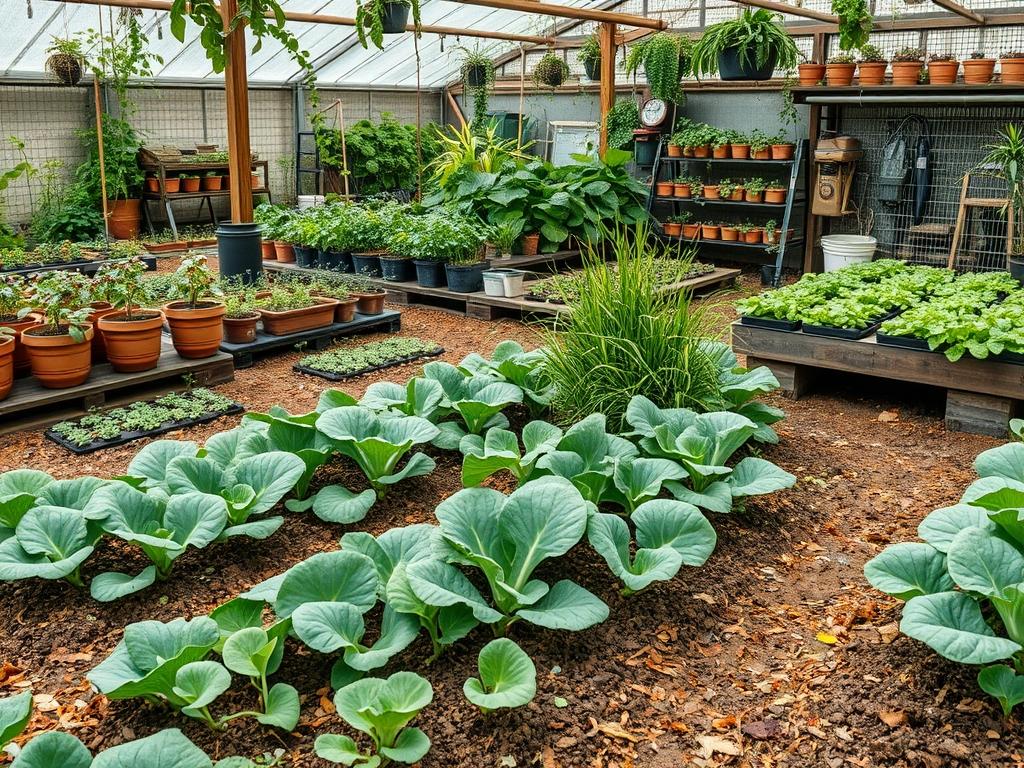
Integrating a seed-saving program into a residential or commercial landscape requires a sophisticated understanding of both spatial dynamics and botanical behavior. When the primary goal involves Saving Brassica Seeds, the landscape architect must pivot from purely aesthetic considerations to a functional design that accounts for genetic purity and long-term plant health. Brassicas, which include species like Broccoli (Brassica oleracea), Lacinato Kale, and Cabbage, present a unique challenge because they are largely biennial and highly prone to cross-pollination. From a design perspective, this means the garden must accommodate plants that will remain in the ground for two growing seasons, often reaching heights of 4 feet to 6 feet during their flowering stage. This necessitates a strategic approach to curb appeal, as the transition from tidy edible greens to tall, sprawling floral stalks can disrupt the visual harmony of a traditional backyard layout if not managed through clever screening and structural support.
The climate also plays a critical role in how we architect these environments. Brassicas require a period of vernalization, or cold exposure, to trigger the reproductive cycle. In regions with harsh winters, the landscape plan must include cold frames, cloches, or mulch layers of at least 4 inches to protect the root systems of the mother plants. Conversely, in warmer zones, drainage becomes the primary concern. Saturated soil during the winter months can lead to crown rot, destroying the seed crop before it reaches maturity. Professional landscape design solves this through elevation adjustments and the installation of French drains or permeable pavers that carry excess water away from the root zones. By treating the seed-saving garden as a permanent feature rather than a seasonal afterthought, we can create an outdoor space that is both productive and structurally sound.
Landscape Design Principles
Successful seed saving is rooted in the principle of isolation, which dictates the layout of the entire site. In a professional landscape, we utilize symmetry and focal points to mask the utilitarian nature of isolation equipment. For instance, rather than having a haphazard cluster of plants, we design raised garden beds in a mirrored arrangement, using cedar 4×4 posts to create permanent frameworks for isolation netting. This introduces a sense of architectural intent. Elevation layers are equally important; placing the seed-bearing plants on a secondary tier or a slight slope helps with air circulation, which is vital for preventing fungal issues during the flowering and pod-drying stages.
Walkways should be clearly defined using high-quality materials like decomposed granite or flagstone to prevent soil compaction near the plants. Compaction is the enemy of the Brassica root system, particularly when the plant is putting all its energy into seed production. Visual balance is achieved by surrounding the towering seed stalks with lower-profile perennial borders. We often use Boxwood (Buxus) or Lavender (Lavandula) as a structured “skirt” around the tall Brassicas. This creates a formal aesthetic that contains the somewhat wild appearance of the bolting vegetables, ensuring the landscape remains an asset to the property value during the entire two-year cycle.
Plant and Material Selection
The selection of materials and cultivars determines the durability of the landscape. For seed saving, we prioritize heirloom varieties that are stable. The following table outlines the requirements for common Brassica species within a managed landscape.
| Plant Type | Sun Exposure | Soil Needs | Water Demand | Growth Speed | Maintenance Level |
| :— | :— | :— | :— | :— | :— |
| Red Russian Kale | Full Sun | Loamy, pH 6.5 | 1.5 inches/week | Moderate | Medium |
| Early Jersey Wakefield Cabbage | Full Sun | High Nitrogen | 2 inches/week | Slow | High |
| Calabrese Broccoli | Full Sun | Well-drained | 1.5 inches/week | Moderate | Medium |
| Bok Choy (B. rapa) | Partial Shade | Rich Organic | 1 inch/week | Fast | Low |
| Mustard Greens | Full Sun | Any, non-compact | 1 inch/week | Very Fast | Low |
For the structural components, we recommend UV-stabilized 17-mesh netting for isolation cages. This material is fine enough to exclude small pollinators but allows for maximum light transmission. Structural supports should consist of 3/4-inch EMT conduit or galvanized steel hoops, which provide the rigidity needed to withstand summer storms while the seed pods are drying.
Implementation Strategy
The transition from a design concept to a functional backyard seed-saving nursery involves five critical phases. First, the site must be graded to ensure a 2 percent slope away from the primary structures. This prevents pooling and protects the foundation of nearby retaining walls. Once the grading is complete, we install edging made of powder-coated steel or composite timber to define the boundaries between the turf and the seed-production zones. This prevents invasive grass roots from competing with the heavy-feeding Brassicas.
Next, the irrigation system must be calibrated. Drip irrigation is the gold standard for Saving Brassica Seeds. We install 1/2-inch poly tubing with 0.5 GPH emitters placed directly at the base of each plant. This minimizes moisture on the foliage, which is essential because flowering Brassicas are susceptible to powdery mildew and alternaria. After the irrigation is tested, a layer of shredded hardwood mulch is applied at a depth of 3 inches to regulate soil temperature and suppress weeds.
Finally, the hardscaping elements are added. This includes the installation of trellis systems or staking anchors. Because a single Cabbage plant in full flower can be top-heavy, we use 6-foot hardwood stakes driven 18 inches into the ground. These are tied to the plants using soft garden twine to prevent stem breakage during high winds.
Common Landscaping Failures
The most frequent error in seed-saving landscapes is improper spacing, leading to root overcrowding. Brassicas intended for seed require significantly more space than those grown for food; a single Kale plant may need a 3-foot by 3-foot footprint to thrive in its second year. When plants are crowded, air stagnates, and the risk of pest infestation skyrockets. Another common failure is the use of overhead sprinklers. As the pods, or siliques, begin to dry, any excess moisture can cause the seeds to sprout prematurely inside the pod or trigger late-season rot.
Soil compaction is another silent killer. Heavy foot traffic during the maintenance phase compresses the soil pores, reducing oxygen availability to the roots. We mitigate this by designing “permanent access zones” using stepping stones or mulched paths that keep the gardener’s weight off the growing beds. Lastly, failure to consider “isolation distance” often leads to genetic crossing. If a homeowner is growing Broccoli and Brussels Sprouts for seed simultaneously within the same small lot, they will cross-pollinate, resulting in a hybrid that is often inedible. The landscape must be designed with physical barriers or staggered flowering times to prevent this outcome.
Seasonal Maintenance
Landscape management for seed saving is a year-round commitment. In the spring, the focus is on nutrient replenishment. We advocate for a 1-inch layer of finished compost worked into the topsoil, along with a balanced organic fertilizer. This provides the nitrogen boost needed for the rapid growth of the flowering stalk. During the summer, monitoring the irrigation clock is vital. As temperatures rise, the water demand of a bolting plant increases significantly. We also perform “rogueing,” which is the professional practice of removing any plants that do not meet the aesthetic or structural standards of the variety.
By autumn, the seed pods should be brown and brittle. At this stage, we reduce water significantly to encourage final drying. If the landscape is located in a rainy climate, we may install temporary poly-tunnels over the beds to keep the pods dry. In winter, the maintenance shifts to the soil. After the harvest, the stalks are removed, and the beds are planted with a cover crop like Winter Rye or Crimson Clover. This protects the topsoil from erosion and improves the soil structure for the next cycle of the master plan. Consistent record-keeping and soil testing every 12 months ensure that the landscape remains a high-yielding environment for generations.
Professional Landscaping FAQ
How do I prevent cross-pollination in a small backyard?
Use physical isolation such as fine mesh cages or tulle bags placed over the flower heads. Ensure the mesh size is under 1 millimeter to prevent insects from transferring pollen between different Brassica varieties.
What is the best way to support tall seed stalks?
Install 5-foot T-posts or sturdy bamboo stakes early in the season. Secure the primary stem using a loose “figure-eight” tie with flexible garden tape to allow for stem expansion while providing rigid vertical support.
Can I save seeds from hybrid nursery plants?
It is not recommended. Professional landscape architects suggest using Certified Organic Heirloom seeds. Hybrids (F1) will not “come true” to seed, meaning the next generation will likely produce unpredictable and inferior fruit or foliage.
How does soil pH affect seed quality?
Brassicas prefer a pH between 6.5 and 7.0. If the soil is too acidic, it limits the uptake of essential minerals like calcium, which is vital for developing strong cell walls in the seed pods and preventing clubroot.
How long can I store Brassica seeds after harvest?
When stored in a cool, dry, and dark environment, Brassica seeds remain viable for 4 to 6 years. Use glass jars with silica gel packets to maintain a low humidity level below 10 percent.