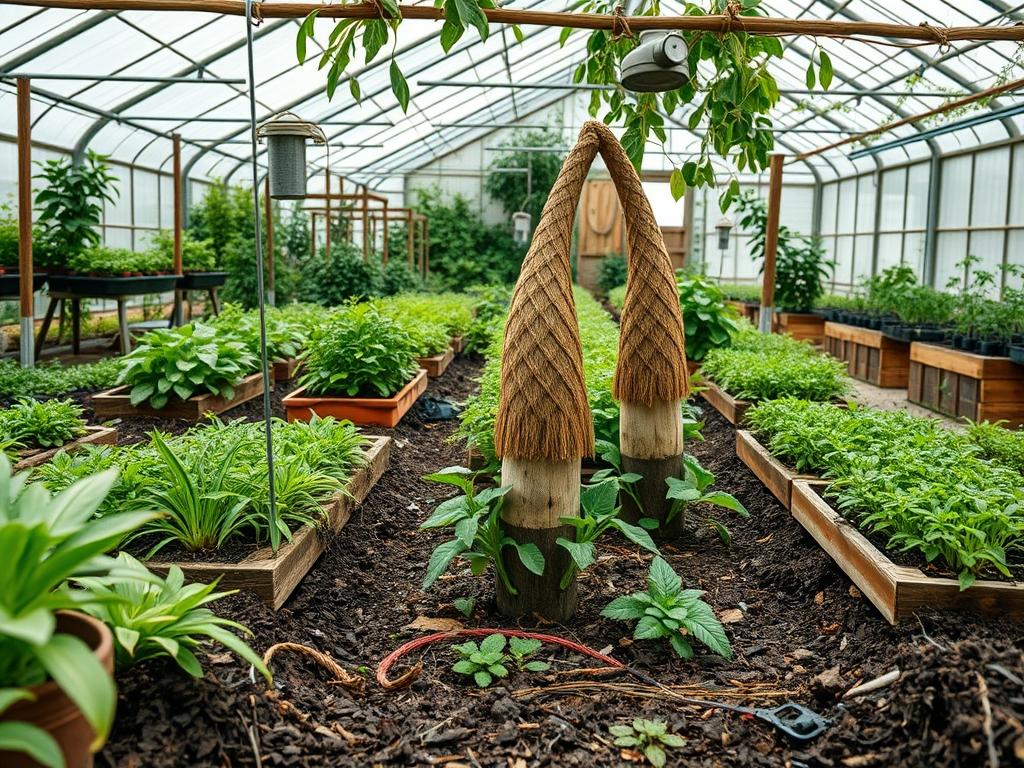
Integrating historical artifacts into a modern garden requires a sophisticated balance between aesthetic heritage and functional site management. Homeowners often struggle with creating a landscape that feels established rather than manufactured. Traditional bee skeps, which are coiled straw baskets used for centuries in apiculture, provide an immediate sense of “place” and history. In a contemporary landscape design, these structures solve the challenge of adding a unique focal point that offers textural contrast against soft foliage. While modern beekeeping has moved toward the movable-frame Langstroth hive for efficiency, the traditional skep remains a symbol of garden stewardship and ecological mindfulness. When planning where to place these items, a designer must consider the microclimate of the yard. Specifically, wind patterns and solar orientation affect both the durability of the straw material and the potential comfort of any local pollinators that might use the skep as a temporary shelter.
From a curb appeal perspective, incorporating these traditional elements signals a commitment to timeless design. They function beautifully within cottage gardens, parterres, or even as a rustic juxtaposition in a minimalist xeriscape. However, the designer must treat the skep not just as an ornament, but as a component of the overall outdoor living ecosystem. This involves analyzing how the skep interacts with nearby irrigation systems and ensuring that the placement does not interfere with high-traffic walkways or utility access. By elevating the skep on a stone pedestal or tucking it into a masonry bee bole, the landscape architect creates an intentional environment that manages moisture and prevents the organic materials from decaying prematurely.
Landscape Design Principles
Successful integration of traditional bee skeps relies on the principle of the focal point. Because of their unique conical shape and golden-brown hue, they naturally draw the eye. Designers should position them at the terminal point of a visual axis, such as the end of a gravel path or centered within a circular flower bed. Symmetry is equally important; a pair of skeps flanking a gateway or a formal bench can create a sense of classical order. To prevent the skep from looking “lost” in a large lawn, it should be anchored with layering. This means placing lower-growing perennials at the base, followed by mid-sized shrubs to provide a backdrop.
Elevation is another critical design factor. A skep sitting directly on the ground is prone to moisture rot and obscures the craftsmanship of the weave. Utilizing a heavy timber stand or a wrought iron tripod raises the feature to eye level, improving its visual impact and protecting it from soil-borne pathogens. This elevation also creates layers within the garden, allowing the architect to play with different heights and perspectives. Furthermore, site planning must account for the flight path of beneficial insects. Even if the skep is purely decorative, placing it near nectar-bearing plants ensures that it feels like a functional part of the habitat. Walkways leading to the skep should be constructed from porous materials like decomposed granite or irregular flagstone to maintain a naturalistic aesthetic while providing stable footing for maintenance.
Plant and Material Selection
The choice of surrounding vegetation determines whether the bee skep looks like a historical remnant or a misplaced prop. To support the “pollinator garden” theme, the plant palette should emphasize native species that bloom in succession throughout the year.
| Plant Type | Sun Exposure | Soil Needs | Water Demand | Growth Speed | Maintenance Level |
| :— | :— | :— | :— | :— | :— |
| Lavandula angustifolia | Full Sun | Well-drained, sandy | Low | Medium | Low (Prune annually) |
| Echinacea purpurea | Full to Partial | Lean to Loamy | Moderate | Fast | Low (Deadheading) |
| Salvia nemorosa | Full Sun | Well-drained | Moderate | Fast | Medium |
| Nepeta faassenii | Full to Partial | Average | Low to Moderate | Fast | Low |
| Monarda fistulosa | Full to Partial | Moist, rich | High | Fast | Medium |
| Buddleja davidii | Full Sun | Well-drained | Moderate | Extremely Fast | High (Hard pruning) |
In addition to plants, the material selection for the skep’s foundation is vital. Use crushed limestone for a base to discourage weed growth and provide excellent drainage. For the skep itself, high-quality rye straw or seagrass is preferred for longevity, often bound with split bramble or rattan.
Implementation Strategy
The installation process begins with site grading. The area designated for the bee skep must be slightly elevated or level to prevent water from pooling at the base. Start by removing the existing turf or debris and excavating a 6-inch deep area for the foundation. Fill this with 3 inches of compactable gravel, followed by a layer of landscape fabric to suppress weeds. Top the area with 2 inches of decorative mulch or pea gravel to provide a clean finished look.
Once the ground is prepared, install the hardscape support. If using a retaining wall alcove (a bee bole), ensure the stones are mortared correctly to provide a dry, recessed space. If using a standalone pedestal, use a leveling tool to ensure the surface is perfectly flat. This prevents the skep from leaning, which can look sloppy and lead to structural instability. For the surrounding garden beds, apply a 3-inch layer of organic cedar mulch to retain moisture for the plants while keeping the area around the skep’s base dry. Edging the bed with steel landscape edging or tumbled brick will define the space and prevent grass encroachment. Finally, plan the irrigation layout so that nozzle heads are directed away from the straw skep; direct water contact will cause rapid degradation of the organic fibers.
Common Landscaping Failures
The most frequent mistake in using traditional bee skeps is ignoring the reality of organic decomposition. Placing a straw skep in a high-humidity area or directly under the drip line of a roof will lead to mold within a single season. Designers must ensure that the skep is placed in a well-ventilated location where it can dry out after rainfall. Another common failure is improper spacing. If the surrounding plants are too aggressive, such as certain varieties of Mentha (mint) or Hedera helix (English Ivy), they will quickly swallow the skep, hiding the focal point and trapping moisture against the straw.
Soil compaction is another issue that developers face during the implementation phase. If the soil around the skep stand is compacted by heavy machinery, water will not drain, leading to a muddy “halo” around the feature. Always use a broadfork or tiller to loosen the soil in the planting beds before adding the decorative elements. Lastly, many homeowners fail to account for irrigation inefficiencies. Over-spraying from automated systems is the leading cause of “skep rot.” A drip irrigation system is far superior for these areas, as it delivers water directly to the roots of the Symphyotrichum or Salvia without ever wetting the straw structure.
Seasonal Maintenance
Landscape management for a garden featuring traditional skeps changes with the calendar. In the spring, inspect the skep for any signs of winter damage or pest infestation, such as rodents nesting in the straw. This is also the time to apply a slow-release organic fertilizer to the surrounding pollinator plants to encourage vigorous blooming. As summer arrives, the primary task is monitoring the water needs of the plants. During heat waves, the straw may become brittle; while tempting to mist it, it is better to leave it dry and ensure the base is clear of debris to allow air circulation.
Autumn requires the most significant preparation. If the skep is purely decorative and made of untreated straw, consider moving it to a covered porch or a dry shed for the winter months if you live in a region with heavy snow or high rainfall. If the skep remains outdoors, ensure it has a copper cap or a protective wooden hackle (a thatched rooflet) to shed water. In winter, maintenance turns to the perennial beds. Cut back dead stalks of Echinacea or Monarda, but consider leaving some for overwintering insects. Clear away any wet leaves that have piled up against the skep’s base to prevent cold-season rot.
Professional Landscaping FAQ
Can traditional bee skeps be used for active honey bees?
In many jurisdictions, using skeps for active colonies is illegal because the fixed combs cannot be inspected for disease. They are best used as decorative garden features or as shelters for solitary, non-honey-producing bees.
What is the best way to clean a straw skep?
Use a soft-bristled brush to gently remove dust, cobwebs, or dried mud. Never use a high-pressure hose or harsh chemicals, as these will break down the natural fibers and cause the straw to turn gray and brittle.
How long does a straw bee skep typically last?
A well-maintained skep kept in a dry, ventilated area can last 5 to 10 years. If left completely exposed to the elements without a pedestal or cover, its lifespan may decrease to only two or three seasons.
Should I treat my skep with a preservative?
While some use a light spray of linseed oil, it can darken the straw significantly. Most landscape architects recommend natural aging. Ensure the skep is placed on a stone or metal base to prevent moisture wicking from the soil.
Where is the best location for a bee skep?
Place it in a south-facing location that receives morning sun but is protected from the strongest afternoon winds. Positioning it near a water source, like a small birdbath, enhances its utility for local garden wildlife.