
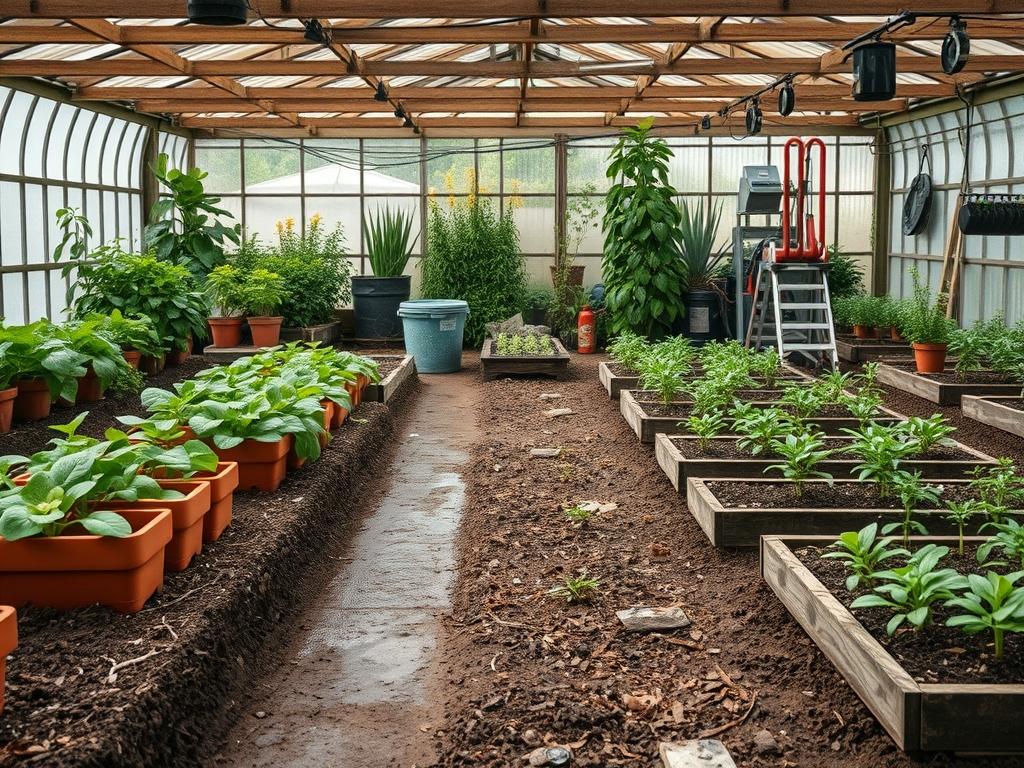
High-performance landscaping begins several feet below the finish grade, where the interplay of mineral density and microbial activity dictates the long-term success of every planting scheme. Most residential and commercial projects focus exclusively on the aesthetic layer of sod and ornamental shrubs, yet the true challenge for any landscape architect is ensuring the longevity of those assets against urban soil depletion and climate volatility. Using rock dust for soil health represents a sophisticated shift from reactive fertilization to proactive geological restoration. This process, often referred to as remineralization, involves incorporating finely ground silicate rocks into the substrate to replenish the trace elements that are stripped away by construction, erosion, and intensive gardening.
In modern outdoor environments, curb appeal is deeply tied to the vitality of the plant palette, which in turn relies on the structural and chemical integrity of the ground. When we design for functionality and beauty, we must account for the specific climate considerations of the region. Arid environments require soil that can maximize water retention, while temperate regions with heavy rainfall need a porous structure that prevents anaerobic conditions. Using rock dust for soil provides a steady release of essential minerals like calcium, magnesium, and potassium, alongside rare micronutrients that act as catalysts for plant metabolism. This creates a resilient landscape that maintains its lush appearance even during seasonal stress, reducing the need for costly replacements and intensive chemical inputs.
Landscape Design Principles
A successful landscape design is grounded in the strategic application of symmetry and visual balance, which guide the eye through the outdoor room. Focal points, such as a signature specimen tree or a sculptural stone installation, serve as the anchor for the entire composition. To achieve a professional finish, we must consider elevation layers. High-profile designs often utilize tiered planting beds and retaining walls to create depth and interest. These elevated areas are particularly susceptible to nutrient leaching, making the integration of mineral additives essential for maintaining the vigor of the vegetation perched at the highest points.
Irrigation planning must be integrated with the topography from the outset. Water movement across the site should be choreographed to prevent pooling near foundations while ensuring that deep-rooted species receive adequate moisture. Walkways and hardscaping elements like pavers and crushed granite paths provide the necessary framework for human traffic, but they also create microclimates. The thermal mass of stone can heat the surrounding soil, accelerating evaporation. By using rock dust for soil in these areas, architects can improve the cation exchange capacity of the dirt, which helps the plants thrive despite the radiant heat from nearby walkways.
Visual balance is not just about the horizontal plane; it is about the vertical hierarchy of the garden. We utilize the rule of thirds to place architectural elements and large plants in a way that feels organic yet intentional. When the soil is properly mineralized, the growth cycles of these plants become more predictable. This allows the landscape architect to maintain the intended proportions of the design without the sporadic, leggy growth often caused by high-nitrogen synthetic fertilizers. The result is a landscape that feels established and permanent, characterized by thick stems, vibrant leaf color, and robust flowering.
Plant and Material Selection
| Plant Type | Sun Exposure | Soil Needs | Water Demand | Growth Speed | Maintenance Level |
| :— | :— | :— | :— | :— | :— |
| Japanese Maple | Partial Sun | Loamy/Mineral Rich | Moderate | Slow | Low |
| English Lavender | Full Sun | Well-drained/Sandy | Low | Moderate | Medium |
| Switchgrass | Full Sun | Variable/Clay | Low | Fast | Low |
| Boxwood | Sun to Shade | Neutral pH/Rich | Moderate | Slow | Medium |
| Oakleaf Hydrangea | Partial Shade | Moist/Organic | High | Moderate | Medium |
Implementation Strategy
The transition from a blueprint to a thriving garden requires a methodical implementation strategy. We begin with grading, which is the process of sculpting the land to ensure proper runoff and physical stability. During this phase, the rototiller is used to incorporate rock dust at a rate of approximately 10 pounds per 100 square feet. This ensures the minerals are distributed throughout the root zone rather than sitting on the surface. We then install the primary drainage systems, including French drains and perforated pipes, to manage heavy rainfall events.
Once the skeleton of the landscape is in place, we focus on edging and hardscaping. Edging creates a clean transition between lawn areas and planting beds, preventing the migration of roots and mulch. We recommend a 4 inch deep layer of organic mulch to protect the soil surface, but this should be applied only after the rock dust has been integrated. The minerals in the dust, such as basalt or glacial stone, help to stabilize the pH levels of the soil as the mulch decomposes. For large scale backyard planning, we often specify a combination of boulders and smaller river rock to provide textural contrast and to help anchor the transition between different elevation levels.
The final stage of implementation involves the precise placement of the plant palette. Each specimen is installed in a hole twice the width of its root ball. We often mix a concentrated amount of rock dust into the backfill soil to provide an immediate reservoir of nutrients for the establishing roots. This strategy minimizes transplant shock and encourages the development of a dense, fibrous root system that can better withstand drought and pests.
Common Landscaping Failures
The most frequent failure in high-end landscaping is neglecting the physical structure of the earth. Soil compaction is a silent killer of expensive plant material. When heavy machinery is used during construction without subsequent aeration, the soil particles are packed so tightly that air and water cannot reach the roots. Using rock dust for soil can actually help mitigate this over time; the fine particles encourage the formation of healthy soil crumbs, or aggregates, which improve porosity.
Drainage mistakes often lead to root rot and the death of sensitive species like Azaleas or Boxwoods. If a site is not graded with a minimum 2 percent slope away from the house, water will collect in “bathtub” pockets. Furthermore, root overcrowding occurs when designers do not account for the mature width of a plant. A shrub that looks perfect in a 3 gallon pot may reach a 10 foot spread within five years, causing it to compete with its neighbors for both light and soil minerals. Finally, irrigation inefficiencies, such as overwatering clay soils or underwatering sandy ones, can be corrected by improving the soil’s ability to hold and release moisture through proper mineral balancing.
Seasonal Maintenance
Landscape management is a year-round commitment that changes with the cycles of the environment. In the spring, the focus is on revitalization. This is the ideal time for a top-dressing of rock dust and compost. We use a broadcast spreader to apply minerals across turf areas to strengthen the grass as it exits dormancy. This is also when we prune any winter damage and check the irrigation heads for blockages.
Summer maintenance is centered on moisture retention and heat management. We monitor the soil moisture meters to ensure deep penetration of water. In autumn, the goal shifts to restoration. We leave leaf litter in some areas to decompose, as the minerals from the rock dust help accelerate this natural recycling process. This is also the window for planting new trees and shrubs, giving them time to establish roots before the ground freezes. During winter, we focus on the structural elements. We inspect retaining walls for shifting and plan for the next year’s additions. The slow release nature of rock dust means it continues to work through the cold months, preparing the soil chemistry for the next spring surge.
Professional Landscaping FAQ
What are the primary benefits of using rock dust for soil?
Rock dust provides a slow release source of trace minerals and micronutrients. It improves soil structure, enhances microbial activity, and strengthens plant cell walls, making them more resistant to pests and extreme weather conditions over the long term.
How often should I apply rock dust to my garden?
For established landscapes, a significant application every 3 to 5 years is usually sufficient. However, in gardens with high-intensity seasonal plantings, a light annual top-dressing helps maintain the mineral balance and supports continuous bloom production.
Can rock dust replace standard NPK fertilizers?
While rock dust provides essential minerals, it is not a direct replacement for nitrogen. It works best in conjunction with organic matter to create a holistic fertility program that addresses both the mineral and biological needs of the landscape.
Is rock dust safe for all types of plants?
Yes, rock dust is generally pH neutral or slightly alkaline, making it safe for most species. It is particularly beneficial for fruit trees, vegetables, and ornamental shrubs that require a broad spectrum of minerals for optimal health and flowering.
What is the best way to apply rock dust to an existing lawn?
Apply the dust using a drop spreader after core aeration. This allows the fine particles to enter the root zone directly. Watering the lawn immediately after application helps wash the dust off the grass blades and into the soil.