Transitioning from standard seasonal gardening to the technical pursuit of Saving Rare Carrot Strains requires a fundamental shift in how we approach the blueprint of the outdoor environment. It is not merely a task of sowing seeds and harvesting roots in eighty days; instead, it involves a rigorous biennial schedule that demands specific spatial planning and landscape engineering. When you commit to a two-year cycle, you are essentially dedicating premium real estate in your landscape to a plant that will change its physical form and function over twenty-four months. This creates a unique challenge for curb appeal and site functionality. The first year provides low growing, lacy foliage while the second year introduces tall, structural flower stalks that can reach five feet in height. Balancing these varying heights within a residential or commercial garden design requires an architect’s eye for layering and transition.
Climate considerations are paramount when preserving rare genetics. Carrots are cool weather crops, yet they must survive the winter to produce seeds in their second year. This necessitates a landscape design that accounts for vernalization, the process where a plant is exposed to the cold of winter to trigger flowering. In northern climates, this might involve heavy mulching with straw or wood chips, while in southern zones, it requires managing heat and soil moisture to prevent rot. From a curb appeal perspective, a garden dedicated to seed saving must look intentional. It cannot look like an abandoned vegetable patch. We achieve this by integrating the carrot beds into a broader landscape of perennial borders and hardscaped walkways, ensuring that even when the carrot stalks are drying and turning brown as the seeds mature, the surrounding environment remains polished and structured.
Landscape Design Principles
In professional landscape architecture, we prioritize symmetry and focal points to guide the eye through the space. When the primary goal is Saving Rare Carrot Strains, the focal point shifts seasonally. During the first year, the focus is on the lush, emerald green textures of the foliage. We often use boxed hedges or tumbled stone edging to define these areas, providing a formal frame for the productive zones. Symmetry is maintained by mirroring these beds across a central axis, perhaps a crushed granite path or a flagstone walkway, which allows for easy access without compacting the delicate soil structure necessary for root development.
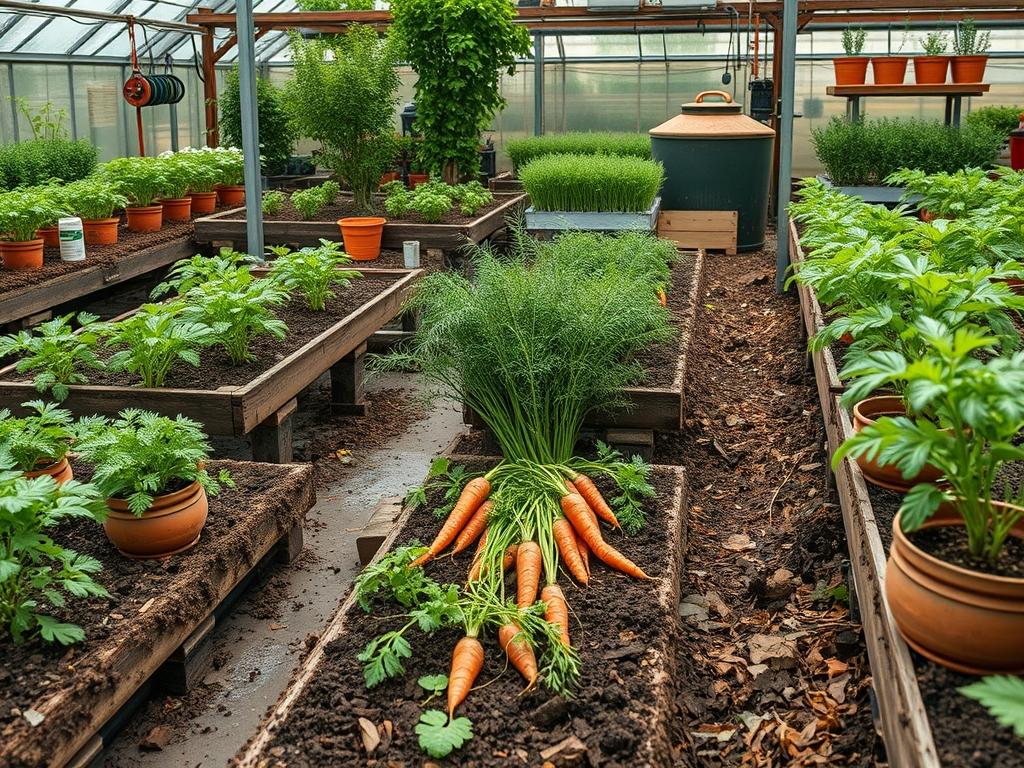
Elevation layers are critical for both drainage and visual interest. Because carrots require deep, friable soil to prevent forking, we often utilize raised beds constructed from cedar or stepped limestone blocks. Elevating the growing area provides a natural hierarchy in the landscape. It allows shorter ornamental plants to sit at the base, creating a tiered effect that moves the viewer’s eye upward. Irrigation planning is the backbone of this design. We implement a hidden drip irrigation system with pressure-regulating emitters to ensure deep, consistent moisture. Overhead watering is avoided to prevent the spread of fungal diseases on the delicate umbels in the second year. This technological integration ensures that the landscape remains functional while maintaining a clean, high end aesthetic.
Plant and Material Selection
| Plant Type | Sun Exposure | Soil Needs | Water Demand | Growth Speed | Maintenance Level |
| :— | :— | :— | :— | :— | :— |
| Daucus carota (Rare Strains) | Full Sun | Sandy Loam, pH 6.0-6.8 | Moderate / Consistent | Slow (Biennial) | High |
| French Marigolds (Companion) | Full Sun | Well-Drained | Low | Fast | Low |
| Alliums (Structural) | Full Sun | Loamy | Moderate | Moderate | Low |
| Creeping Thyme (Groundcover) | Full / Partial | Rocky / Sandy | Low | Moderate | Very Low |
| Structural Boxwood | Full / Partial | Rich / Well-Drained | Moderate | Slow | Medium |
Implementation Strategy
The successful implementation of a landscape geared toward seed preservation begins with precise site grading. We start by ensuring a 2 percent slope away from any permanent structures to prevent water from pooling near the carrot beds. Once the grade is established, we map out the hardscaping. Using a transit level, we mark the heights for retaining walls or raised garden sleepers. These structures provide the depth needed for rare carrots, which often require at least 12 inches of loose, unobstructed soil medium. We recommend a custom blend of compost, coarse sand, and topsoil to achieve the perfect balance of drainage and nutrient retention.
Edging is the next step in establishing a professional finish. We utilize a half-moon edger or a mechanical trencher to create clean lines between the turf and the growing zones. For long term stability, we install steel edging or poured concrete curbs. Once the beds are prepped, we lay down a 3-inch layer of organic mulch, leaving a small gap around the carrot crowns to prevent crown rot. Drainage is further managed by installing French drains or catch basins in low spots of the yard, ensuring that heavy rains do not drown the roots during their critical first year of growth. This infrastructure ensures the rare strains stay healthy through the winter dormant period.
Common Landscaping Failures
The most frequent error in specialized garden planning is poor drainage. If the soil is too heavy with clay, the carrot roots will rot before they ever reach their second year. This is often caused by a lack of soil amendments or improper site grading that allows water to sit stagnant. Another common failure is root overcrowding. While it is tempting to plant densely for a lush look, Saving Rare Carrot Strains requires thinning to at least 3 inches between plants. Without this space, the roots do not reach the size necessary to store the energy required for the second-year flowering stage.
Cross-pollination is a significant risk that amateur planners often overlook. Carrots are pollinated by insects and can easily cross with wild Queen Anne’s Lace or other carrot varieties within a half-mile radius. In a residential landscape, this means the architect must plan for isolation cages or fine mesh row covers during the second-year blooming phase. If these tools are not integrated into the design, the purity of the rare strain is lost. Finally, soil compaction from foot traffic can ruin a carrot crop. Designing the garden with permanent walkways ensures that no one ever steps on the growing medium, preserving the delicate soil pore space required for gas exchange and root expansion.
Seasonal Maintenance
Spring maintenance begins with a soil test to check for nutrient depletion. We use a broadfork to aerate the soil in new beds without flipping the layers, which preserves the microbial life. For the second-year carrots, we carefully remove any protective winter mulch as the soil warms, being careful not to damage the emerging green shoots. This is also the time to check the irrigation timers and flush the lines to ensure no clogs occurred during the winter freeze.
Summer is focused on moisture management and pest monitoring. We keep a close eye on aphids and carrot rust flies, using yellow sticky traps and neem oil if necessary. In the second year, the tall flower stalks must be staked with bamboo poles or velcro ties to prevent them from toppling in high winds. As autumn approaches, first-year carrots should be heavily mulched with shredded leaves or straw to insulate them from the coming frost. If you are in a zone with extreme freezing, you may need to dig the roots and store them in damp sand in a basement, replanting them in early spring. Winter is the time for planning and tool maintenance. We sharpen our pruning shears, clean our shovels, and review the maps of the garden to prepare for the inevitable crop rotation that keeps the soil healthy for the next cycle.
Professional Landscaping FAQ
How deep should my raised beds be for rare carrots?
For most rare strains, a minimum depth of 12 to 18 inches is required. This allows for straight root development and provides enough space for a specialized sandy loam mixture that ensures optimal drainage and nutrient access.
Can I grow two different rare strains at the same time?
Only if you use isolation cages or blossom bags. Carrots cross-pollinate easily via wind and insects. To keep strains pure, you must physically prevent bees from traveling between different varieties during the second-year flowering stage.
What is the best mulch for winter protection?
We recommend using clean wheat straw or pine needles at a depth of 4 to 6 inches. These materials provide excellent insulation while allowing for airflow, which prevents the crowns from rotting during damp winter thaws.
How do I handle the tall stalks in a high-wind area?
Install rebar stakes or heavy duty garden pylons early in the second spring. Secure the stalks using soft garden twine in a figure-eight pattern. This allows the plant to move slightly without snapping under the weight of the seed heads.
Why are my carrots branching instead of growing straight?
This is usually caused by soil compaction or high levels of fresh manure. Ensure the soil is sifted and free of rocks. Use well-composted organic matter instead of fresh fertilizers to keep the root path clear and easy to navigate.