
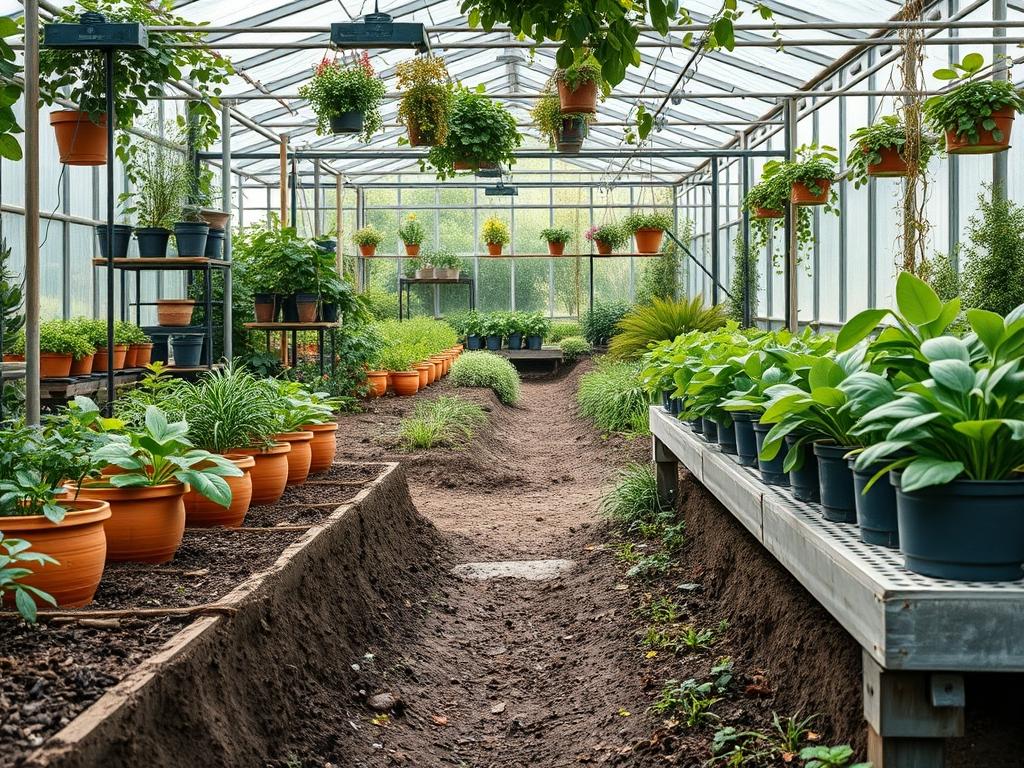
Integrating fruit trees into a professional landscape design demands a sophisticated understanding of both aesthetic balance and long term tree health. Homeowners and commercial clients often seek the lush, productive beauty of an orchard, yet they frequently struggle with the maintenance required to keep these trees as vibrant focal points rather than sickly eyesores. One of the most significant hurdles in this endeavor is the management of scale insects. These small, immobile pests can quickly colonize branches and foliage, leading to leaf yellowing, branch dieback, and a messy coating of honeydew that encourages sooty mold. Implementing Natural Scale Management within the broader context of your landscape architecture ensures that your outdoor environment remains functional, healthy, and visually stunning. This approach prioritizes environmental harmony and biological controls over heavy chemical intervention, which is essential for any garden intended for outdoor living or food production. By considering climate factors and the specific microclimates of a property, a designer can create a resilient system where fruit trees thrive as structural anchors in the garden.
Landscape Design Principles
In the realm of high end landscaping, fruit trees serve as essential structural elements that provide both height and seasonal interest. Achieving visual balance requires careful placement according to principles of symmetry and elevation. When designing an orchard or integrating a single specimen like a Meyer Lemon or an Apple Tree, you must consider the canopy’s ultimate spread and height to ensure the focal point remains proportionate to the surrounding home or hardscaping. Strategic elevation is particularly important in Natural Scale Management. Planting trees on slightly raised mounds or utilizing Retaining Walls can improve air circulation around the lower canopy. Stagnant air is a primary contributor to scale infestations, as these pests thrive in humid, protected environments. By elevating the trunk and main scaffold branches, you allow wind to penetrate the canopy more effectively, which naturally desiccates scale crawlers and makes the environment less hospitable for their survival.
Irrigation planning is another pillar of professional garden design that impacts pest populations. A common mistake in residential landscapes is the use of overhead sprinklers that dampen tree foliage. To support Natural Scale Management, a professional designer will implement a Drip Irrigation system or In Line Emitters that deliver water directly to the root zone while keeping the trunk and leaves dry. This targeted approach reduces the moisture levels in the canopy that scale insects prefer. Furthermore, the layout of walkways and access points should provide at least 3 to 5 feet of clearance around the tree. This not only allows for easy harvesting but also ensures that maintenance crews can access all sides of the tree for pruning and monitoring, which are critical steps in identifying scale outbreaks before they become unmanageable.
Plant and Material Selection
| Plant Type | Sun Exposure | Soil Needs | Water Demand | Growth Speed | Maintenance Level |
| :— | :— | :— | :— | :— | :— |
| Meyer Lemon | Full Sun | Well Draining | Moderate | Medium | High |
| Fuji Apple | Full Sun | Loamy/Rich | Moderate | Fast | Medium |
| Santa Rosa Plum | Full Sun | Deep/Sandy | Low to Moderate | Fast | Medium |
| Yarrow | Full Sun | Lean/Dry | Low | Fast | Low |
| Sweet Alyssum | Sun / Part Shade | Average | Moderate | Fast | Low |
| Dill | Full Sun | Moist/Rich | Moderate | Fast | Low |
Selecting the right plant species is the first line of defense in Natural Scale Management. While the fruit trees themselves are the primary interest, companion planting is a vital landscape strategy. Plants like Yarrow and Sweet Alyssum attract beneficial insects such as lacewings and parasitic wasps, which are the natural predators of scale. When designing the garden beds beneath your fruit trees, integrate these species to create a self regulating ecosystem. Additionally, choose mulch materials that support soil health without harboring pests. Arborist Wood Chips or Cedar Bark are excellent choices because they decompose slowly and provide a stable environment for soil microbes, unlike finer mulches that can mat down and prevent soil aeration.
Implementation Strategy
The successful layout of a fruit bearing landscape begins with proper grading and drainage. Before any trees are placed, the site must be surveyed to ensure that water moves away from the trunks. If the site has heavy clay soil, a French Drain or subsurface drainage system might be necessary to prevent root stress, as stressed trees are significantly more susceptible to scale. Once the grading is complete, the planting holes should be dug twice as wide as the root ball but no deeper. This encourages lateral root growth, which provides the tree with the stability it needs to reach its full aesthetic potential.
Edging materials such as Steel Edging or Paver Borders should be installed to define the orchard area and prevent turf grass from competing with the trees for nutrients. Turf is a common source of high nitrogen runoff, which can lead to rapid, succulent growth in fruit trees that scale insects find particularly attractive. After planting, apply a layer of Mulch at a depth of 2 to 4 inches, ensuring that it is kept at least 6 inches away from the base of the trunk. This prevents bark rot and removes a bridge for ants, which often protect scale insects from their natural predators in exchange for honeydew. Hardscaping elements like Decomposed Granite paths can also be used to create clean lines and reduce the overall humidity levels in the orchard area.
Common Landscaping Failures
One of the most frequent failures in managing fruit trees within a landscape is root overcrowding and improper spacing. When trees are planted too close together, their canopies overlap, creating a continuous bridge for pests like scale to travel from one plant to another. This lack of spacing also creates a shaded, humid interior canopy where sunlight cannot reach, further encouraging scale reproduction. Professionals must insist on spacing that accounts for the mature width of the tree, even if it looks sparse during the initial installation phase.
Soil compaction is another silent killer in many residential gardens. High foot traffic or heavy machinery during construction can compress the soil, starving roots of oxygen and hindering the tree’s ability to defend itself naturally. A tree under drought or oxygen stress will emit chemical distress signals that essentially invite pests like scale to attack. Similarly, irrigation inefficiencies, such as overwatering or leaking Risers, create a soggy environment that weakens the tree’s vascular system. Ensuring that your Irrigation Controller is properly programmed for seasonal changes is a vital part of Natural Scale Management, as it prevents the fluctuations in tree vigor that scale insects exploit.
Seasonal Maintenance
Landscape management is a year round commitment, especially when fruit trees are involved. In the spring, the focus should be on monitoring and the release of beneficial insects. As temperatures rise, scale crawlers emerge from their protective coverings. This is the only time they are mobile and vulnerable. Applying Neem Oil during this window can be highly effective. In the summer, maintenance involves mechanical removal and canopy thinning. Using sharp Pruning Shears, remove any heavily infested water sprouts or crowded interior branches to increase light penetration.
Autumn is the season for sanitation. Remove any fallen fruit or debris from the base of the trees, as these can harbor overwintering pests and fungi. This is also the time to refresh the Mulch layer and ensure that Retaining Walls and drainage channels are clear of obstructions. Finally, winter is the most critical period for Natural Scale Management. When the trees are dormant, applying a Horticultural Oil spray is essential. This oil coats any remaining scale insects and suffocates them before they can reproduce in the spring. This winter treatment is the cornerstone of a professional maintenance plan, significantly reducing the need for interventions during the growing season.
Professional Landscaping FAQ
What is the best way to handle ants near fruit trees?
Ants protect scale from predators to harvest honeydew. Use Sticky Barriers or Tanglefoot around the trunk to prevent ants from climbing. This allows natural predators like ladybugs to access and consume the scale insects without interference.
How does mulch depth affect pest populations?
A depth of 2 to 4 inches is ideal. Any deeper can trap excessive moisture against the trunk, inviting rot and providing a humid environment for scale. Keep mulch away from the root flare to maintain proper gas exchange for the roots.
Can I use native plants to help manage scale?
Yes, incorporating Native Plants like Milkweed or Goldenrod attracts a wide variety of predatory insects. These local species are adapted to your climate and provide a permanent habitat for the bugs that keep scale populations in check naturally.
Why is drainage so important for fruit tree health?
Poor drainage leads to root rot and tree stress. A stressed tree has fewer resources to produce natural sap defenses, making it an easy target for scale. Installing French Drains ensures the root zone remains oxygenated and resilient.
When should I prune my fruit trees for best results?
Structural pruning should occur in late winter while the tree is dormant. This allows for clear visibility of the branch structure. Summer pruning should be limited to removing water sprouts and thinning the canopy to improve airflow and light.