
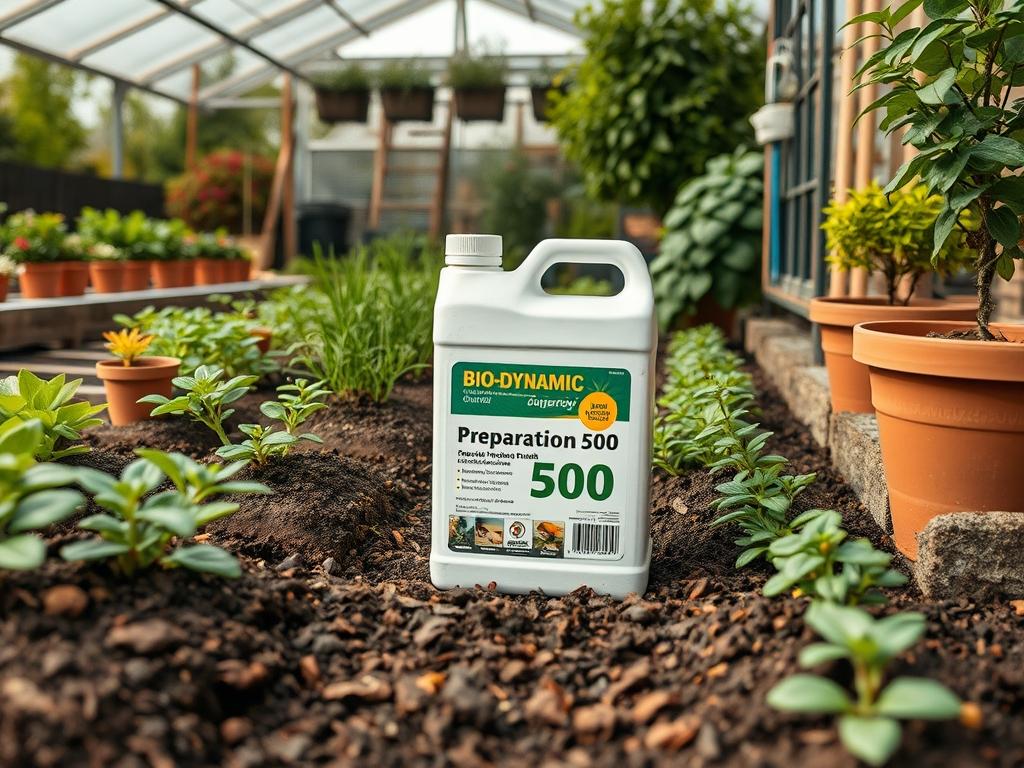
Modern landscape architecture often fixates on the immediate visual gratification of a finished site, focusing on the geometric precision of hardscaping or the vibrant hues of newly installed perennials. However, the long-term success of any outdoor environment depends entirely on the biological vitality of the soil substrate. A landscape that appears beautiful in its first season can quickly decline if the soil remains an inert medium rather than a living ecosystem. This is where the intersection of traditional horticulture and advanced soil science becomes critical. Bio-Dynamic Preparation 500, commonly known as horn manure, serves as a powerful catalyst to bridge the gap between structural design and environmental longevity. By understanding the science and spirit of this preparation, landscape consultants can offer clients a property that does not just look healthy but possesses an intrinsic resilience against climate fluctuations and pest pressure.
The challenge for the modern outdoor consultant lies in microclimate management. Urban and suburban lots often suffer from extreme soil compaction and a lack of microbial diversity due to previous construction activity. Conventional landscape practices rely heavily on synthetic fertilizers that provide a temporary boost to plant growth but ultimately degrade the soil structure. Bio-Dynamic Preparation 500 offers a different trajectory. It is created by placing high quality cow manure into a bovine horn and burying it in the earth during the winter months. During this period, the preparation undergoes a transformative fermentation process that concentrates microbial life and humic substances. When applied to a site, this preparation stimulates root development and enhances the soil’s ability to retain moisture, which is essential for maintaining curb appeal in drought prone regions.
Landscape Design Principles
A successful landscape design requires more than just a pleasing aesthetic; it demands a functional roadmap that respects the natural topography of the land. Symmetry and focal points act as the visual anchors of a property. For instance, a central fountain or a specimen Japanese Maple can draw the eye and provide a sense of order. However, these focal points must be supported by appropriate elevation layers. By using retaining walls or gentle berms, a designer can create depth and movement within a flat lot. These elevation changes also serve a practical purpose by directing water flow and preventing stagnation in areas where delicate root systems reside.
Irrigation planning is another pillar of professional design. While automatic systems are convenient, they must be calibrated to the specific needs of different zones. Integrating Bio-Dynamic Preparation 500 into the maintenance schedule can actually reduce total water demand over time. As the preparation promotes deep rooting, plants become better equipped to access subsoil moisture. Walkways should be designed to follow the natural flow of human traffic, using materials like flagstone or decomposed granite to maintain permeability. This ensures that the soil underneath remains oxygenated, supporting the aerobic processes that Bio-Dynamic Preparation 500 is designed to stimulate. Visual balance is finally achieved when the hardscape and softscape work in harmony, with the subsurface health providing the vigor necessary to sustain lush, architectural foliage throughout the growing season.
Plant and Material Selection
Selecting the right plant palette is a strategic decision that affects the maintenance requirements and overall success of the landscape. The following table provides a guide for choosing species that respond well to the soil enhancement provided by Bio-Dynamic Preparation 500.
| Plant Type | Sun Exposure | Soil Needs | Water Demand | Growth Speed | Maintenance Level |
| :— | :— | :— | :— | :— | :— |
| Boxwood Shrub | Full Sun to Part Shade | Well-drained, Loamy | Moderate | Slow | Medium |
| Lavender | Full Sun | Sandy, Calcareous | Low | Medium | High (Pruning) |
| White Oak | Full Sun | Deep, Rich, Acidic | Moderate | Slow to Medium | Low |
| Creeping Thyme | Full Sun | Well-drained, Poor | Low | Fast | Low |
| Ornamental Grass | Full Sun | Tolerant, Neutral | Low | Fast | Very Low |
| Hydrangea | Part Shade | Moist, Rich | High | Medium | Medium |
When selecting materials for the landscape, the focus should always be on sustainability and durability. Cedar mulch is an excellent choice for moisture retention and weed suppression. For hardscaping, using natural stone rather than pre-cast concrete blocks can provide a more timeless feel while allowing for better integration with the surrounding soil biology.
Implementation Strategy
The implementation of a professional garden layout begins with precise site preparation. Before any plants go into the ground, the property must be graded to ensure that water moves away from the foundation of the home. Grading also involves breaking up any existing soil compaction that may have occurred during the building process. Once the land is shaped, the installation of edging materials helps to define the borders between turf, garden beds, and walkways.
After the structural elements are in place, the application of Bio-Dynamic Preparation 500 can begin. This process is known as dynamization. A small amount of the concentrated preparation, usually around 35 grams per acre, is added to a specific volume of warm, high quality water. This mixture must be stirred vigorously for exactly one hour. The stirring starts in one direction until a deep vortex is formed, then the direction is suddenly reversed to create chaos in the water. This rhythmical movement is said to imbue the water with the energetic qualities of the preparation.
Once the stirring is complete, the liquid is sprayed onto the soil in large droplets. This is not a foliar spray; the goal is to reach the earth directly. The timing of this application is crucial. It is best performed in the late afternoon or early evening when the sun is low and the earth is “breathing in.” By applying this preparation during the initial planting phase, you provide the new root systems with an immediate biological boost. Finally, a 2 to 3 inch layer of organic mulch should be applied to protect the newly treated soil from extreme temperatures and moisture loss.
Common Landscaping Failures
The most frequent mistake in landscape management is the failure to address drainage. When water pools around the base of a plant, it drowns the roots and creates an anaerobic environment that fosters harmful pathogens. This negate the benefits of any organic soil amendments. Another common error is root overcrowding. Designers often place plants too close together to achieve an instant “full” look, but as the specimens mature, they compete for light, water, and nutrients, leading to stunted growth and disease.
Improper spacing is often paired with soil compaction. When heavy machinery or frequent foot traffic compresses the soil, the pore spaces that hold air and water are crushed. Bio-Dynamic Preparation 500 is specifically designed to combat this by encouraging the formation of stable soil crumbs, but it cannot overcome the damage of constant heavy compaction. Furthermore, irrigation inefficiencies, such as over-watering or using high-salt synthetic fertilizers, can kill the very microbial life that bio-dynamic preparations are intended to cultivate. A landscape built on chemicals is a fragile one, requiring ever-increasing inputs to survive.
Seasonal Maintenance
Maintenance should be viewed as a seasonal dialogue with the environment. In the spring, the focus is on awakening the garden. This is the primary time for a second application of Bio-Dynamic Preparation 500 to stimulate new root growth as the soil warms. Pruning of winter damaged branches and the application of a fresh layer of compost will set the stage for the coming months. Summer management focuses on water conservation and pest monitoring. Deep, infrequent watering is preferred over light daily misting to encourage roots to dive deeper into the cool subsoil.
Autumn is the season for preparation and storage. As plants move their energy toward the roots, another application of Preparation 500 can help the soil capture the vital forces of the decaying organic matter. This is also the time to plant spring bulbs and add organic matter to the soil surface. During the winter, the landscape consultant should focus on structural integrity. Checking retaining walls for frost heave and protecting sensitive species from heavy snow loads are the priorities. The winter is also when the spirit of the garden rests, allowing the biological processes deep underground to prepare for the annual cycle to begin anew.
Professional Landscaping FAQ
How often should I apply Bio-Dynamic Preparation 500?
For most residential landscapes, a professional application twice per year is ideal. The first application should occur in the spring as life returns to the soil, and the second should be done in the autumn during the transition to dormancy.
Can I use Preparation 500 with automatic irrigation?
It is not recommended to run the preparation through an irrigation system. The high pressure and lack of manual dynamization can degrade the biological quality. Use a manual sprayer or a brush to flick large droplets onto the soil surface directly.
Does this preparation replace standard compost?
No, it acts as a catalyst rather than a bulk fertilizer. While compost provides the physical organic matter, Bio-Dynamic Preparation 500 provides the biological “spark” that helps the soil process that organic matter into stable, nutrient rich humus for the plants.
Is it safe for pets and children?
Yes, Bio-Dynamic Preparation 500 is entirely non-toxic and organic. Because it consists of fermented cow manure and water, there are no chemical residues or harmful vapors, making it perfectly safe for use on lawns and in high-traffic family play areas.
How long does it take to see results?
While some improvement in plant vigor can be seen within a single season, the true benefits of Bio-Dynamic Preparation 500 are cumulative. Over two to three years, you will notice significantly improved soil structure, better drainage, and increased drought resistance.