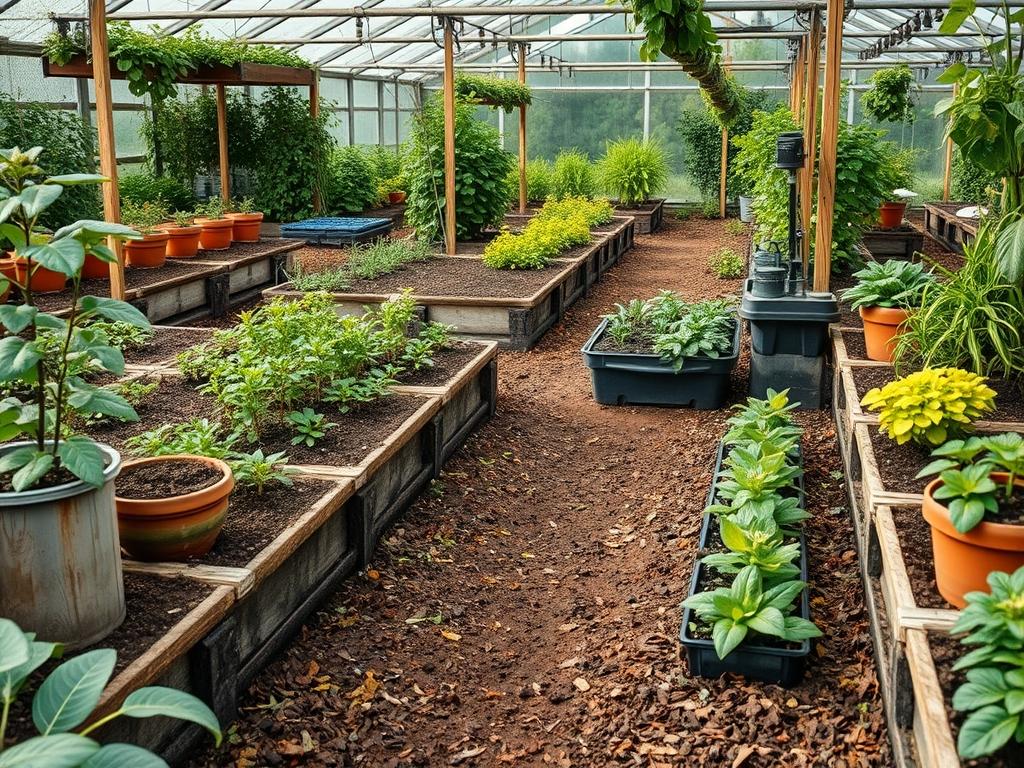
Modern landscaping requires a shift from purely ornamental layouts to functional, living ecosystems that support the broader environment. When homeowners seek to integrate Ancestral Bee Management into their property, the design challenge shifts from maximizing harvest to optimizing the health of more than just the flora. Curb appeal remains a primary driver for investment, yet the successful consultant must balance visual impact with the biological requirements of local pollinators. This approach demands careful climate consideration, as the local microclimate dictates which species will thrive without excessive chemical intervention. A garden designed with these goals in mind increases property value while creating a resilient outdoor space that functions autonomously. Integrating these elements requires a deep understanding of soil health, water management, and the cyclical nature of the local environment. By prioritizing the vitality of the landscape over immediate yield, we ensure long term sustainability.
The functionality of an outdoor space depends on its ability to provide comfort for its human inhabitants while serving as a sanctuary for wildlife. This is where the principles of Ancestral Bee Management intersect with traditional landscape architecture. Instead of treating bees as a commodity for honey, we treat them as essential workers within the garden ecosystem. This means providing adequate water sources, diverse floral resources, and nesting sites that are protected from the wind and heavy rain. A well-planned garden enhances the home architecture, creates natural privacy, and offers a peaceful retreat. Every stone placed and every shrub planted should serve a dual purpose of aesthetic beauty and ecological utility.
Landscape Design Principles
Successful landscape design rests on the application of symmetry and visual balance. In a professional layout, symmetry does not always mean a mirror image; rather, it refers to the distribution of visual weight. For instance, a large Oak (Quercus) tree on the left side of a yard can be balanced by a cluster of smaller Ornamental Grasses and a significant boulder on the right. This creates a focal point that draws the eye without making the space feel lopsided. Using 3D modeling software or a simple 1:20 scale drawing allows designers to visualize these weights before any soil is moved.
Elevation layers are equally important for creating depth. A flat yard often feels uninspired and small. By incorporating retaining walls or raised beds, you introduce vertical interest and define separate outdoor rooms. A typical layering strategy involves a high canopy of deciduous trees, an understory of flowering shrubs, and a ground layer of perennials and mulch. This hierarchy mimics a natural forest edge, which is the most productive zone for biodiversity.
Irrigation planning must be integrated into the design phase rather than added as an afterthought. Efficient water management relies on grouping plants with similar hydration needs, a practice known as hydrozoning. For properties practicing Ancestral Bee Management, we often include a shallow water feature or a birdbath filled with stones to allow bees to land and drink without the risk of drowning. Proper drainage, including the installation of a French drain or a dry creek bed, ensures that water moves away from the foundation of the home while providing moisture to the deeper root systems of the garden.
Plant and Material Selection
Selecting the right materials determines the longevity of the landscape. We prioritize native species that have co-evolved with local pollinators. Hardscaping materials like natural flagstone, decomposed granite, and cedar planks provide a timeless look that matures gracefully alongside the plantings.
| Plant Type | Sun Exposure | Soil Needs | Water Demand | Growth Speed | Maintenance Level |
| :— | :— | :— | :— | :— | :— |
| Purple Coneflower (Echinacea) | Full Sun | Loamy/Well-drained | Moderate | Fast | Low |
| Russian Sage (Perovskia) | Full Sun | Sandy/Dry | Low | Moderate | Low |
| Serviceberry (Amelanchier) | Partial Shade | Moist/Acidic | Moderate | Slow | Medium |
| Wild Bergamot (Monarda) | Full Sun | Rich/Moist | Moderate | Fast | Medium |
| Creeping Thyme (Thymus) | Full Sun | Gritty/Poor | Low | Moderate | Very Low |
| Blueberry (Vaccinium) | Partial Sun | Acidic/Peat-heavy | High | Slow | High |
Implementation Strategy
The implementation of a professional landscape begins with site preparation. Proper grading is the first and most critical step. Using a transit level or a laser level, the land must be sloped away from the house at a minimum of 2 percent grade. If the soil is heavily compacted, a power tiller or aerator should be used to break up the top 6 inches of earth. This allows oxygen and nutrients to reach the roots of new installations.
Once the grade is set, we outline the beds using marking paint or a flexible garden hose. Edging is then installed to create a clean break between the lawn and the planting areas. We recommend using steel edging or poured concrete curbs for a permanent, professional finish. When planting trees, the hole should be at least twice as wide as the root ball but no deeper. This encourages lateral root growth, which provides better stability during high winds.
After the plants are in the ground, a layer of hardwood mulch should be applied at a depth of 3 inches. It is vital to avoid “mulch volcanoes” where the material is piled against the trunk of a tree, as this leads to rot and pest infestation. For those focusing on Ancestral Bee Management, leaving a small patch of bare, sandy soil in a sunny corner of the yard is beneficial. Many native bees are ground-nesters and require undisturbed earth to complete their life cycles. Finally, the installation of a smart controller for the irrigation system ensures that water is delivered precisely when and where it is needed, reducing waste and preventing soil erosion.
Common Landscaping Failures
One frequent mistake in residential landscaping is improper spacing. Homeowners often purchase small plants at the nursery and place them too close together, failing to account for their mature width. Within three years, the plants become overcrowded, leading to poor air circulation and the spread of fungal diseases. Always check the mature spread of a species before digging.
Drainage mistakes are another significant issue. Failing to account for runoff from the roof can lead to localized flooding and root rot. All downspouts should be diverted into 4-inch solid PVC pipes and carried away from planting beds to a designated pop-up emitter or rain garden. Soil compaction is the silent killer of urban landscapes. When heavy machinery or frequent foot traffic compresses the soil, the pore spaces that hold air and water disappear. In such cases, the application of organic compost or gypsum can help restore soil structure over time.
Lastly, irrigation inefficiencies often stem from a lack of pressure regulation. If the water pressure is too high, the irrigation heads will mist, and the water will blow away in the wind. Installing pressure-regulating heads and ensuring the spray patterns do not overlap unnecessarily will contribute to a healthier, more sustainable garden.
Seasonal Maintenance
Landscape management is a year-round commitment. In the spring, the focus is on cleanup and preparation. Use bypass pruners to remove dead or damaged wood from shrubs. This is also the time to apply a slow-release organic fertilizer to provide the nutrients necessary for the spring growth flush. For the bee-conscious gardener, wait until temperatures consistently stay above 50 degrees Fahrenheit before cleaning up fallen leaves and hollow stems, as many beneficial insects overwinter in that debris.
During the summer, the primary task is moisture management. Deep, infrequent watering is better than shallow, daily misting. This encourages roots to grow deeper into the soil where it stays cooler. Monitor for pests, but avoid broad-spectrum insecticides. In an Ancestral Bee Management framework, we prioritize biological controls over chemical ones to protect the hive’s health.
Autumn is the ideal time for planting new trees and shrubs. The cooler air and warm soil provide the perfect conditions for root establishment before the winter freeze. It is also the season for dividing overgrown perennials and adding a fresh layer of mulch to insulate the roots. In winter, the landscape’s structure is revealed. Focus on structural pruning or what we call “dormant pruning” to shape deciduous trees. Check on retaining walls and paver walkways for any signs of shifting caused by the freeze-thaw cycle.
Professional Landscaping FAQ
How does landscaping affect bee health?
Proper landscaping providing diverse, pesticide-free floral sources and nesting sites reduces stress on bee colonies. By focusing on habitat quality rather than just honey production, the bees develop stronger immune systems and better resilience against environmental pathogens and changing climates.
What is the best mulch for a pollinator garden?
Arborist wood chips or shredded hardwood mulch are excellent choices. These materials break down slowly, enriching the soil with organic matter. Avoid dyed mulches or landscape fabric, which can trap heat and prevent ground-nesting bees from accessing the soil.
How often should I water a new landscape?
New plantings typically require daily watering for the first two weeks. After the roots begin to establish, gradually transition to watering two or three times per week. Always check the soil moisture at a depth of 2 inches before adding water.
Can I have a lawn and still support bees?
Yes, you can maintain a lawn while supporting pollinators by reducing chemical use and allowing some clover or violets to grow. Keeping the grass at a height of 3 inches also helps shade the soil and reduce water evaporation.
Why is drainage so important for hive health?
Excessive moisture near the hive or in the garden creates a humid environment that fosters mold and fungal growth. Proper site grading and the use of drainage tiles ensure that the area remains dry, protected, and healthy for all inhabitants.