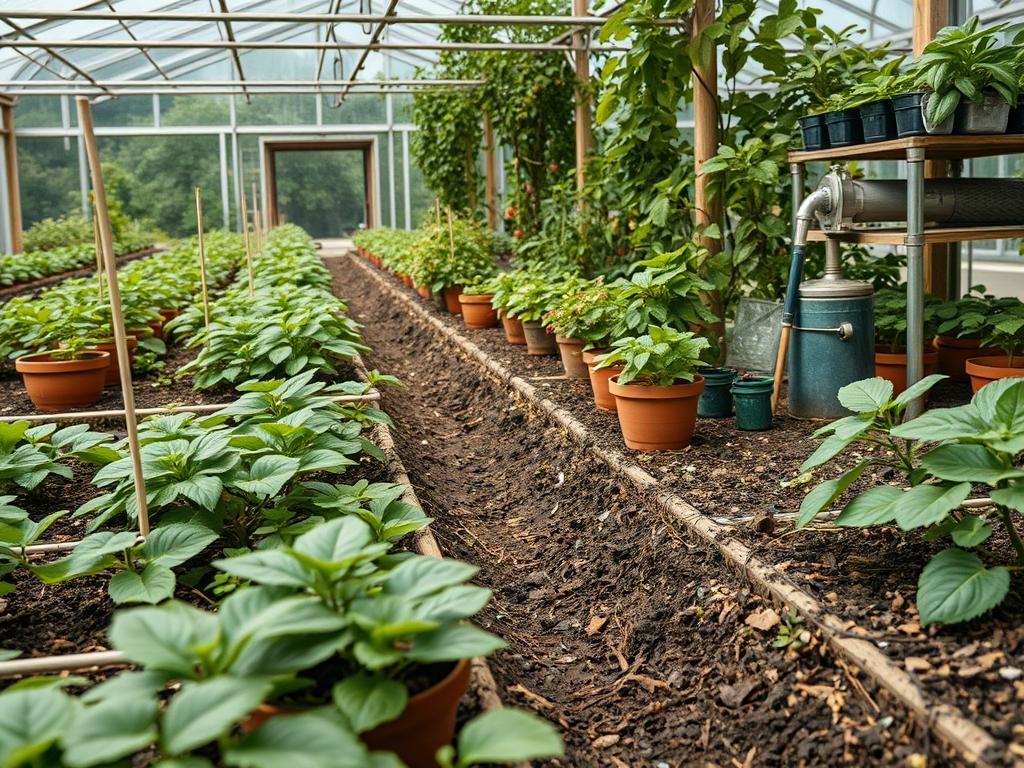
Integrating the practice of Saving Rare Fruit Seeds into a modern landscape design transforms a standard backyard into a living museum of genetic diversity. As a landscape architect, I approach the garden not merely as an aesthetic arrangement of shapes and colors, but as a functional ecosystem that must balance climate resilience with historical preservation. Saving Rare Fruit Seeds is a long-term heritage project that requires a strategic approach to site analysis and outdoor environment planning. Most traditional landscapes focus on sterile, over-hybridized nursery stock that offers predictable results but lacks the soul and adaptability of heritage varieties. By incorporating rare cultivars into your master plan, you address the critical challenge of declining biodiversity while simultaneously elevating the curb appeal of the property with unique textures and forms not found in the neighbor’s yard. This work demands an understanding of microclimates, as many rare seeds come from specific regional pockets that require precise elevation and drainage considerations.
Designing for rare fruit preservation involves a commitment to the site’s long-term health. We must consider the outdoor living functionality, ensuring that your heritage trees do not interfere with utility lines or structural foundations as they reach maturity over several decades. The goal is to create a seamless transition between hardscaped areas, such as patios or walkways, and the softscape elements where these rare genetic lines will thrive. By focusing on site-specific sustainability, we ensure that the seeds saved today become the canopy of tomorrow. This requires a professional eye toward soil composition, solar orientation, and the integration of advanced irrigation systems that can sustain sensitive heirloom varieties through periods of environmental stress.
Landscape Design Principles
A successful landscape incorporating rare fruit must follow core design principles to remain manageable and visually appealing. Symmetry and focal points are essential when dealing with varied growth habits. A Medlar tree or a unique Quince cultivar can serve as a stunning specimen tree at the end of a vista, drawing the eye through the garden. We use elevation layers to create depth; lower-growing fruiting shrubs or groundcovers like Alpine Strawberries are placed in the foreground, while mid-sized stone fruits occupy the intermediate space, and tall, long-lived heritage apples or pears form the background canopy.
Visual balance is achieved by mirroring shapes rather than exact species. If you plant a rare, weeping variety of fruit tree on one side of a walkway, you might balance it with a structurally similar native ornamental on the other. Irrigation planning is perhaps the most technical aspect of this design. Unlike modern hybrids that are often bred for uniform water needs, rare heritage varieties may have specific requirements inherited from their landrace ancestors. We often implement zoned irrigation systems that use Netafim drip tubing to deliver precise moisture levels to different collection sectors, ensuring that a drought-tolerant rare fig is not overwatered by the same line serving a thirsty heirloom plum.
Plant and Material Selection
| Plant Type | Sun Exposure | Soil Needs | Water Demand | Growth Speed | Maintenance Level |
| :— | :— | :— | :— | :— | :— |
| Heritage Apple | Full Sun | Well-drained Loam | Moderate | Medium | High (Pruning) |
| Pawpaw | Part Shade | Rich, Moist Acidic | High | Slow | Low |
| Persimmon | Full Sun | Adaptable/Clay | Moderate | Medium | Low |
| Serviceberry | Full/Part Sun | Well-drained | Low | Medium | Low |
| Loquat | Full Sun | Sandy/Loamy | Moderate | Fast | Medium |
| Mulberry | Full Sun | Deep, Fertile | Low | Very Fast | High (Harvesting) |
When selecting materials for your heritage garden, durability is paramount. We recommend using Decomposed Granite or Permeable Pavers for walkways to allow for oxygen exchange in the root zones. For structural support, use 12-gauge Galvanized Wire for espalier systems, which allow rare fruit trees to be grown against walls, maximizing space in smaller urban lots.
Implementation Strategy
The transition from a blueprint to a living heritage orchard begins with proper site preparation. Grading is the first step; the land must be shaped to prevent standing water, which is the primary killer of young heirloom seedlings. We typically aim for a 2 percent slope away from the base of the trees. If the site is flat, we utilize Raised Mounds or Berms to create artificial elevation.
Once the grading is complete, we install the drainage infrastructure. A French Drain may be necessary in heavy clay soils to redirect excess runoff toward a bioswale or rain garden. Edging is then installed to define the boundaries between the turf and the planting beds. We prefer 4-inch Steel Edging for its clean profile and longevity. After the rare seedlings are planted, a layer of 3 inches of Organic Cedar Mulch is applied. This mulch depth is critical; it suppresses weeds that would compete for nutrients while maintaining the soil temperature and moisture levels necessary for the delicate root systems of rare varieties. By planning the layout with future growth in mind, we ensure that each tree has a minimum of 15 to 20 feet of clearance from competing structures.
Common Landscaping Failures
Many homeowners fail in their heritage projects due to root overcrowding. In an attempt to maximize the variety of rare seeds they are saving, they plant them too close together. This leads to poor airflow, which encourages fungal pathogens to devastate rare cultivars that may not have modern disease resistance. Another frequent error is soil compaction. During the construction of hardscapes, heavy machinery often crushes the soil structure, leaving it anaerobic. We always recommend Core Aeration and the incorporation of Biochar or Compost before any rare seeds are introduced to the ground.
Irrigation inefficiencies also plague many long-term projects. Overhead spraying is generally avoided because it wets the foliage, leading to blight and scab. Instead, subsurface or ground-level delivery is preferred. Finally, improper spacing between the edible heritage plants and invasive ornamental species can lead to a takeover where the rare fruit is choked out. Proper landscape planning identifies these “bully plants” early and replaces them with non-invasive companions that support the master goal of Saving Rare Fruit Seeds.
Seasonal Maintenance
Seasonal management is the pulse of a heritage landscape. In the spring, the focus is on soil health and nutrient delivery. We apply a 1-inch layer of finished compost to the drip line of each tree to provide a slow-release nitrogen source. This is also the time for structural pruning, where we remove crossing branches to ensure the tree can support a heavy fruit load in the future.
During the summer, the priority shifts to water management and pest monitoring. As temperatures rise, the Evapotranspiration rate increases, requiring adjustments to the irrigation controllers. In autumn, maintenance involves the thorough cleanup of fallen fruit and leaves. For those engaged in Saving Rare Fruit Seeds, this is the peak season for harvest and processing. Sanitation is key; leaving diseased fruit on the ground can harbor larvae and spores that will haunt the garden the following year. Finally, in winter, we focus on protection. We apply White Latex Tree Wrap to the trunks of young heritage trees to prevent sunscald, and we ensure that a fresh layer of mulch is in place to insulate the roots against deep freezes.
Professional Landscaping FAQ
How do I choose the best spot for a rare fruit tree?
Conduct a solar study of your yard. Most rare fruits require at least 6 to 8 hours of direct sunlight. Ensure the spot has the best natural drainage on your property to avoid root rot issues.
Can I save seeds from store-bought fruit for my project?
It is generally discouraged. Most commercial fruit is hybridized or treated, meaning the seeds will not grow “true to type.” For a heritage project, obtain seeds from certified heirloom conservancies or reputable seed-saving exchanges to ensure genetic purity.
What is the best way to improve soil for rare seeds?
Start by performing a professional soil test to check pH and mineral levels. Incorporate Organic Matter and Mycorrhizal Fungi to build a living soil web that will support the long-term vitality of your rare fruit collection.
How much space does a heritage orchard require?
Space depends on the rootstock. Standard trees need 25 square feet, while semi-dwarf varieties can thrive in 15 square feet. Use professional spacing guides to prevent root competition and ensure adequate sunlight reaches the inner canopy.
Does a heritage fruit garden lower property value?
On the contrary, a well-designed edible landscape with rare specimens often increases curb appeal and property value. It creates a “destination garden” feel that is highly attractive to buyers looking for sustainable, established, and unique outdoor living spaces.