
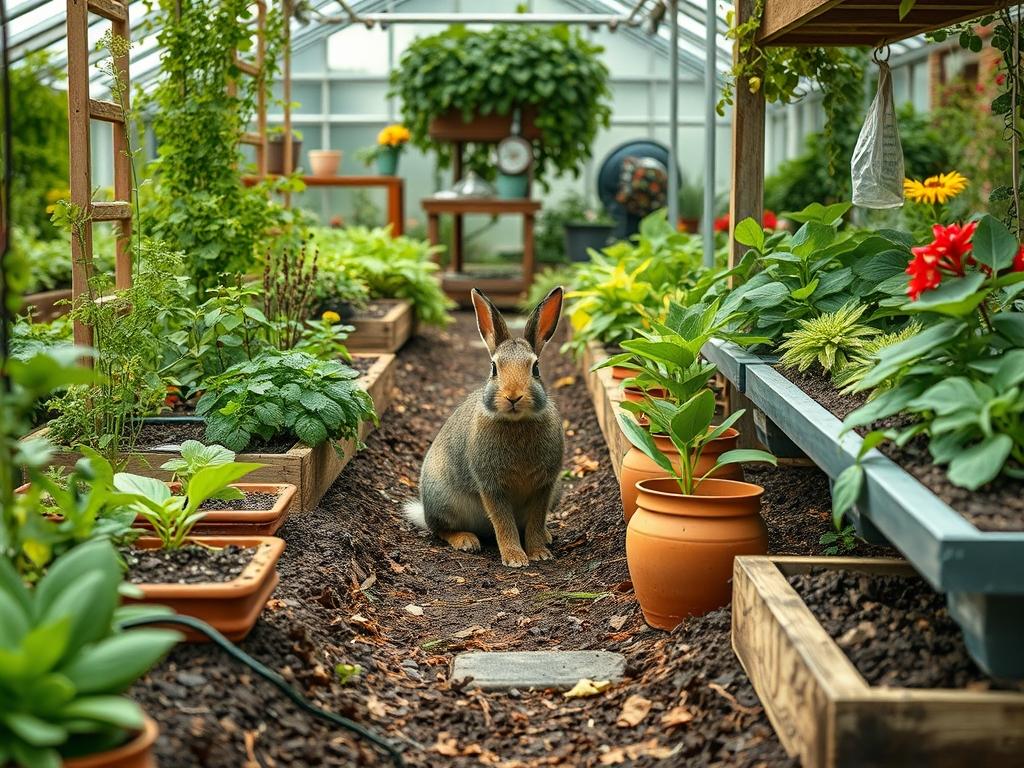
Managing an open landscape requires more than just an aesthetic vision; it demands a strategic defense against local wildlife. In expansive fields, rabbits represent a significant challenge for property owners seeking to maintain curb appeal and functional outdoor living spaces. These animals can decimate young saplings, ornamental shrubs, and vegetable gardens in a single evening, leading to costly replanting and soil erosion issues. As an outdoor environment consultant, I frequently see how uncontrolled browsing leads to a decline in biodiversity and the eventual failure of expensive landscape designs. The goal of a successful field plan is to integrate natural rabbit deterrents that feel like intentional design choices rather than desperate defensive measures. By focusing on site grading, plant selection, and physical barriers, we can create a resilient system that thrives despite the local fauna.
Climate considerations play a vital role in how we address these pests. In arid regions, rabbits are often drawn to the lush, irrigated zones of a residential landscape, while in temperate climates, they target the tender new growth of spring. A professional approach involves creating a multi layered defense that begins at the property line and intensifies as you move toward focal points like patios or entrances. We must think about the landscape as an ecosystem where every element, from the drainage gravel to the choice of hedgerow, serves a dual purpose. By designing for functionality and resilience, we ensure the longevity of the outdoor environment while maintaining its natural beauty.
Landscape Design Principles
Effective pest management begins with fundamental design principles like symmetry, focal points, and elevation layers. When planning an open field, creating clear sightlines is a primary deterrent. Rabbits are prey animals that prefer dense cover where they can hide from hawks and foxes. By maintaining low, manicured grass in specific buffer zones, you remove their sense of security. Symmetry can be used to frame these open areas, making the landscape look intentional while serving a protective function.
Elevation layers offer a physical and psychological barrier. Using retaining walls built from natural stone or interlocking concrete blocks at a height of 24 inches can prevent easy access to sensitive planting zones. These walls create verticality and visual interest while acting as a primary shield. Furthermore, focal points such as raised stone planters or statues can be surrounded by river rock or crushed granite. These materials are uncomfortable for rabbits to traverse, providing a secondary layer of protection for the plants housed within.
Walkway design also contributes to rabbit deterrence. By using wide, paved paths or decomposed granite trails, you create breaks in the vegetation. These gaps force rabbits to expose themselves if they wish to move between feeding areas, which they are often reluctant to do. Incorporating irrigation planning into this layout ensures that water is delivered directly to the roots via drip emitters, rather than broadcast spraying. Broadcast irrigation often creates moist patches of clover and weeds in the open field, which acts as a magnet for foragers.
Plant and Material Selection
Selecting the right plant palette is the most sustainable way to protect a landscape. We prioritize species with strong scents, fuzzy textures, or leathery leaves that rabbits find unpalatable.
| Plant Type | Sun Exposure | Soil Needs | Water Demand | Growth Speed | Maintenance Level |
| :— | :— | :— | :— | :— | :— |
| Lavender | Full Sun | Well-drained | Low | Moderate | Low |
| Allium | Full Sun | Loamy/Sandy | Moderate | Fast | Low |
| Barberry | Full/Partial | Adaptable | Low | Moderate | Periodic Pruning |
| Russian Sage | Full Sun | Poor to Average | Very Low | Fast | Annual Cutback |
| Boxwood | Full/Partial | Loamy | Moderate | Slow | Shaping |
| Salvia | Full Sun | Well-drained | Low | Fast | Deadheading |
| Spirea | Full/Partial | Adaptable | Moderate | Moderate | Seasonal Pruning |
In addition to plants, we utilize varied materials to reinforce the perimeter. Wood chips applied at a 3 inch depth can be mixed with natural repellents like dried blood meal or sulfur. For high value specimens, we install 1/4 inch hardware cloth around the base of the trunk, buried 6 inches below the soil line to prevent girdling. The combination of unappealing textures and scents creates a sensory barrier that most wildlife will choose to avoid in favor of easier targets elsewhere.
Implementation Strategy
The implementation phase begins with proper grading and site preparation. In an open field, drainage is paramount. Standing water attracts insects, which in turn attracts larger animals, including rabbits seeking hydration. We start by grading the land to a 2 percent slope away from the home and garden beds. This ensures that heavy rains do not pool and create soft, easy to dig soil. Once the grade is established, we focus on hardscaping.
The first creative deterrent is the installation of a trench mesh. We dig a narrow trench at the perimeter and install galvanized wire mesh at a 45 degree angle facing outward. This prevents rabbits from burrowing under traditional fences or hedges. Following this, we install edging made of steel or thick plastic to define the beds. This edging serves as a track for pea gravel or lava rock borders. The sharp edges of these stones are a natural deterrent for the soft pads of a rabbit’s feet.
Next, we establish the irrigation system. We use polyethylene tubing and drip stakes to concentrate moisture only where it is needed. This prevents the growth of lush, “wild” grasses near the ornamental plants. After planting, we apply a layer of hardwood mulch or pine needles. Pine needles are particularly effective because their prickliness discourages nesting. Finally, we incorporate motion activated technology. Impact sprinklers triggered by infrared sensors provide a harmless but startling burst of water that trains local wildlife to stay away from specific zones.
Common Landscaping Failures
One of the most frequent errors in field landscaping is improper spacing and root overcrowding. When plants are crowded, they become stressed and produce more sugar, which makes them more attractive to rabbits. Proper spacing allows for airflow and ensures that each plant has the nutrients it needs to develop tough, resistant foliage. Another common failure is neglected drainage. Soil that remains saturated becomes compacted, leading to root rot and making the area more susceptible to burrowing pests who prefer the soft, wet earth.
Soil compaction is often overlooked. In open fields, heavy equipment used during construction can crush the soil structure, preventing deep root growth. We recommend using a core aerator to loosen the soil before planting. Furthermore, irrigation inefficiencies, such as leaking valves or mistuned timers, create “green islands” that attract rabbits from miles around. Regular inspections of the backflow preventer and zone valves are necessary to maintain a dry, inhospitable environment for pests.
Seasonal Maintenance
Landscape management is a year round commitment that changes with the seasons. In the spring, the focus is on protection and prevention. This is when we apply organic repellents to new buds and ensure that the irrigation controller is set correctly for the rising temperatures. We also inspect the wire guards around young trees to ensure they haven’t been dislodged by winter snow.
Summer maintenance involves managing growth and hydration. We prune ornamental grasses to maintain sightlines and ensure that the drip system is not overwatering the surrounding turf. In the autumn, the priority shifts to cleanup. Removing fallen fruit and clearing dead foliage eliminates food sources that would otherwise sustain a rabbit population through the winter. This is also the time to reinforce mulch layers to a consistent 3 inch depth to protect roots from the coming freeze.
Winter is the most critical time for rabbit deterrence in open fields. As food becomes scarce, rabbits become bolder. We check for tracks in the snow to identify entry points and may apply a final round of scent based deterrents. We also ensure that any retaining walls or fences are clear of snow drifts, which could provide a ramp for rabbits to hop over barriers that would otherwise be impenetrable.
Professional Landscaping FAQ
What is the most effective physical barrier for rabbits?
A fence made of 1-inch hexagonal wire mesh is the gold standard. It should stand at least 2 feet tall and have an additional 6 inches buried underground to prevent rabbits from digging beneath the structure.
Do motion-activated sprinklers really work for long-term deterrence?
Yes, they are highly effective. The sudden noise and physical sensation of water create a fear response. Because the timing is unpredictable, rabbits generally do not become accustomed to them, unlike static plastic owls or decoys.
Can I use gravel as a mulch to deter pests?
Crushed stone or lava rock acts as an excellent deterrent. The sharp, uneven surfaces are uncomfortable for rabbits to walk or dig on, making these materials ideal for the perimeter of sensitive garden beds.
Which plants should I absolutely avoid in a rabbit-prone area?
Avoid planting hostas, tulips, clover, and lettuce in unprotected areas. These are essentially high-calorie snacks for rabbits. If you must have them, keep them in elevated planters at least 30 inches high.
How often should I reapply organic scent deterrents?
Most organic sprays, such as those containing garlic or putrefied eggs, need reapplication every 2 to 3 weeks. You must also reapply them immediately following heavy rainfall or overhead irrigation to maintain their chemical effectiveness.