Designing a functional landscape requires a deep understanding of the botanical lifecycle, particularly when the goal involves regenerative practices like saving heirloom kale seeds for winter. Most homeowners view kale as a seasonal vegetable to be cleared out during the autumn transition, yet to a landscape architect, these biennials represent a sophisticated structural opportunity. Integrating seed production into a formal or semi-formal garden layout demands a balance of aesthetic curb appeal and technical environmental management. The challenge lies in managing the second-year growth spurt, where varieties like Lacinato or Red Russian can reach heights of 4 to 6 feet, potentially disrupting the established sightlines of a garden if not planned with architectural precision.
A successful landscape plan for seed saving begins with an assessment of the microclimate and soil health. In northern latitudes, the primary obstacle is ensuring the root systems survive the freeze-thaw cycles of January and February. This is not merely a gardening task; it is a grading and drainage challenge. We look for areas with excellent solar orientation, typically southern or southwestern exposures, where the thermal mass of the house or Nearby retaining walls can mitigate extreme temperature fluctuations. Proper site selection ensures that the plants remain dormant but viable, allowing them to bolt and produce seeds the following spring. By treating the kale as a primary focal point rather than a hidden crop, we elevate the functionality of the outdoor living space.
Landscape Design Principles
Effective landscape design relies on fundamental principles such as symmetry, focal points, and elevation layers. When planning for Saving Heirloom Kale Seeds, the architect must consider the biennial nature of the plant. In the first year, the kale provides low-to-mid-level foliage interest with rich textures and deep blues, purples, or greens. By the second year, the plant transforms into a towering vertical element. To maintain visual balance, these plants should be placed in the middle or rear of a border, behind structural perennials or low-growing shrubs that can mask the leggy base of the kales during their flowering phase.
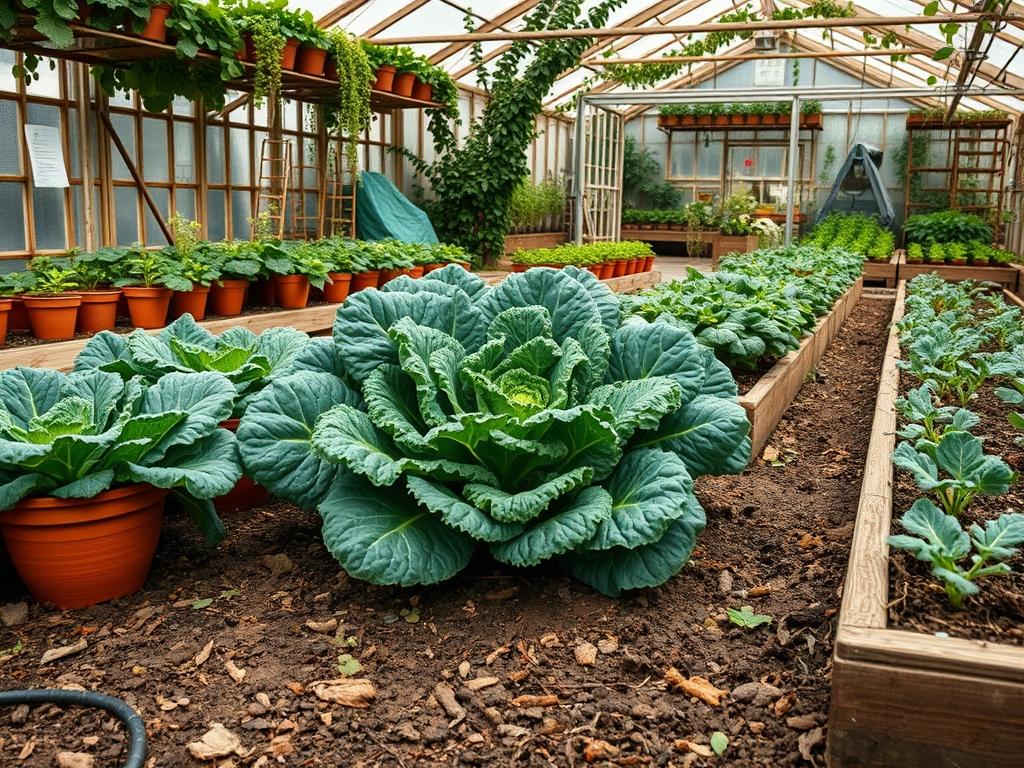
Elevation is another critical factor. Utilizing raised beds or terraced slopes can improve drainage and bring the plants closer to eye level, highlighting the intricate yellow blossoms that appear in late spring. These blooms are not just functional for seed production; they serve as a massive attractant for pollinators, adding movement and sound to the landscape. Walkways should be planned with enough width, at least 36 to 48 inches, to allow for the seasonal sprawl of the seed pods without obstructing foot traffic. If the garden relies on a formal aesthetic, use hardscape elements like wrought iron obelisks or timber stakes to provide support for the heavy seed heads as they mature in the summer heat.
Plant and Material Selection
Selecting the right cultivars and supporting materials is essential for a landscape that functions as a nursery for future generations of plants. The following table outlines the specifications for common heirloom varieties used in professional landscape designs.
| Plant Type | Sun Exposure | Soil Needs | Water Demand | Growth Speed | Maintenance |
| :— | :— | :— | :— | :— | :— |
| Lacinato Kale | Full Sun | Well-drained Loam | Moderate | Medium | Low |
| Red Russian | Partial to Full | Rich Organic | High | Fast | Medium |
| Curly Scarlet | Full Sun | Neutral pH | Moderate | Medium | Low |
| Walking Stick | Full Sun | Deep Fertile | Moderate | Slow | High |
| Siberian Kale | Partial Sun | Any (Well-drained) | Low | Fast | Low |
For the structural components of the garden, we recommend using 3/4-inch crushed gravel for pathways to ensure permeability. Soil should be amended with a 50/50 mix of organic compost and screened topsoil to provide the nutrient density required for seed development. Irrigation should be managed via a drip system with 0.5 GPH emitters to keep moisture at the root zone and away from the foliage, which reduces the risk of fungal pathogens during the damp winter months.
Implementation Strategy
The implementation of a seed-saving garden begins with precise grading. Before a single seed is sown, the site must be leveled or sculpted to ensure that water moves away from the crowns of the kale plants. Standing water is the quickest way to kill a biennial crop in winter. We recommend a slight 2 percent grade for all planting beds. Once the site is prepared, define the perimeter with high-quality steel edging or tumbled stone to create a clean transition between the garden beds and the turf or patio areas.
Install a weed barrier fabric only in the permanent walkway areas, never in the planting zones, as this interferes with the beneficial soil microbes and the potential for natural self-seeding. When planting the kale, space the individuals at least 18 to 24 inches apart. While this may look sparse initially, the space is necessary for the massive canopy that develops in the second year. Apply a layer of shredded cedar mulch at a depth of 3 inches around the base of the plants. This mulch regulates soil temperature, preventing the ground from heaving during sudden frosts, which can expose and damage the delicate taproots of the Brassica oleracea.
Common Landscaping Failures
One of the most frequent mistakes in landscape planning for seed saving is improper spacing and poor drainage. When kales are crowded, airflow is restricted, leading to outbreaks of powdery mildew and aphids that can weaken the plant before it ever reaches the seeding stage. Furthermore, many designers fail to account for soil compaction. High-traffic areas near the garden beds can compress the earth, stripping it of oxygen and preventing the deep root penetration required for the plant to withstand winter winds. Using a broadfork to aerate the soil before the initial planting can mitigate this issue.
Another failure is the misuse of irrigation. Over-watering in the autumn encourages soft, succulent growth that is easily destroyed by the first hard freeze. The goal is to harden the plant. We often see homeowners leave irrigation systems on an automatic summer schedule well into October, which is a recipe for root rot. Similarly, relying on overhead sprinklers during the flowering phase in the second year can knock the pollen off the blossoms, drastically reducing your seed yield. Consistent monitoring and manual overrides of the irrigation controller are necessary for a professional-grade result.
Seasonal Maintenance
Landscape management for kale seed saving is a year-round commitment. In the spring, your primary task is to monitor the bolting process. As the stalks elongate, provide structural support using natural jute twine and bamboo stakes. Ensure the soil remains consistently moist but not saturated. During the summer, the seeds will form in long, thin pods known as siliques. You must wait for these pods to turn a tan, parchment-like color and become brittle before harvesting. If you harvest too early, the seeds will be immature and fail to germinate; if you wait too long, the pods will shatter and scatter your harvest across the mulch.
Autumn maintenance involves the removal of the spent mother plants once the seeds have been collected. This is a vital step for curb appeal, as the drying stalks can look untidy. Cut the plants at the soil level rather than pulling them to keep the root channels open for soil aeration. In the winter, focus on protecting any first-year plants that will seed the following year. A cold frame or a layer of heavy-grade row cover can provide an extra 10 degrees of warmth, which is often the difference between success and failure in Zone 5 or 6 landscapes.
Professional Landscaping FAQ
How do I prevent cross-pollination in a small landscape?
To maintain varietal purity, grow only one species of Brassica oleracea at a time. If you have multiple varieties, space them by at least 1,000 feet, or use fine mesh exclusion bags over the flower heads to control pollination manually.
Does leaving kale to seed ruin my garden’s aesthetic?
While the bolting stalks are tall, they produce vibrant yellow flowers that resemble ornamental shrubs. To maintain a tidy look, integrate them into the back of a perennial border where other plants can provide visual support and hide the lower stems.
What tools are best for harvesting heirloom seeds?
Use a sharp pair of bypass pruners to cut the entire seed branch into a 5-gallon plastic bucket. This prevents the pods from shattering on the ground. A fine-mesh sieve is then used to separate the seeds from the chaff.
Will the seed-saving process attract more pests?
Flowering kale attracts beneficial insects like syrophid flies and parasitic wasps, which actually help control garden pests. However, keep an eye out for cabbage white butterflies and use organic BT spray or manual removal to protect the foliage during the summer.
How should I store the seeds until the next season?
Ensure seeds are completely dry by leaving them in a well-ventilated area for two weeks. Store them in glass airtight jars in a cool, dark place. Adding a small silica gel packet helps maintain the low humidity required for long-term viability.