Maintaining a high-end residential landscape requires more than just aesthetic intuition; it demands a deep understanding of the subterranean ecosystem. In many regions, the presence of pocket gophers represents a significant threat to curb appeal and historical landscape preservation. These rodents do not merely consume expensive ornamental root systems. They actively deconstruct the architectural integrity of a site by creating tunneling voids that lead to uneven turf, settling pavers, and compromised retaining walls. For a landscape architect, the goal is to integrate natural gopher deterrents into the design phase so that protection is invisible, functional, and aesthetically pleasing. A proactive strategy prioritizes soil stability and plant health while minimizing the use of harsh chemicals that could leach into local groundwater or harm beneficial soil microbes. By viewing the garden as a managed environment, we can implement structural and biological barriers that redirect wildlife without sacrificing the outdoor functionality of the space.
Landscape Design Principles
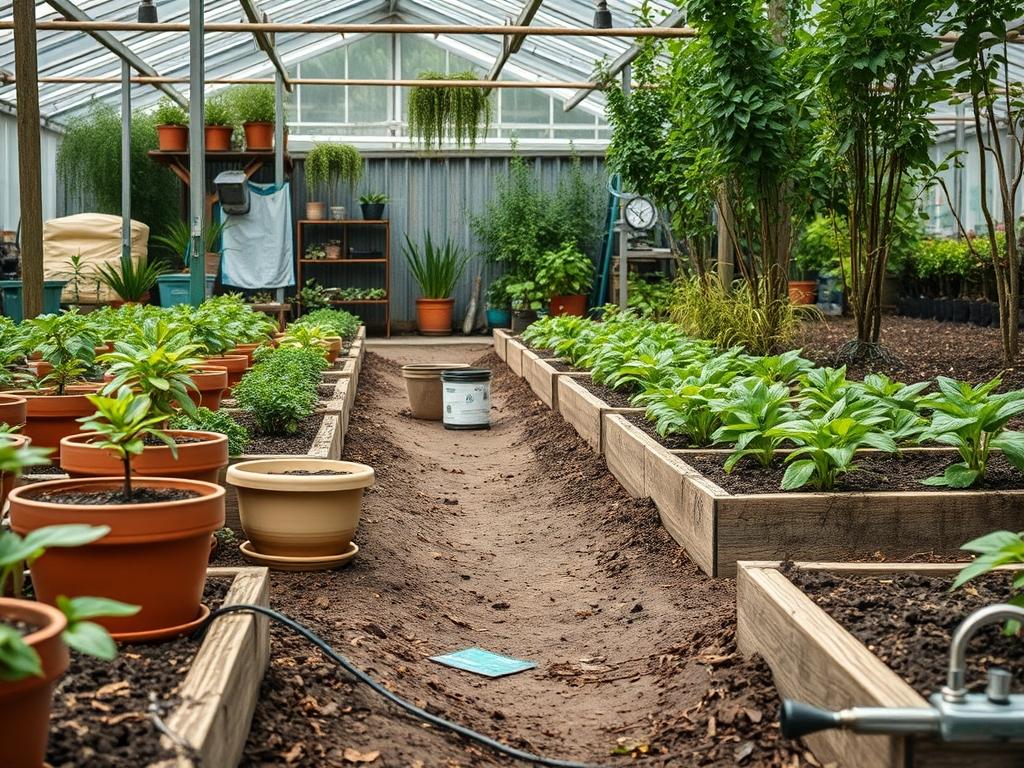
Effective gopher management begins with the structural layout of the property. Symmetry and visual balance are often disrupted by the chaotic mounding typical of gopher activity. To counter this, designers utilize visual focal points that are protected by subterranean engineering. One primary principle is the use of elevation layers. By creating tiered gardens using stone or pressure-treated timber, we can isolate planting zones. These raised beds should be lined with 1/2 inch 19-gauge galvanized hardware cloth. This material acts as a physical barrier that gophers cannot penetrate, ensuring that your primary floral displays remain undisturbed.
Elevation also plays a role in irrigation planning. Gophers are often attracted to the consistent moisture found in overwatered gardens. By designing a system with precise drip irrigation, you reduce the total moisture footprint of the landscape. This makes the soil less pliable and less attractive for tunneling. Furthermore, the strategic placement of walkways and hardscaping serves a dual purpose. A 6-inch deep concrete mow strip or a wide gravel path creates a thermal and physical boundary that disrupts the travel paths of burrowing pests. These elements provide the necessary structure to define the garden’s geometry while providing a tactical defense against subterranean intrusion.
Plant and Material Selection
The following table outlines specific plant species known for their natural repellent properties or their resilience in gopher-prone environments. These selections should be integrated into the broader planting plan based on their horticultural needs.
| Plant Type | Sun Exposure | Soil Needs | Water Demand | Growth Speed | Maintenance Level |
| :— | :— | :— | :— | :— | :— |
| Gopher Purge | Full Sun | Well-Drained | Low | Moderate | Low |
| Lavender | Full Sun | Sandy/Rocky | Low | Moderate | Seasonal Pruning |
| Crown Imperial | Partial Shade | Humus Rich | Medium | Fast | Moderate |
| Salvia | Full Sun | Loamy | Low | Fast | Deadheading |
| Oleander | Full Sun | Any | Low | Very Fast | High (Pruning) |
| Society Garlic | Full Sun | Well-Drained | Medium | Moderate | Low |
| Castor Bean | Full Sun | Rich/Moist | Medium | Very Fast | High (Toxicity) |
Implementation Strategy
The execution of a gopher-resistant landscape starts with proper grading and site preparation. Before any softscaping begins, the site must be cleared and the sub-soil analyzed for existing tunnel networks. If the area has a high infestation rate, the most effective strategy is the installation of a perimeter “skirt.” This involves burying hardware cloth vertically to a depth of 24 inches, with an additional 6 inches of material flared outward at the bottom to prevent gophers from digging underneath the barrier.
Once the structural barriers are in place, focus on the edging and mulch application. A 3-inch layer of decorative mulch or bark should be applied to all planting beds. However, designers must ensure the mulch does not bridge over the top of subterranean wire barriers. For individual specimen trees or high-value shrubs, gopher baskets are essential. These are wire meshes shaped to fit the root ball of a new plant, allowing the roots to grow through the mesh while protecting the main root crown from being severed. When installing these baskets, the professional should ensure the top rim sits at least 2 inches above the final soil grade to prevent gophers from entering from the surface.
Drainage must also be addressed during the implementation phase. Gopher tunnels can inadvertently act as conduits for water, leading to localized flooding or erosion. Installing French drains or perforated pipes wrapped in filter fabric ensures that water is directed away from the foundation and heavy planting zones, making the soil less attractive for burrowers who prefer moist, easy-to-dig earth.
Common Landscaping Failures
The most common failure in gopher management is the reliance on a single method. A landscape that only uses repellent plants without structural barriers will likely fail as gophers adapt or find non-repellent species to consume. Another significant error is improper spacing during the planting phase. When plants are crowded, it creates a protected canopy that cools the soil and attracts pests. Over-crowding also makes it difficult to spot the first signs of mound activity.
Soil compaction is another overlooked factor. While construction equipment often compacts soil, which should generally be avoided for plant health, overly loose or “fluffed” soil from excessive tilling makes tunneling effortless for rodents. Professional landscapers aim for a middle ground where aeration is sufficient for root growth but the soil retains enough density to discourage easy transit. Furthermore, irrigation inefficiencies, such as broken heads or leaking valves, create “wet spots” that gophers use as primary hydration sources. Regular audits of the irrigation controller and field lines are necessary to prevent these attractants from forming.
Seasonal Maintenance
Landscape management is a year-round commitment. In the Spring, the focus is on monitoring the integrity of wire barriers and checking for the first signs of activity as the ground warms. This is the ideal time to apply a castor oil-based repellent spray across the turf to encourage any overwintering pests to move beyond the property lines. Professional crews should prune Lavender and Salvia to encourage new growth, which contains the highest concentration of volatile oils that repel pests.
During the Summer, moisture management is the priority. Ensure that the drip emitters are functioning correctly and that there are no puddles. Gophers are most active when the surrounding wild land dries out, making your irrigated garden an oasis. Apply supplemental repellent treatments every 30 to 45 days during peak heat.
In the Autumn, as plants enter dormancy, it is vital to clear away fallen fruit or debris that could provide a food source. This is also the best time to repair any retaining walls or paver sections that may have shifted due to previous tunneling. Check the mulch depth and replenish it to the recommended 3-inch standard to protect root zones from frost.
Winter maintenance involves inspecting the perimeter for new mounds. Because deciduous plants lose their leaves, it is often easier to see the subtle signs of gopher activity during these months. If a mound is spotted, it should be leveled immediately to prevent the gopher from establishing a permanent nesting chamber.
Professional Landscaping FAQ
What is the most effective physical barrier for gophers?
The industry standard is 1/2 inch galvanized hardware cloth. It should be buried at least 2 feet deep to prevent tunneling. Stainless steel options provide longer lifespans in coastal or acidic soil environments.
Can certain plants actually kill gophers?
While some plants like Oleander or Euphorbia lathyris are toxic, gophers generally avoid eating them due to their bitter taste. They act more as a psychological and olfactory deterrent rather than a lethal control method.
How does mulch affect gopher behavior?
Heavy mulching regulates soil temperature and moisture. While beneficial for plants, it can mask gopher holes. Experts recommend keeping mulch a few inches away from the base of the plant to allow for easy inspection.
Are sonic deterrents effective in professional landscapes?
Sonic spikes have limited range and effectiveness in varied soil densities. Most landscape consultants prefer a combination of gopher baskets, perimeter fencing, and repellent vegetation for a more reliable, long-term solution.
Should I use traps or poison in my garden?
Poison poses risks to local pets and owls. Trapping is more targeted but labor-intensive. A professional landscape design focuses on exclusion and deterrence to minimize the need for lethal intervention.