
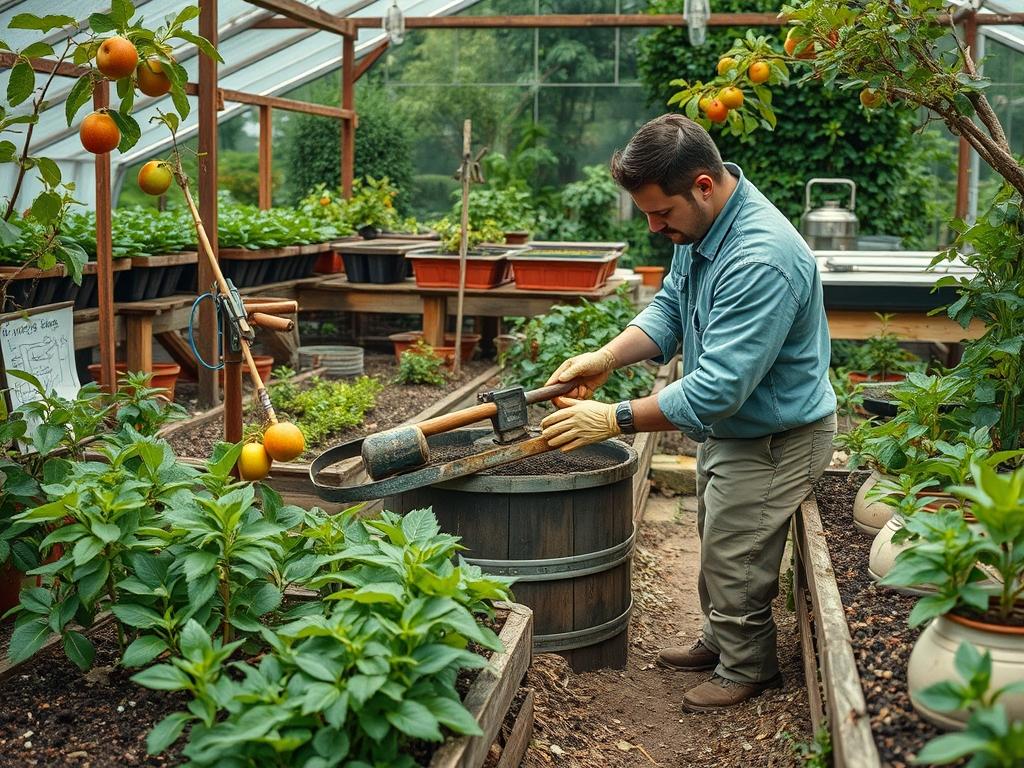
The integration of a productive orchard into a residential landscape represents the height of functional design. When we approach orchard planning, we are not merely orphaning a few trees in the corner of a lot; rather, we are constructing a seasonal destination that enhances both the value and the utility of the property. The ultimate realization of this design effort is the traditional cider pressing, a ritual that requires careful consideration of foot traffic, drainage, and spatial logistics. A professional landscape consultant must view the orchard as an outdoor room where structural integrity meets biological productivity. We must account for the weight of heavy machinery, the irrigation needs of high-yield varieties, and the aesthetic transition between the formal garden and the agricultural zone. By aligning these elements, the landscape serves as more than just a backdrop. It becomes a specialized environment designed for the efficient harvest and processing of fruit, creating a legacy site that improves with age and provides a recurring focal point for social interaction.
Climate considerations dictate everything from the choice of cultivars to the placement of hardscaping elements. In temperate zones, we must manage the microclimates created by the building envelope and existing windbreaks. A well-designed orchard utilizes the natural topography to prevent frost pockets from damaging early spring blossoms. Furthermore, the curb appeal of a house is significantly bolstered by the sight of mature, well-pruned fruit trees that offer a changing palette of colors throughout the seasons. The functionality of the outdoor space is maximized when the harvest area is planned with a clear workflow in mind. This includes providing a level, durable surface for the cider press, ensuring adequate illumination for evening work, and planning for the disposal of organic waste like pomace. When we treat the orchard as a central architectural feature rather than a peripheral addition, we create a landscape that is both beautiful and deeply purposeful.
Landscape Design Principles
To achieve a professional output, symmetry and focal points must be established early in the planning phase. An orchard should follow a grid or a structured informal curve that guides the eye toward a central feature, such as a stone-paved courtyard or a historic timber-frame press. We utilize elevation layers to ensure that every tree receives adequate sunlight, placing taller varieties like Standard Apple Trees to the north and shorter Dwarf Rootstocks to the south. This prevents shading issues and ensures a uniform ripening schedule across the grove.
Irrigation planning is perhaps the most critical technical component. We favor a zoned drip irrigation system that delivers water directly to the root ball, minimizing evaporation and preventing the foliage diseases common in overhead watering. Walkways must be wide enough to accommodate a utility cart or wheelbarrow, typically requiring a minimum width of 48 inches. These paths should be constructed from porous materials like decomposed granite or permeable pavers to manage runoff effectively. Visual balance is maintained by mixing the utilitarian orchard with ornamental borders. By using boxwood hedges or lavender rows, we define the orchard space, providing a formal frame for the productive trees.
Plant and Material Selection
Selecting the right materials for a cider-centric landscape requires a balance between soil chemistry and physical durability.
| Plant Type | Sun Exposure | Soil Needs | Water Demand | Growth Speed | Maintenance |
| :— | :— | :— | :— | :— | :— |
| Northern Spy Apple | Full Sun | Well-drained Loam | Moderate | Medium | High (Pruning) |
| Winesap Apple | Full Sun | Rich, Organic | Moderate | Fast | Moderate |
| Kingston Black | Full Sun | Slightly Acidic | High | Slow | High (Thinning) |
| White Clover | Partial to Full | Most Types | Low | Fast | Very Low |
| Creeping Thyme | Full Sun | Sandy/Gritty | Very Low | Medium | Low |
| Bluegrass Turf | Full Sun | Uniform Topsoil | High | Fast | High (Mowing) |
| Crushed Granite | N/A | Compacted Sub-grade | None | N/A | Low (Raking) |
Implementation Strategy
The process begins with a comprehensive site grading plan. We must ensure a 2 percent slope away from the harvest area to prevent water from pooling near the cider press setup. This prevents the ground from becoming a muddy quagmire during the autumn rains. Once the grade is established, we lay down a geotextile fabric to prevent weeds from penetrating our hardscaped surfaces.
For the tree installation, we dig holes that are twice as wide as the root ball but no deeper, ensuring the graft union remains 2 inches above the soil line. Edging is installed using heavy-gauge steel or tumbled cobblestone to create a crisp transition between the mulch beds and the turf. We recommend a 3-inch layer of organic cedar mulch around the base of the trees to regulate soil temperature and retain moisture. For the hardscaped harvest court, a base of 6 inches of compacted 3/4-minus gravel provides the stability needed for heavy equipment. This structural foundation prevents the cider press from wobbling during the high-pressure extraction process, ensuring a safe and professional environment for the harvest ritual.
Common Landscaping Failures
One of the most frequent errors in garden planning is the failure to account for drainage. If a site lacks proper drainage, hydrostatic pressure can build up behind retaining walls, leading to structural failure. In the orchard, poor drainage leads to anaerobic soil conditions and root rot, which will kill a mature Bitterling or Russet tree within a single season.
Root overcrowding is another systemic issue. Many homeowners plant trees based on their size at the nursery rather than their mature canopy width. A 15-foot spacing is standard for semi-dwarf varieties; failing to provide this space results in poor air circulation and the rapid spread of fungal pathogens. Additionally, improper soil compaction often occurs when heavy equipment is used on wet soil during construction. This destroys the soil structure, making it nearly impossible for new roots to penetrate. Finally, we often see irrigation inefficiencies where pop-up spray heads are used for trees. This is a waste of resources and often fails to reach the deep root systems necessary for a healthy harvest.
Seasonal Maintenance
Spring maintenance is focused on revitalization and preparation. We conduct a soil test to check for nutrient deficiencies and apply a balanced 10-10-10 fertilizer before the first bud break. Structural pruning is completed during the dormant season to remove dead, diseased, or crossing branches, which improves fruit quality.
Summer requires vigilant water management. As temperatures rise, we monitor the drip system to ensure trees receive at least 1 inch of water per week. This is also the time for fruit thinning, where we remove excess apples to ensure the remaining ones reach optimal size and sugar content for pressing.
Autumn is the season for the ritual itself. Before pressing begins, we clear all fallen fruit, known as “drops,” to prevent the attraction of pests and the spread of rot. After the traditional cider pressing is complete, the heavy cider press should be cleaned and stored, and the orchard floor should be raked to remove leaf litter that might harbor pests over winter.
Winter garden management centers on protection. We apply tree wraps to the trunks of young trees to prevent sunscald and use wire mesh guards to protect the bark from hungry rodents. This is also the time to service all tools, ensuring that pruning shears, pickers, and the apple grinder are sharpened and ready for the next cycle.
Professional Landscaping FAQ
What is the best surface for a heavy cider press?
A level, compacted surface of crushed stone or pavers is ideal. It provides the necessary stability for the pressure of the press while allowing liquids to drain away efficiently, keeping the work area clean and safe.
How do I prevent fruit trees from becoming messy?
Implement a strict pruning schedule and thin the fruit in early summer. Regularly harvesting all ripe fruit and cleaning up “drops” ensures the orchard remains tidy and prevents pest infestations or unpleasant odors near the home.
Can I grow cider apples in a small backyard?
Yes, by using espalier techniques or columnar varieties. These trees can be grown against fences or in narrow beds, providing a high yield of specialized fruit without requiring the footprint of a traditional, open-grown orchard.
What is the most common reason for young tree failure?
The most frequent cause is improper planting depth followed by inconsistent watering. Planting a tree too deep suffocates its roots, while a lack of supplemental irrigation during the first two years prevents it from establishing a resilient root system.
Why is drainage important for the harvest ritual?
Traditional pressing often involves washing fruit and cleaning equipment. Without a proper trench drain or a sloped permeable surface, the site becomes slippery and muddy, compromising safety and the overall enjoyment of the harvest event.