
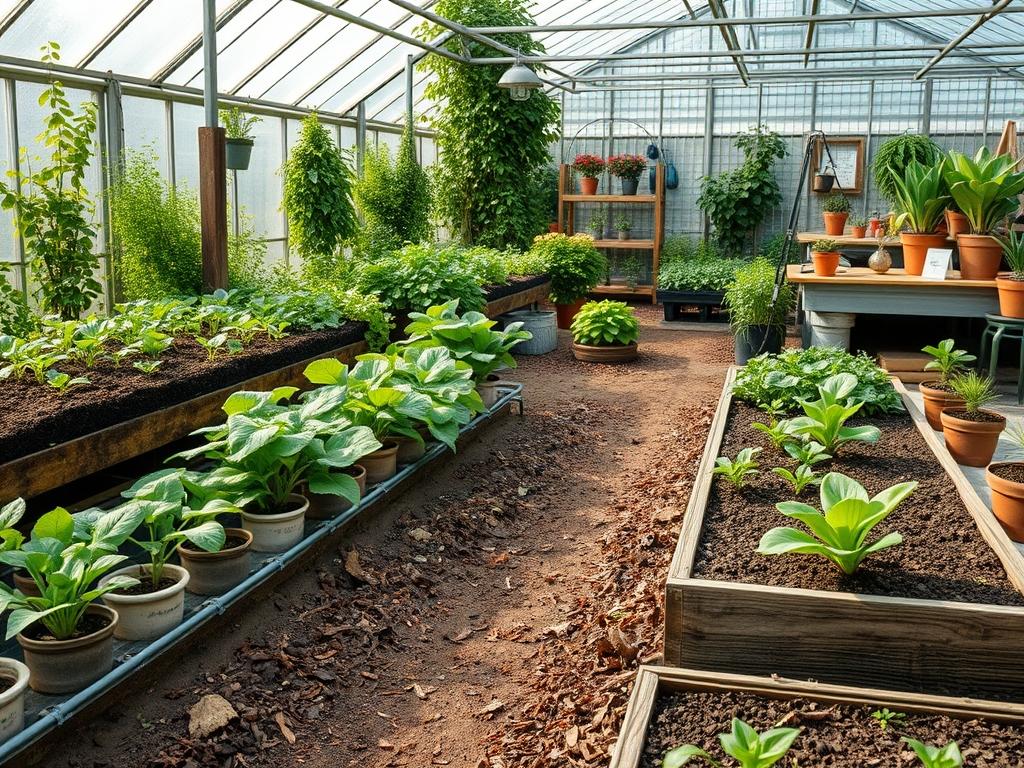
The creation of a high performance microclimate requires more than just a clear patch of earth and direct sunlight. Designing sun traps involves a sophisticated understanding of thermal mass, wind deflection, and solar orientation to extend the growing season for heat loving varieties. In many temperate regions, warm season crops often struggle with nocturnal temperature drops or persistent spring breezes that wick away essential moisture and warmth. By architecting the landscape to capture and hold solar energy, a designer can effectively raise the ambient temperature of a specific zone by several degrees compared to the surrounding garden. This localized climate shift not only improves the yield of crops like Peppers and Tomatoes but also enhances the overall curb appeal of the property through the use of structural hardscaping and lush, layered plantings. A well executed sun trap functions as an outdoor room; it provides a sanctuary for both the flora and the inhabitants while serving as a functional focal point in a modern landscape.
Landscape Design Principles
Successful sun trap design begins with the principle of solar orientation. In the northern hemisphere, a sun trap should ideally be oriented toward the South or Southwest to maximize exposure during the peak hours of solar radiation. The structural backbone of the design usually takes the form of a horseshoe or a crescent shape. This configuration utilizes a high back wall or dense thicket to block the prevailing northerly winds while the open side invites the sun in. Symmetry can be employed to create a formal aesthetic, but many designers prefer an asymmetrical balance that mimics natural landforms. Focal points, such as a Dark Granite Boulder or a tiered Raised Bed, serve to anchor the eye and provide additional surfaces for heat absorption.
Elevation plays a critical role in managing the movement of air within the trap. Cold air is denser than warm air and tends to flow downhill, pooling in low spots. To prevent the sun trap from becoming a frost pocket, the site must be graded to allow cold air to “drain” away from the planting zone. Incorporating various elevation layers using Retaining Walls made of Natural Limestone or Stacked Slate allows for better visual depth and creates distinct niches for different species. Walkways should be integrated seamlessly into the design. Using Dark Basalt Pavers or Flagstone for these paths serves a dual purpose; they provide stable access for maintenance and act as a thermal battery, releasing stored heat during the cooler evening hours. Irrigation planning must be specialized for these zones because the increased heat leads to higher transpiration rates. A combination of Drip Irrigation Lines and Soaker Hoses buried beneath the surface ensures that water reaches the root systems without excessive evaporation.
Plant and Material Selection
Selecting the right materials is just as important as choosing the plants themselves. Dense materials with high thermal mass, such as Concrete, Brick, or Solid Stone, are essential for capturing sunlight. When these materials are paired with specific warm season crops and architectural perennials, the result is a thriving, self sustaining ecosystem.
| Plant Type | Sun Exposure | Soil Needs | Water Demand | Growth Speed | Maintenance Level |
| :— | :— | :— | :— | :— | :— |
| Tomato (Indigo Rose) | Full Sun | Rich, Loamy | High | Fast | High (Pruning) |
| Sweet Pepper | Full Sun | Well Drained | Moderate | Medium | Medium |
| Rosemary | Full Sun | Sandy/Gravelly | Low | Medium | Low |
| Lavender (Munstead) | Full Sun | Lean/Alkaline | Low | Medium | Low |
| Hardy Fig | Full Sun | Heavy/Moist | Moderate | Fast | Medium |
| Agave | Full Sun | Gritty/Dry | Very Low | Slow | Low |
| Espalier Pear | Full Sun | Deep, Fertile | Moderate | Medium | High (Training) |
Implementation Strategy
The implementation of a sun trap begins with precise site analysis and grading. Before any stone is moved or soil is turned, use a Transit Level or a simple String Level to determine the slope of the land. The goal is to create a flat or slightly concave planting area that is protected by higher ground or structures on the windward side. Once the site is marked, the excavation for Retaining Walls or hardscape foundations should reach below the frost line to prevent shifting.
After the structural elements are in place, focus on the soil infrastructure. In a sun trap, the soil can dry out rapidly, so incorporating a high percentage of organic matter is vital for moisture retention. Mix Compost and Aged Manure into the top 12 inches of the native soil. For the edging, use Steel Garden Edging or Tumbled Stone to create a clean transition between the growing beds and the walkways. This prevents Mulch from migrating and maintains the crisp lines required for professional curb appeal. When applying Mulch, aim for a depth of exactly 3 inches. This thickness is sufficient to suppress weeds and lock in moisture without suffocating the soil or preventing the sun from warming the earth in early spring. Drainage should be addressed by installing a French Drain or a gravel sumphole at the lowest point of the trap to ensure that heavy rain does not lead to root rot.
Common Landscaping Failures
One of the most frequent errors in designing sun traps is the failure to account for air circulation. While the goal is to block wind, a completely enclosed space can lead to stagnant air, which promotes fungal diseases like powdery mildew. A designer must leave small gaps or use “permeable” windbreaks like Lattice or Open Shrubbery to allow for a gentle exchange of air. Another common issue is root overcrowding. In the enthusiasm to create a lush look, many homeowners plant too many specimens in a small area. This leads to competition for nutrients and water, eventually weakening the entire stand. Always follow the specific spacing requirements, such as leaving 24 inches between Tomato plants to ensure adequate light penetration.
Soil compaction is another silent killer of productive landscapes. During the construction of Stone Walls or the laying of Pavers, heavy foot traffic or machinery can compress the soil, destroying the pore spaces necessary for oxygen and water movement. To fix this, use Broadforks or Aerators to loosen the ground before planting. Finally, improper irrigation calibration often leads to failure. Relying on overhead sprinklers in a heat trap is inefficient and can scorch leaves. Instead, prioritize subsurface delivery systems that keep the foliage dry while providing a consistent deep soak to the roots.
Seasonal Maintenance
Landscape management in a sun trap varies significantly by the season. In the spring, the focus is on “waking up” the soil. Remove any winter debris and pull back the Mulch temporarily to allow the sun to hit the bare earth directly, which speeds up the warming process. This is also the time to inspect Irrigation Emitters for clogs and to apply a balanced, slow release fertilizer to the base of Perennials.
Summer maintenance is dominated by water management and heat monitoring. During extreme heat waves, even a sun trap can become too hot for some plants. Utilizing Shade Cloth temporarily can prevent blossom drop in Peppers when temperatures exceed 95 degrees Fahrenheit. Autumn is the season for “banking” heat and tidying. Prune back spent annuals but leave the foliage of Native Grasses to provide winter interest and protection for beneficial insects. In winter, the focus shifts to protecting the hardscape and the soil. Apply a thicker layer of Wood Chips or Straw to insulate the roots of Fig Trees or Lavender. Check the structural integrity of Retaining Walls after freeze-thaw cycles to ensure that no heaving has occurred.
Professional Landscaping FAQ
What is the best material for a sun trap wall?
Dark Tones of Basalt, Slate, or Dark Brick are ideal. These materials have high thermal mass, meaning they absorb significant solar energy during the day and radiate it back to the plants throughout the night, stabilizing the microclimate.
How high should the windbreak structure be?
A wall or hedge should be roughly 4 to 6 feet high. This height is sufficient to deflect most localized wind currents without casting excessively long shadows that might deprive the crops of necessary afternoon light during the growing season.
Can I create a sun trap in a small urban yard?
Yes. Using Stock Tank Planters or Masonry Raised Beds against a South facing brick wall creates an effective miniature sun trap. The brick wall acts as the heat reservoir, while the containers provide the necessary drainage and soil control.
Which mulch is best for heat loving crops?
For sun traps, Organic Cedar Mulch or Pine Bark Nuggets are preferred. They insulate the soil without reflecting too much light. In some cases, a thin layer of Pea Gravel can be used to further increase surface heat.
Do I need a special permit for retaining walls?
Most municipalities allow walls up to 3 feet or 4 feet without a structural engineer’s seal. However, always check local building codes regarding drainage and setback requirements before beginning any significant earth moving or masonry project in your backyard.