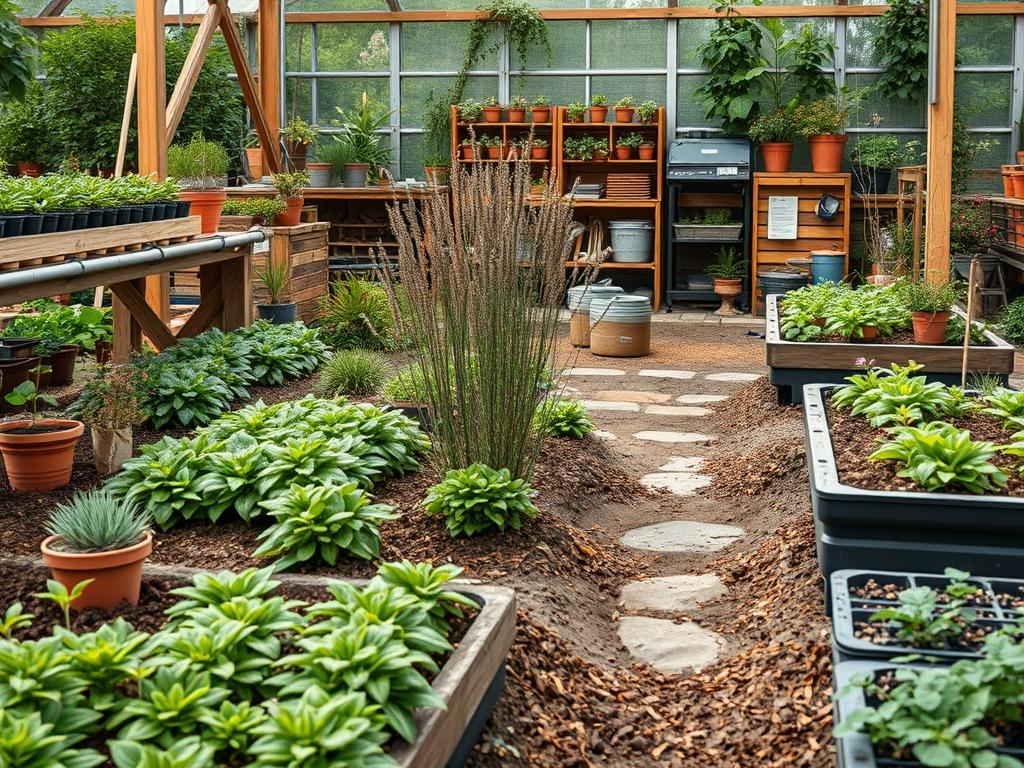
The success of a professional outdoor environment depends heavily on the foundational synthesis of local ecology and architectural intent. When approaching a new site, the primary challenge often lies in reconciling the aesthetic desires of the property owner with the biological realities of the local climate. Native shrub identification serves as the cornerstone of this process; it allows a designer to select species that have spent millennia adapting to the local rainfall patterns, soil compositions, and pest pressures. By integrating these indigenous varieties, a landscape architect can significantly enhance curb appeal while simultaneously reducing the long-term dependency on synthetic fertilizers and excessive supplemental irrigation. A well-planned garden is not merely a collection of plants. It is a functional extension of the home that provides privacy, manages stormwater runoff, and creates a transition between the built environment and the natural world.
Landscape Design Principles
Achieving a professional finish requires a strict adherence to core design principles that govern visual weight and spatial utility. Symmetry is a powerful tool in formal landscapes, often utilized at entryways to create a sense of order and prestige. However, asymmetrical balance is frequently more appropriate for native gardens, where the goal is to mimic the naturalistic flow of the local ecosystem. To achieve this, designers use elevation layers to create depth. This involves placing taller specimens like the Serviceberry or Spicebush toward the back of the sightline, transitioning to mid-sized shrubs, and finishing with low-growing groundcovers. This layering ensures that every plant is visible and that the focal points, whether they are a specimen tree or a stone water feature, are properly framed.
Irrigation planning must be integrated into the design phase rather than treated as an afterthought. By utilizing hydrozoning, which is the practice of grouping plants with similar water requirements together, you can optimize water usage and prevent root rot in drought-tolerant species. Walkways should be designed to facilitate logical movement through the space, using materials like flagstone, crushed granite, or pavers. These paths should be wide enough for two people to walk comfortably, typically requiring a width of at least 48 inches. Visual balance is further maintained through the repetition of textures and colors, ensuring that the landscape feels like a cohesive unit rather than a disjointed collection of individual plants.
Plant and Material Selection
The following table serves as a reference for common native shrubs in North American temperate zones. Selecting the right species requires careful consideration of the specific microclimate of your site.
| Plant Type | Sun Exposure | Soil Needs | Water Demand | Growth Speed | Maintenance |
| :— | :— | :— | :— | :— | :— |
| Winterberry (Ilex verticillata) | Full Sun to Part Shade | Acidic, Moist | High | Medium | Low |
| Oakleaf Hydrangea | Part Shade | Well-Drained, Rich | Medium | Medium | Moderate |
| Arrowwood Viburnum | Full Sun to Shade | Adaptable | Medium | Fast | Low |
| Red-Osier Dogwood | Full Sun | Wet to Moist | High | Fast | Moderate |
| Fragrant Sumac | Full Sun to Part Shade | Dry, Rocky | Low | Fast | Very Low |
| American Beautyberry | Part Shade | Rich, Loamy | Medium | Medium | Moderate |
| New Jersey Tea | Full Sun to Part Shade | Sandy, Well-Drained | Low | Slow | Low |
For high-traffic areas or structural boundaries, heavy-duty materials such as limestone retaining walls or weathered steel edging provide the necessary durability. When selecting mulch, triple-shredded hardwood or pine bark nuggets are preferred for their ability to suppress weeds and retain moisture without compacting too tightly.
Implementation Strategy
The transition from a blueprint to a physical garden requires a systematic approach to site preparation. Begin with a thorough site survey to identify existing grade changes. Proper grading is the most critical step in protecting the home foundation; ensure the ground slopes away from the house at a minimum of a 2 percent grade. Once the land is shaped, install any necessary hardscaping, such as retaining walls, patios, or French drains. These structural elements should be set on a base of compacted gravel and bedding sand to prevent shifting during freeze-thaw cycles.
When the hardscaping is secure, move to the planting phase. Dig holes for each shrub that are twice as wide as the root ball but no deeper. This encourages lateral root growth into the surrounding native soil. Use a spade or auger to loosen the soil at the bottom of the pit. After placing the shrub, backfill with the original site soil rather than heavily amended potting mix; this prevents the bathtub effect where water collects in a pocket of loose soil and drowns the roots. Apply a 3-inch layer of mulch around the base, ensuring the mulch does not touch the actual trunk of the plant. Finally, install a drip irrigation system with emitters placed at the root zone of each major shrub to ensure precise moisture delivery during the critical establishment period.
Common Landscaping Failures
One of the most frequent errors in professional landscaping is improper drainage management. If water is allowed to pool near the root zones of native shrubs, it leads to anaerobic soil conditions and fungal pathogens. Professional designers prevent this by utilizing sub-surface drainage pipes and catch basins. Another common mistake is root overcrowding. Many homeowners choose plants based on their size at the garden center without accounting for their mature spread. For instance, a Viburnum that looks small in a 3-gallon bucket may eventually reach a width of 10 feet. Failure to space these plants correctly leads to poor air circulation and stunted growth.
Soil compaction is a silent killer of native landscapes. During construction, the use of heavy machinery often crushes the soil structure, eliminating the macropores necessary for oxygen exchange. If soil is compacted, it must be remediated through mechanical aeration or by incorporating organic matter before planting. Furthermore, many irrigation systems are set to a generic timer that ignores seasonal fluctuations. Over-irrigation is just as damaging as a drought. It causes shallow root systems and makes plants more susceptible to wind damage. Always verify that your rain sensors and smart controllers are functioning to avoid wasting water and harming plant health.
Seasonal Maintenance
A native landscape is a living system that requires specific interventions throughout the year to remain healthy and aesthetically pleasing. In the spring, the focus should be on cleaning up debris and applying a fresh layer of mulch if the previous layer has decomposed to less than 1 inch. This is the time to prune summer-blooming shrubs and apply a slow-release, low-nitrogen fertilizer if soil tests indicate a deficiency. Examine pruning shears and loppers to ensure they are sharp; clean cuts heal faster and are less likely to harbor disease.
During the summer months, the primary task is moisture management. Monitor the soil moisture at a depth of 4 inches. If the soil feels dry, provide a deep soaking early in the morning. Autumn is the ideal window for planting new shrubs, as the cooler temperatures and increased rainfall allow roots to establish without the stress of extreme heat. Leave a portion of the fallen leaves in the garden beds; they act as a natural fertilizer and provide habitat for beneficial insects. In the winter, focus on dormant pruning for structural integrity. Remove any crossing or dead branches from deciduous shrubs to improve their form. Protecting sensitive species from heavy snow loads or road salt is also a priority during the coldest months.
Professional Landscaping FAQ
What is the best way to identify a native shrub?
Look at the leaf arrangement, which can be alternate, opposite, or whorled. Note the leaf margins, such as serrated or smooth. Use a regional field guide or a botanical application to cross-reference these characteristics with known local species and bloom patterns.
How deep should my landscape mulch be?
A depth of 2 to 3 inches is standard for most shrub borders. This thickness effectively suppresses weed germination and retains soil moisture. Avoid pilling mulch against the stems of shrubs, as this can trap moisture and cause the bark to rot.
Can I plant native shrubs in heavy clay soil?
Yes, many native species like Buttonbush or Red-Osier Dogwood thrive in clay. The key is to avoid over-amending the planting hole. If the soil is severely compacted, use a garden fork to break it up and improve oxygen penetration.
When is the best time to prune native shrubs?
Pruning timing depends on when the shrub blooms. Species that bloom in spring on old wood should be pruned immediately after the flowers fade. Shrubs that bloom in summer or fall on new growth are best pruned in late winter.
Why are my newly planted shrubs wilting?
Wilting often indicates transplant shock or improper watering. Check the soil moisture at the root ball. If the soil is saturated, the roots may be suffocating. If it is dry, increase the duration of your irrigation cycles to ensure deep penetration.