
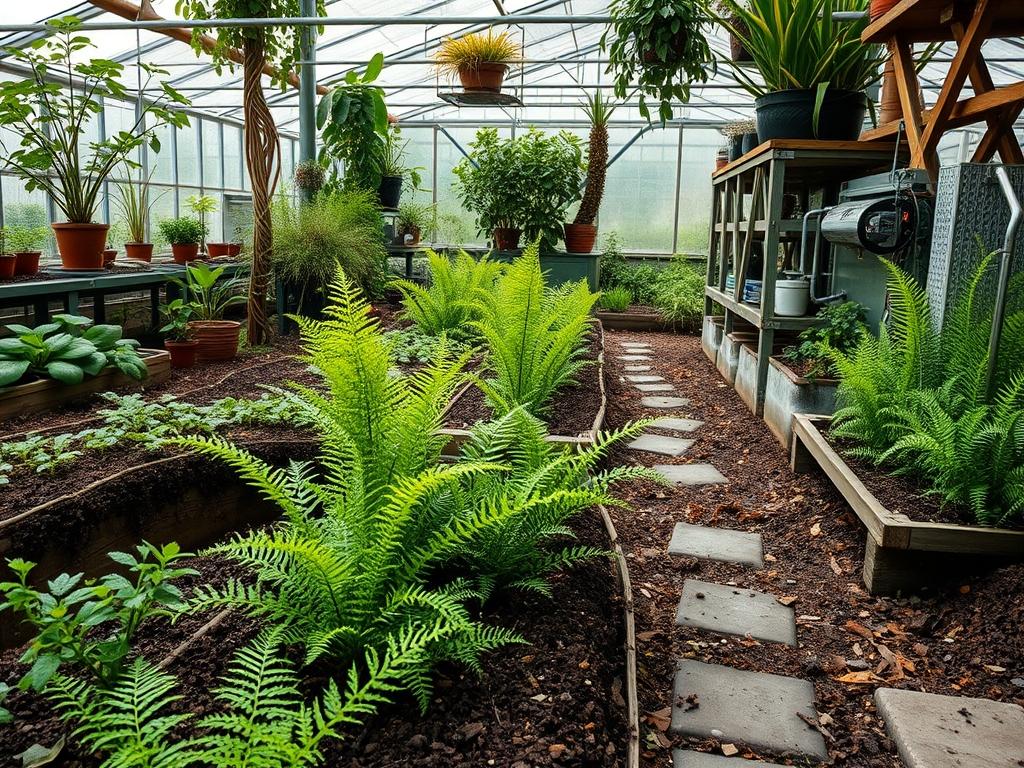
Integrating native flora into a residential or commercial landscape requires more than an aesthetic eye; it demands a deep understanding of ecological niches and long-term site viability. One of the most common challenges in professional landscape design is the management of deep shade and high-moisture zones, where traditional turf or flowering perennials often struggle. Native ferns offer a sophisticated solution to this problem, providing architectural texture, cooling effects, and a lush, primordial atmosphere that enhances curb appeal. While many property owners rely on nursery-bought containers, a senior designer knows that Native Fern Propagation from spores is the most sustainable and cost-effective method for large-scale reforestation or creating expansive forest-floor aesthetics. By cultivating these plants from their microscopic beginnings, we ensure that the specimens are perfectly acclimated to the local microclimate, resulting in a more resilient outdoor environment that serves both functional and ecological goals.
Establishing a private nursery for fern production allows a landscape architect to control the quality and genetic diversity of the plant palette. This is particularly important for projects focused on restoration or those that require a specific visual density impossible to achieve with limited retail stock. Spores, unlike seeds, represent an ancient reproductive strategy that requires patience and precision. The process begins with identifying the fertile fronds of species like the Cinnamon Fern or the Western Sword Fern. When these organisms reach maturity, the undersides of their leaves reveal sori, which are clusters of spore-bearing structures. Harvesting these at the peak of their readiness, usually when they transition from green to a dark brown or black hue, is the first step in a multi-year journey toward a fully realized woodland garden. This level of detail in plant sourcing transforms a standard backyard into a curated botanical sanctuary.
Landscape Design Principles
When planning a layout that features ferns as a primary architectural element, we must adhere to the core principles of symmetry, elevation, and focal points. Ferns possess a unique structural quality; their fronds create a rhythmic pattern that can be used to lead the eye through a space. In a professional landscape, we utilize elevation layers to mimic a natural forest canopy. This involves planting taller species like the Ostrich Fern at the rear of a bed to provide a backdrop, while lower-growing varieties like the Maidenhair Fern occupy the foreground. This layering creates depth and makes small urban lots feel significantly more spacious.
Visual balance is achieved by contrasting the delicate, airy texture of fern foliage against the solid, heavy presence of hardscaping. A stone retaining wall or a slate walkway serves as the perfect foil for the soft curves of a Lady Fern. Furthermore, focal points can be established by grouping a single, dramatic species around a water feature or a large granite boulder. Irrigation planning is equally critical; because ferns thrive in consistent humidity, we often integrate a drip irrigation system or a misting array discreetly beneath the mulch layer. This ensure that the plants receive hydration at the root zone without disturbing the fragile fronds or causing soil erosion on sloped areas.
Plant and Material Selection
Selecting the right species for your specific site conditions is the difference between a thriving ecosystem and a failing investment. Each native fern has evolved to survive in specific soil profiles and light exposures. The following table outlines the requirements for common North American species used in professional grade designs.
| Plant Type | Sun Exposure | Soil Needs | Water Demand | Growth Speed | Maintenance Level |
| :— | :— | :— | :— | :— | :— |
| Ostrich Fern | Part Shade to Shade | Rich, Moist, Loamy | High | Fast | Moderate |
| Maidenhair Fern | Full Shade | Calcareous, Well-drained | Moderate | Medium | High |
| Christmas Fern | Part Shade to Shade | Well-drained, Acidic | Low to Medium | Slow | Low |
| Cinnamon Fern | Part Sun to Shade | Boggy, Wet, Acidic | Very High | Medium | Moderate |
| Western Sword Fern | Part Shade to Shade | Humus-rich, Moist | Moderate | Fast | Low |
| Sensitive Fern | Full Sun to Shade | Wet, Poorly Drained | High | Fast | Low |
In addition to the plants themselves, the materials used during the propagation and installation phases are paramount. For spore propagation, a sterile medium such as sphagnum peat moss or vermiculite is essential to prevent fungal contamination. When these plants are eventually moved into the backyard, we utilize hardwood mulch or leaf mold at a depth of 3 inches to replicate the natural forest floor and retain vital groundwater.
Implementation Strategy
The transition from spore to a functional backyard layout requires a disciplined implementation strategy. Once the spores are collected, they are sown onto the surface of a moist, sterile substrate in a controlled environment. Unlike seeds, spores do not germinate into a plant immediately; they first form a prothallus, a small, heart-shaped structure that facilitates fertilization. This stage requires a constant film of water, which we achieve using a fine mist bottle. After fertilization occurs, the first tiny fronds will appear. These young sporophytes remain in a nursery setting until they are strong enough to withstand the fluctuations of the outdoor climate, typically when they reach a height of 4 to 6 inches.
During the site preparation phase, we focus on grading and drainage. While ferns love moisture, they generally loathe standing water that lacks oxygen, which can lead to root rot. We ensure the ground is graded to allow for slow percolation rather than pooling. Edging is used to define the boundaries between the fern beds and walkways, preventing the aggressive spread of certain species like the Ostrich Fern. When installing the young plants, we dig holes twice the width of the root ball and backfill with a mixture of native soil and organic compost. This ensures the transition from the nursery environment to the land is as seamless as possible, minimizing transplant shock.
Common Landscaping Failures
Even the most well-intended garden plans can fail if fundamental environmental factors are ignored. One of the most frequent mistakes is improper spacing. Designers often overlook the ultimate spread of a mature Western Sword Fern, which can reach 4 feet in width. Overcrowding leads to poor air circulation, which invites pests and powdery mildew. Another critical failure involves soil compaction. Fern roots are often fibrous and shallow; they require aerated soil to thrive. Heavy machinery used during construction can compress the earth, making it impenetrable for delicate root systems. In such cases, we must use a broadfork to loosen the soil without turning it over.
Irrigation inefficiencies also rank high among common failures. Over-head watering during the heat of the day can cause frond scorch, especially in species with thinner leaves. Furthermore, many novice landscapers fail to account for the pH of the soil. While many native ferns prefer slightly acidic conditions, others, such as the Maidenhair Fern, require more alkaline, limestone-rich environments. Failure to test the soil and amend it with elemental sulfur or lime accordingly will result in stunted growth and chlorosis.
Seasonal Maintenance
Maintenance in a professional fern landscape is a year-round commitment that shifts with the seasons. In the Spring, the focus is on cleanup and fertilization. Before the new fiddleheads emerge, we remove the dead, brown fronds from the previous year to improve airflow and aesthetic clarity. A light application of balanced organic fertilizer can be applied at this time. As we move into Summer, the priority shifts to moisture management. During heatwaves, we monitor the mulch depth and ensure the irrigation system is functioning at peak efficiency.
In the Autumn, we allow the falling leaves from overstory trees to accumulate naturally around the base of the ferns, providing a natural insulation layer for the winter. This mimics the natural lifecycle of the forest and returns nutrients to the soil. Finally, Winter is a period of dormancy. For evergreen species like the Christmas Fern, the winter months are a time of visual interest when most other plants have died back. We avoid heavy pruning during this time, instead using the season to plan for any necessary divisions or new spore collections for the following year.
Professional Landscaping FAQ
What is the best medium for sowing fern spores?
A sterile mixture of peat moss and perlite is ideal. Avoiding garden soil is crucial because it contains fungi and weed seeds that can easily overwhelm the slow-growing prothallus during the early stages of development.
How long does it take for a spore to become a plant?
The process is gradual; it typically takes between 6 to 12 months for a recognizable fern sporophyte to emerge. It may take an additional two years before the plant is large enough for outdoor installation.
Can native ferns handle direct sunlight?
Most native ferns, such as the Lady Fern, require filtered light or shade. However, the Sensitive Fern can tolerate more sun if the soil stays consistently wet. Always check individual species requirements for the best results.
How deep should I apply mulch in a fern garden?
A depth of 2 to 3 inches is standard. This provides sufficient moisture retention and weed suppression without burying the crown of the plant, which could lead to decay and health issues over time.
When is the best time to divide mature ferns?
Division is most successful in the Early Spring as the new growth begins to emerge. This allows the root system to establish itself in the cool, moist soil before the stresses of the summer heat arrive.