
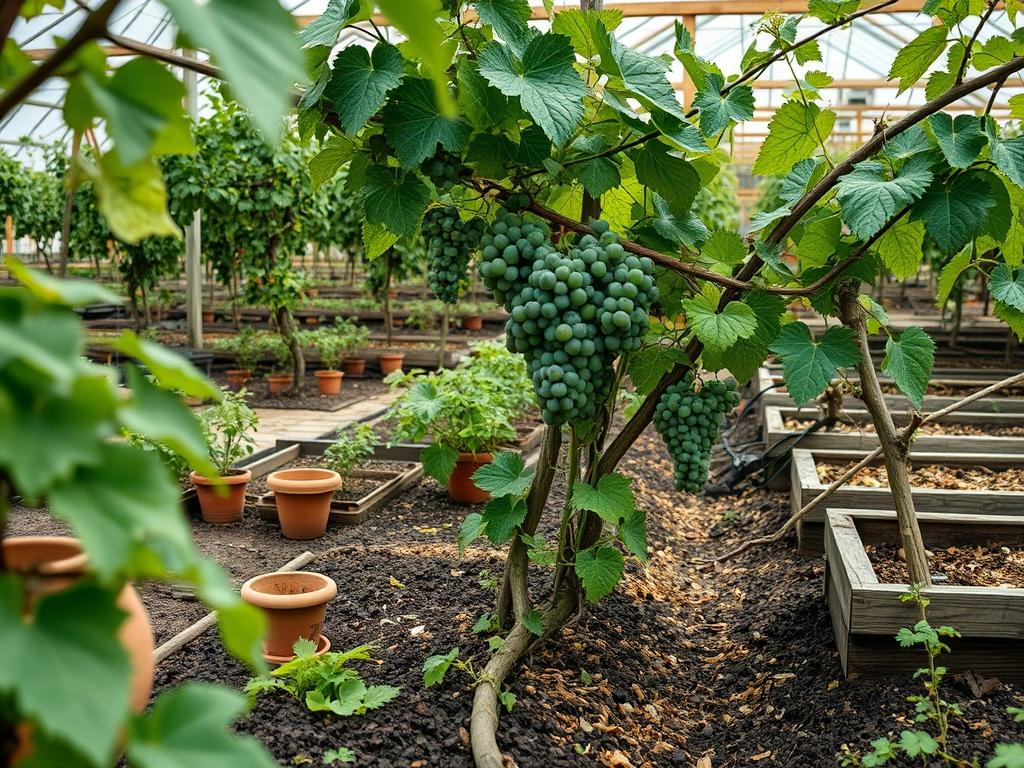
Integrating grapevines into a residential or commercial landscape provides more than just a source of fresh fruit; it introduces a sophisticated architectural element that bridges the gap between functional agriculture and high end aesthetic design. When we approach Traditional Grape Pruning from a landscape architecture perspective, we must consider the plant as a structural asset. The primary challenge involves balancing the vigorous, often chaotic growth of the Vitis genus with the clean lines required for curb appeal and outdoor functionality. In diverse climates, from Mediterranean zones to humid continental regions, the grapevine serves as a versatile tool for creating shade, defining boundaries, and providing seasonal interest. A well designed vineyard element acts as a living tapestry, but without a rigorous pruning strategy, it quickly descends into a neglected thicket that attracts pests and yields subpar fruit. Heavy yields are not merely a result of luck; they are the direct outcome of precise geometry and systemic biomass management.
Every successful landscape installation begins with an assessment of the site microclimate. For grapevines, this means identifying the hottest, most sun drenched areas of the property. Grapes require a minimum of eight hours of direct sunlight to develop the sugars necessary for high quality fruit. From a design standpoint, the vineyard should work in harmony with the existing topography. Utilizing south facing slopes not only optimizes solar gain but also facilitates natural cold air drainage, which protects tender buds from late spring frosts. By treating the vineyard as a functional outdoor room, we can use the vines to screen unsightly utilities or create intimate, shaded corridors under Pergolas and Arbors.
Landscape Design Principles
When designing a landscape that features heavy yielding grapevines, symmetry and focal points take center stage. A vineyard layout should feel intentional, often following a linear or grid based pattern that provides clear sightlines across the property. Elevation layers are critical; the use of a Post-and-Wire Trellis system allows the architect to control the vertical plane of the garden. By training vines to a specific height, typically thirty-six inches for the first wire and sixty inches for the second, we create a consistent horizon line that satisfies the human eye’s desire for order.
Irrigation planning must be integrated into the initial design phase to ensure the root zones receive deep, consistent hydration without wetting the foliage, which can lead to fungal diseases like Powdery Mildew. Subsurface drip irrigation systems are preferred for their efficiency and aesthetic invisibility. Furthermore, walkways between rows should be wide enough, ideally eight feet, to allow for easy passage of maintenance equipment or garden carts. The visual balance is achieved by pairing the rugged, textured bark of aged vines with clean hardscaping materials like Decomposed Granite, Flagstone, or polished River Rock. These materials provide a high contrast backdrop that highlights the intricate branch structure of the vines during the dormant winter months.
Plant and Material Selection
| Plant Type | Sun Exposure | Soil Needs | Water Demand | Growth Speed | Maintenance Level |
| :— | :— | :— | :— | :— | :— |
| Vitis vinifera (Wine Grapes) | Full Sun | Well Drained, Sandy | Moderate | Fast | High |
| Vitis labrusca (Concord) | Full Sun | Loamy, Acidic | High | Very Fast | Moderate |
| Muscadine Grapes | Full Sun | Sandy, Fertile | Low | Moderate | Low |
| Seedless Table Grapes | Full Sun | Deep, Rich Soil | Moderate | Fast | High |
| Ornamental Grapes | Full Sun/Part Shade | Adaptable | Low | Moderate | Low |
| Cedar Posts (Support) | N/A | Pressure Treated | N/A | N/A | Low |
Implementation Strategy
The transition from a conceptual drawing to a productive vineyard requires a methodical implementation strategy. Begin with professional Grading to ensure the site sheds excess water. Grapes are notoriously sensitive to “wet feet,” and poor drainage will result in stunted growth or root rot. Once the grade is established, the installation of the support structure is the most critical hardscaping task. Use Four-by-Four Cedar Posts or heavy duty Steel T-Posts anchored at least twenty-four inches into the ground. For a standard backyard row, space the posts every ten feet to prevent wire sagging under the weight of a heavy crop.
For the edging, choose a durable material like Weathering Steel or Stone Pavers to define the planting beds and keep turf grass from encroaching on the vine mounds. Apply a three inch layer of Hardwood Mulch or Organic Compost around the base of each vine, keeping the material a few inches away from the trunk to prevent moisture buildup against the bark. This mulch layer conserves water and suppresses weeds while slowly contributing nutrients to the soil. When planting the dormant vines, dig a hole twice as wide as the root ball and ensure the graft union remains at least two inches above the finished soil line.
The actual execution of Traditional Grape Pruning takes place in late winter. The goal is to remove between eighty percent and ninety percent of the previous year’s growth. There are two primary methods: Cane Pruning and Spur Pruning. In Cane Pruning, you select two to four strong One-Year-Old Canes that are roughly the thickness of a pencil and prune them back to ten to fifteen buds each. These canes are then tied to the trellis wires. In Spur Pruning, you maintain a permanent horizontal arm, or Cordon, and prune the side shoots back to small “spurs” containing only two to three buds. Using high quality Bypass Pruners, make clean, angled cuts roughly one inch above a bud to ensure rapid healing.
Common Landscaping Failures
The most frequent error in vineyard landscaping is improper spacing, which leads to root overcrowding and poor air circulation. When vines are planted too close together, they compete for nutrients and create a dense canopy that traps humidity, inviting disease. Another common failure is neglecting the Dormant Season pruning. Many homeowners fear that aggressive cutting will kill the plant, but the opposite is true; failing to prune results in a massive amount of “blind wood” that produces no fruit.
Soil compaction is another silent killer in the landscape. Heavy foot traffic or construction equipment used during the installation of nearby hardscapes can crush the soil structure, preventing oxygen from reaching the roots. Furthermore, irrigation inefficiencies often stem from overhead sprinklers. Watering grapes from above significantly increases the risk of Downy Mildew and fruit rot. Always transition to a dedicated drip line or a Soaker Hose system. Finally, many designers fail to account for the weight of the mature vine. A flimsy trellis made of thin lath will eventually buckle under the hundreds of pounds of fruit and foliage produced during a peak harvest year.
Seasonal Maintenance
Spring management focuses on growth control and nutrition. As the buds break, apply a balanced 10-10-10 Fertilizer or a rich layer of Compost Tea to jumpstart the season. This is also the time for “suckering,” which involves removing unwanted shoots that emerge from the trunk or the base of the vine. These shoots sap energy from the fruiting canes and should be rubbed off as soon as they appear.
During the summer, the emphasis shifts to canopy management. Use Gardening Shears to thin out excess leaves around the developing fruit clusters. This practice, known as “leaf pulling,” ensures the grapes receive enough sunlight to ripen and allows wind to move through the canopy. Monitor the soil moisture closely during heatwaves, ensuring the water penetrates at least twelve inches deep.
In the autumn, the primary task is the harvest and subsequent cleanup. Remove any fallen fruit or “mummies” from the ground to prevent pests and fungi from overwintering in the soil. As the leaves turn yellow and drop, take note of which canes performed best; these will be your primary candidates for the next round of pruning.
Winter is the most active season for the grape architect. Once the vine is fully dormant, usually in January or February, perform the heavy structural pruning. This is also the ideal time to inspect the trellis system for tension. Over time, wires will stretch and posts may shift; use a Wire Strainer or a Turnbuckle to tighten the lines, ensuring the structure is ready to support the massive biomass of the coming spring.
Professional Landscaping FAQ
What is the best time of year to prune grapes for maximum yield?
Pruning is best performed in late winter while the vines are dormant. This usually occurs between January and early March. Pruning during this window stimulates vigorous spring growth and prevents the vine from “bleeding” excessive sap during the active season.
How many buds should be left on a vine after pruning?
For a healthy, mature vine, aim to leave between thirty and sixty buds total across the entire structure. Leaving too many buds leads to overcropping and small, sour fruit; leaving too few can result in excessive vegetative growth with no harvest.
Can I grow grapes in a small urban backyard?
Yes, grapes are ideal for small spaces because they grow vertically. By using a single post or a wall mounted Trellis System, you can produce significant yields in a footprint as small as two square feet while providing a lush green screen.
Why are my grapevines producing plenty of leaves but no fruit?
This is often caused by over fertilization with nitrogen or insufficient pruning. If the vine is not cut back aggressively in the winter, it spends its energy maintaining old wood rather than producing new, fruiting canes that emerge from year old wood.
Do I need to use chemicals to keep my grapes healthy?
While some regions require fungicides, many issues can be solved through design. Proper spacing, choosing resistant varieties like Muscadines, and practicing “leaf pulling” to increase airflow can significantly reduce the need for chemical interventions in a home landscape.