
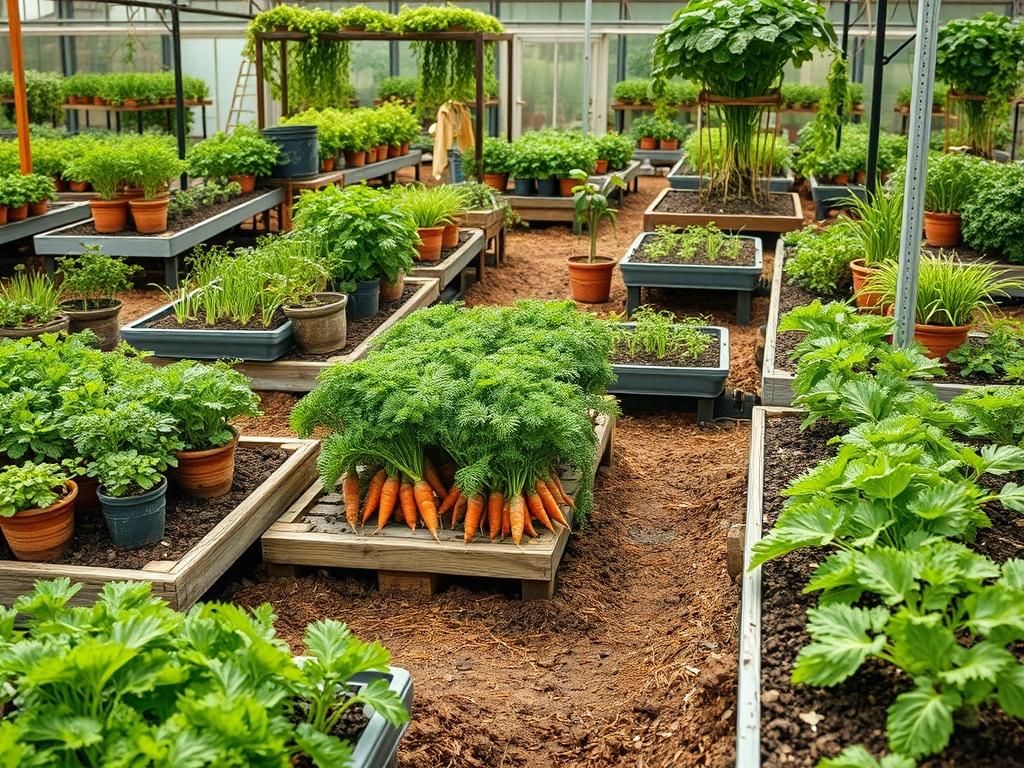
Integrating productive horticultural cycles into a permanent residential landscape requires a sophisticated understanding of plant life cycles and spatial management. While most homeowners view vegetables as seasonal fillers that are harvested and cleared within a single quarter, the process of Saving Carrot Seeds transforms a standard garden bed into a multi year architectural project. This biennial commitment presents a unique challenge for the landscape architect. We must balance the utilitarian need for seed maturation with the aesthetic requirements of high end curb appeal. Because carrots require two full growing seasons to produce flowers and seeds, the design must account for a plant that will transition from a low, feathery groundcover in its first year to a tall, structural flowering specimen in its second. Successful integration depends on site analysis, soil preparation, and a strategic layout that treats these productive zones as deliberate design features rather than neglected patches of the backyard.
The primary landscape challenge lies in the transition of the carrot plant itself. During the first year, the foliage is dense and vibrant, fitting well into the front of a herbaceous border. However, as the plant enters its second year to facilitate Saving Carrot Seeds, it draws energy from its taproot to send up a flowering stalk that can reach heights of 48 inches. This change in elevation must be planned for within the garden’s vertical layering. In a high traffic outdoor living space, these tall stalks can become floppy or appear unkempt if not supported by appropriate hardscape elements or companion plantings. Furthermore, the climate plays a critical role. In regions with harsh winters, the landscape must be designed to protect the roots from freezing while maintaining enough drainage to prevent rot during the spring thaw. By approaching the carrot seed journey as a structural component of the garden, we can ensure the outdoor environment remains functional and visually striking throughout the twenty four month process.
Landscape Design Principles
Effective landscape design for a biennial seed project rests on the principles of symmetry and rhythmic repetition. To prevent the seed-saving area from looking cluttered, we recommend using steel edging or limestone retaining walls to define the boundaries of the production zone. Symmetry can be achieved by flanking a central walkway with identical seed beds. This creates a formal appearance that masks the transitional nature of the plants. When the carrots reach their flowering stage, their white, umbrella-like clusters, known as umbels, act as a textural focal point. These should be positioned in the middle or rear of a planting bed, using the principles of elevation layering to ensure they do not obscure smaller, low-lying species.
Visual balance is equally important when the second year stalks begin to brown and dry. To maintain curb appeal during this phase of Saving Carrot Seeds, we utilize the concept of screening. Planting evergreen shrubs like Boxwood or Dwarf Yew in front of the carrot beds provides a permanent green frame that hides the lower, drying foliage of the seed-bearing plants. Additionally, the irrigation planning must be precise. Because the seeds require a period of dry weather to mature on the stalk, the landscape should be divided into hydrozones. This allows the architect to provide consistent moisture to the surrounding ornamental plants via low-flow drip emitters while tapering off water delivery to the carrots as they reach the final stages of seed maturation in late summer.
Plant and Material Selection
| Plant Type | Sun Exposure | Soil Needs | Water Demand | Growth Speed | Maintenance Level |
| :— | :— | :— | :— | :— | :— |
| Carrot (Daucus carota) | Full Sun | Sandy Loam | Moderate | Slow/Biennial | High |
| French Marigold | Full Sun | Well Drained | Low | Fast | Low |
| Lavender | Full Sun | Gritty/Alkaline | Very Low | Moderate | Medium |
| River Rock | N/A | Drainage Layer | None | N/A | Low |
| Shredded Cedar Mulch | N/A | Moisture Barrier | None | N/A | Medium |
Implementation Strategy
The implementation of a seed-saving landscape begins with site grading and soil engineering. Carrots require deep, friable soil to develop the strong taproots necessary for a vigorous second year flowering. We recommend excavating the designated area to a depth of 18 inches and backfilling with a custom blend of 70 percent sandy loam and 30 percent organic compost. This ensures the roots can expand without meeting resistance from compacted subsoil or heavy clay. Proper drainage is the most vital technical requirement; if the crown of the carrot sits in standing water during the winter months, the root will succumb to fungal pathogens, terminating the seed saving project before it reaches the second season.
Once the grade is established, define the garden beds using 6 inch professional grade aluminum edging. This prevents the encroachment of turf grass and maintains a crisp line for visitors. Install a dedicated PVC irrigation manifold with independent zones for the biennial crops. In the first year, the focus is on root development. Apply a 3 inch layer of organic mulch to regulate soil temperature and conserve moisture. As the second year begins, install bamboo stakes or discreet wire cages to provide structural support for the tall flower stalks. This hardscaping step is crucial for maintaining the intended geometry of the landscape, as it prevents the heavy seed heads from leaning into walkways or onto neighboring plants.
Common Landscaping Failures
One of the most frequent failures in the pursuit of Saving Carrot Seeds is improper spacing, leading to root overcrowding. When carrots are packed too tightly, they compete for nutrients and fail to store enough energy in the taproot to survive the winter. This results in weak, spindly flower stalks that produce inferior seeds. Another common mistake involves soil compaction. High foot traffic near the root zone can squeeze the air out of the soil, suffocating the delicate hair roots that provide the plant with water and minerals. We mitigate this by designing permanent flagstone walkways or decomposed granite paths that direct traffic away from the planting beds.
Irrigation inefficiencies also plague many biennial projects. Overhead watering should be avoided once the carrot umbels have flowered, as trapped moisture can lead to mold or premature seed sprouting. Instead, a well-planned landscape will utilize a sub-surface irrigation system that delivers water directly to the root zone. Furthermore, many designers fail to account for the risk of cross-pollination. If wild carrot, also known as Queen Annes Lace, is present within 500 feet of the garden, the integrity of the saved seeds may be compromised. Removing these wild varieties from the immediate perimeter is a necessary maintenance task for any professional seed-saving operation.
Seasonal Maintenance
Spring maintenance focuses on site preparation and the emergence of second-year plants. As the soil warms, remove the heavy winter mulch and apply a light application of balanced organic fertilizer to stimulate the growth of the flowering stalk. Inspect the irrigation lines for leaks and ensure the drip emitters are clear of debris. By mid-spring, the first-year crops should be thinned to a minimum of 4 inches apart to ensure robust root growth.
In the summer, the priority shifts to moisture management and structural integrity. During the hottest months, maintain a consistent hydration schedule for first-year carrots to prevent them from becoming woody. For the second-year plants, monitor the development of the umbels and ensure they are properly tethered to their supports. Autumn is the season of harvest for Saving Carrot Seeds. Once the seed heads have turned brown and curled inward, they are ready for collection. This is also the time to prepare the next generation of roots for winter by applying a 6 inch layer of clean straw or shredded bark for insulation.
Winter maintenance is largely passive but no less important. In regions with significant snowfall, ensure that the weight of the snow does not collapse the protective structures around the dormant roots. If the ground does not stay frozen, monitor for excessive moisture and adjust the drainage if necessary. Throughout the winter, check the stored seeds for any signs of moisture or pest damage, ensuring the two-year journey ends with a high-quality product ready for the next planting season.
Professional Landscaping FAQ
How does seed saving affect my curb appeal?
By using ornamental grasses and structured hedges, you can frame the biennial cycle of carrots. The flowering stage adds a delicate, airy texture that mimics high end meadow designs while providing a functional harvest.
What is the best soil for carrot seed production?
A well-draining sandy loam with a pH between 6.0 and 7.0 is ideal. Avoiding heavy clay ensures the taproots develop fully, which is essential for the plant to survive and flower in its second year.
How do I prevent carrot stalks from falling over?
Integrate discreet staking systems or low wire fencing early in the second year. Strategic placement within the landscape allows surrounding plants to provide natural structural support without detracting from the overall aesthetic of the garden.
Can I save seeds in a small urban garden?
Yes, provided you maintain a 200 foot barrier from other carrot varieties. Using raised beds with integrated irrigation allows for professional-grade seed production in limited spaces while maintaining a clean, modern landscape appearance.
Does mulch depth matter for biennial crops?
Absolutely. A 3 to 4 inch mulch layer protects the root crown from temperature fluctuations. Using shredded cedar or pine bark also adds a finished look to the beds, enhancing the professional quality of your landscape.