
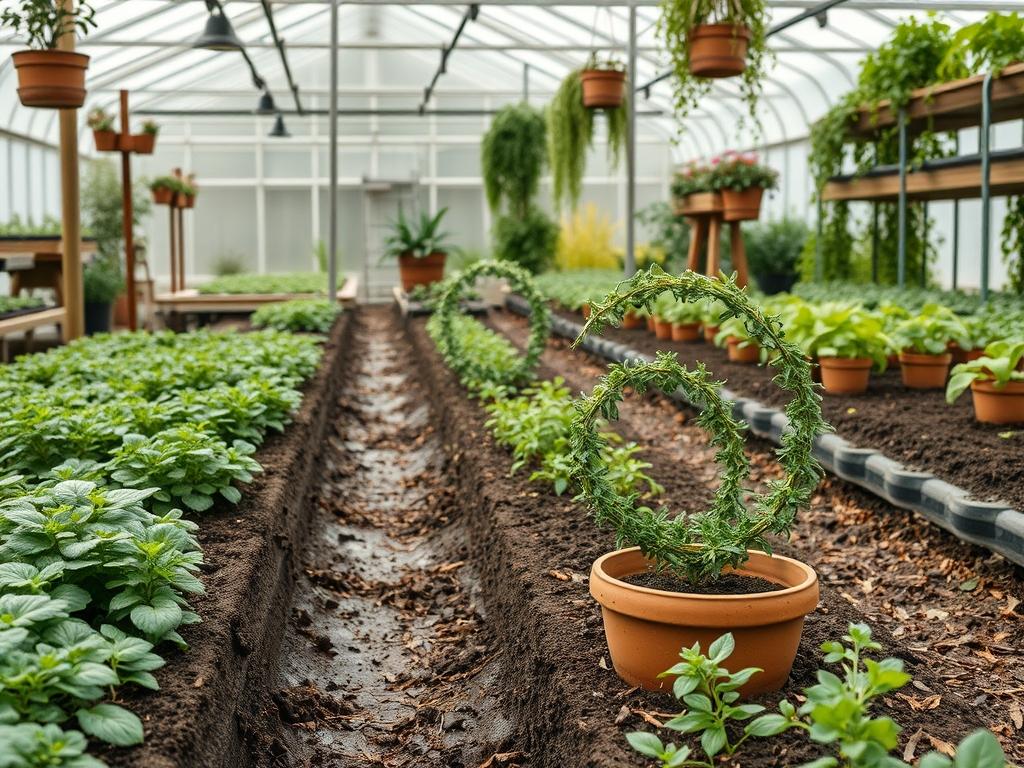
Most property owners find themselves caught between the desire for a lush, productive garden and the reality of limited square footage. Traditional horizontal planting beds often lead to inefficient water use, back-straining maintenance, and a lack of visual interest. Designing herb spirals offers a sophisticated solution to these common landscaping challenges by utilizing vertical space and creating localized microclimates within a manageable footprint. From a consultant’s perspective, the herb spiral represents the pinnacle of functional garden design, blending the mathematical beauty of the Fibonacci sequence with the practical requirements of modern horticulture. This structure not only improves the curb appeal of a backyard but also serves as a high-performance engine for culinary productivity. By stacking plants vertically, we can maximize sun exposure for heat-loving species while providing shade and moisture for delicate greens, all within a diameter of only 5 to 6 feet.
Landscape Design Principles
The success of a herb spiral relies on the deliberate application of elevation and thermal mass. Unlike flat garden rows, a spiral utilizes a three-dimensional gradient to create diverse growing conditions. The peak of the structure, which typically stands about 3 feet high, remains the driest and hottest point. This elevation facilitates rapid drainage, which is essential for Mediterranean species. As the spiral winds downward, the soil retains more moisture and the structure itself casts varying degrees of shadow depending on the sun’s trajectory. This creates a spectrum of hydro-zones and light zones that allow a landscape architect to site plants according to their specific biological niches.
Symmetry and focal points are critical for maintaining aesthetic balance in a residential landscape. A herb spiral acts as a living sculpture, drawing the eye with its winding geometry. When selecting materials, the use of Natural Fieldstone, Red Clay Bricks, or Basalt Boulders provides the necessary thermal mass to regulate soil temperature. These materials absorb solar energy during the daylight hours and radiate warmth back into the soil at night, extending the growing season into the cooler months of autumn. This thermal regulation is a hallmark of intelligent landscape design, allowing for a more resilient outdoor environment that can withstand minor temperature fluctuations without the need for synthetic covers or expensive heating elements.
Plant and Material Selection
Selecting the right plants involves more than just culinary preference; it requires an understanding of how each species interacts with the specific environment created by the spiral. The following table outlines the ideal candidates for a standard herb spiral installation.
| Plant Type | Sun Exposure | Soil Needs | Water Demand | Growth Speed | Maintenance |
| :— | :— | :— | :— | :— | :— |
| Rosemary | Full Sun | Sandy/Gravelly | Low | Moderate | Low |
| Thyme | Full Sun | Highly Drained | Low | Fast | Minimal |
| Lavender | Full Sun | Alkaline/Poor | Low | Slow | Pruning |
| Sage | Partial Sun | Loamy/Drained | Moderate | Moderate | Moderate |
| Chives | Partial Sun | Rich/Moist | Moderate | Fast | Dividing |
| Cilantro | Partial Shade | Humus-rich | High | Fast | Re-seeding |
| Mint | Full Shade | Wet/Clay-heavy | High | Aggressive | Containment |
| Parsley | Partial Shade | Moisture-retentive | High | Moderate | Low |
Implementation Strategy
Planning the layout begins with selecting a site that receives a minimum of 6 hours of direct sunlight. The builder should start by marking a circle with a diameter of approximately 5 feet using a Gardening Reel or a Measuring Tape. To prevent weeds from infiltrating the structure, clear the existing turf and lay down a layer of Heavy-duty Cardboard or Geotextile Weed Barrier. This prevents invasive grass roots from competing with the herbs.
Construction of the retaining walls should begin at the outer edge, using Stacked Fieldstone or Masonry Blocks. The wall should slowly rise in height as it spirals inward toward the center. It is vital to use Crushed Gravel or 1-inch Drainage Stone at the very base of the spiral’s center to ensure that the vertical column does not become waterlogged. As the walls are built, fill the interior with a custom soil mix. At the highest point, the soil should be a blend of Sharp Sand and Perlite to mimic an arid environment. Moving down the spiral, transition the mix to include more Organic Compost and Peat Moss to increase water retention for the thirsty plants at the base. Finally, apply a 2-inch layer of Hardwood Mulch or Pine Straw to the lower sections to maintain moisture levels, while leaving the top sections grittier to reflect heat.
Common Landscaping Failures
The most frequent mistake in designing herb spirals is neglecting the structural integrity of the base. Without a solid foundation, the weight of the saturated soil can cause the perimeter walls to bulge or collapse over time. Using Landscape Adhesive for the top course of stones can prevent accidental shifting. Another common failure is improper drainage planning. If the center of the spiral lacks a core of Coarse Gravel, water will pool in the middle rather than migrating downward toward the moisture-loving plants. This leads to root rot in the Mediterranean herbs situated at the peak.
Planting density is another area where many DIY landscapers stumble. There is a tendency to over-plant the spiral immediately after construction. However, one must account for the mature width of species like Rosemary or Lavender, which can easily span 24 inches. Crowding these plants inhibits airflow, which increases the risk of fungal infections like powdery mildew. Lastly, failing to account for the aggressive nature of Mint can result in the entire spiral being overtaken within a single season. Designers should always plant Mint in a buried 12-inch Plastic Pot at the base of the spiral to contain its rhizomatic root system.
Seasonal Maintenance
To keep the herb spiral performing at its peak, a seasonal management schedule is necessary. In the spring, gardeners should focus on removing dead wood from perennial herbs and replenishing the top 3 inches of the soil with a High-quality Compost to kickstart growth. This is also the ideal time to check the structural alignment of the stones, as winter freeze-thaw cycles can occasionally shift the masonry.
During the summer, irrigation becomes the priority. Use a Soaker Hose or a Drip Irrigation System wrapped into the spiral to deliver water directly to the roots without wetting the foliage. This efficiency reduces water waste by up to 50 percent compared to overhead spraying. In autumn, harvest the remaining annuals and apply a thick layer of Straw or Refined Mulch over the woody perennials to insulate the root zones against the coming frost. Winter maintenance is largely passive, though it is a good time to sharpen your Pruning Shears and plan for any necessary plant rotations in the following cycle.
Professional Landscaping FAQ
How large should a herb spiral be?
A standard design should be between 5 and 6 feet in diameter. This allows the gardener to reach the center from any side without stepping into the bed, preventing soil compaction and protecting the delicate root systems of the herbs.
What is the best material for the walls?
Natural Stone is superior because it provides the highest thermal mass, absorbing heat during the day and releasing it at night. This regulates soil temperature and helps your herbs survive unexpected thermal shifts in early spring or late autumn.
Can I build a spiral on a slope?
Yes, but you must first level the site by creating a small Retaining Wall on the downhill side. Ensuring the base is level is critical so that water drains evenly through the soil profile rather than washing out one side.
Does a herb spiral need a dedicated water line?
While not mandatory, installing a 1/4-inch Drip Line connected to an automatic timer is highly recommended. This ensures that the moisture-loving plants at the bottom receive consistent hydration while the upper plants stay relatively dry and well-drained.
How do I prevent the soil from washing away?
Properly layering your materials is the key. Use Fine Mesh Screen at the base of the drainage holes and ensure your soil mix has enough organic matter to bind together. Applying a Light Mulch will also provide a protective surface layer.