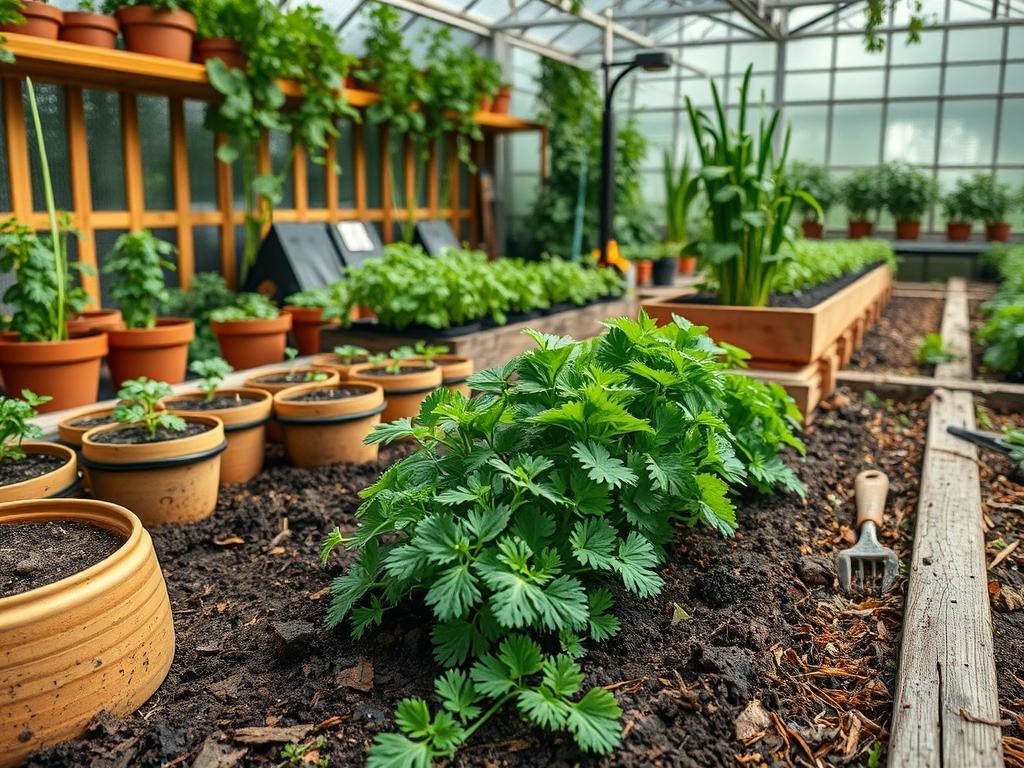
Integrating Petroselinum crispum, commonly known as parsley, into a high-end landscape design requires a nuanced understanding of both aesthetic layering and the botanical lifecycle. Most homeowners view parsley as a decorative garnish or a simple culinary herb, yet from a professional landscape architecture perspective, it serves as a versatile ground-plane filler that bridges the gap between structured hardscaping and airy perennials. The challenge in maintaining an elegant outdoor environment lies in the plant’s biennial nature. Because parsley spends its first year producing lush foliage and its second year developing flower stalks, the transition can disrupt the symmetry of a formal garden if not managed with foresight. Planning for the eventual goal of Saving Parsley Seeds allows a designer to create a self-sustaining cycle, reducing the need for repeated seasonal replanting while ensuring the landscape remains ecologically vibrant.
The success of a landscape that includes parsley depends heavily on site analysis and climate considerations. In temperate regions, providing the correct microclimate through the use of Retaining walls or Natural stone borders can extend the growing season and facilitate successful overwintering. These structural elements act as thermal masses, absorbing heat during the day and radiating it back to the soil at night. This thermal regulation is critical for the survival of the central taproot during frost events. When a client requests a garden that balances curb appeal with functionality, a landscape architect must look beyond the green leaves. We must consider how the second-year seed heads, which can reach heights of 24 inches to 30 inches, will impact the visual balance of the space.
Landscape Design Principles
Symmetry and focal points are the cornerstones of a professional garden layout. Parsley, with its dense and ruffled texture, is an ideal candidate for edging along Flagstone walkways or as a low-level layer in a tiered planting bed. By using parsley as a living border, we create a soft transition between the hard lines of a Granite paver and the taller, more erratic growth of shrubs or ornamental grasses. This elevation layering is essential for visual depth. The low profile of first-year parsley keeps the eye moving toward architectural features like a Fountain or a Pergola, while providing a consistent green base that hides the bare lower stems of larger plants.
Irrigation planning is another vital design principle that cannot be overlooked. Parsley requires consistent moisture, which necessitates the installation of a Drip irrigation system hidden beneath a layer of Organic mulch. In a professional design, we use Pressure-compensating emitters to ensure even water distribution across varying elevations. This prevents the “high and dry” or “low and soggy” issues that often plague amateur gardens. Visual balance is maintained through the repetitive use of the plant across different garden rooms, creating a sense of unity throughout the property. When the plant enters its second year to begin the process of Saving Parsley Seeds, its taller, umbel-bearing stalks act as a temporary vertical element, which can be balanced by neighboring perennials like Salvia or Echinacea.
Plant and Material Selection
Selecting the right variety of parsley and the appropriate supporting materials is the foundation of a durable landscape. The following table outlines the technical requirements for integrating these plants into a managed environment.
| Plant Type | Sun Exposure | Soil Needs | Water Demand | Growth Speed | Maintenance Level |
| :— | :— | :— | :— | :— | :— |
| Flat-Leaf (Italian) | Full Sun to Partial Shade | Loamy, Well-drained | Moderate (1 inch/week) | Medium | Low to Moderate |
| Curly-Leaf | Full Sun to Partial Shade | Humus-rich | High | Medium | Moderate |
| Hamburg (Root) | Full Sun | Deep, Sandy Loam | Moderate | Slow | High |
In addition to the plants, the selection of Soil amendments is critical. We recommend a blend of Sphagnum peat moss, Perlite, and Aged compost to ensure a Soil pH between 6.0 and 7.0. For the hardscaping components, using Polymeric sand between pavers helps prevent weed encroachment into the parsley beds, maintaining a clean and professional appearance.
Implementation Strategy
The implementation of a parsley-centric landscape begins with precise Grading. A 2 percent slope away from the home’s foundation ensures that excess rainwater does not pool around the delicate crowns of the plants. Once the grade is established, we mark the edges of the beds using Steel edging or Tumbled stone to create a clear definition between the lawn and the garden. Before planting, a Slow-release granular fertilizer should be incorporated into the top 6 inches of the soil.
When planting for the purpose of Saving Parsley Seeds, spacing is paramount. While a dense look is often preferred for curb appeal, the plants need at least 12 inches of space between them to allow for the significant expansion of the flower stalks in the second year. After the seedlings are in place, a 3-inch layer of Hardwood mulch is applied to the surface. This mulch serves three purposes: it suppresses competitive weeds, retains necessary moisture, and protects the soil from compaction during heavy rain.
As the second year approaches, the strategy shifts toward seed preservation. To successfully accomplish Saving Parsley Seeds, the landscape must remain undisturbed. When the plant produces its yellow-green flower clusters, we monitor them closely for maturation. The seeds should be harvested only when they have turned from green to a dark brown, almost charcoal color. During this phase, it is useful to use Small mesh bags tied over the flower heads to catch seeds as they fall, ensuring that the next generation of plants is captured before they disperse into the surrounding Gravel or Turf.
Common Landscaping Failures
The most frequent failure in herb-integrated landscapes is a lack of adequate drainage. Parsley is highly susceptible to Crown rot if the soil remains saturated for extended periods. This often occurs when a Landscape contractor fails to account for heavy clay content in the native soil. To remedy this, we often recommend the construction of Raised beds at least 12 inches high, filled with a custom-blended Potting medium.
Another common mistake is improper spacing leading to root overcrowding. While a tightly packed border looks impressive in a marketing photo, it creates a stagnant air environment that invites Powdery mildew and Aphids. Furthermore, soil compaction from heavy foot traffic near the garden beds can suffocate the roots. We mitigate this by designing specific Walking paths using Decomposed granite or Stepping stones, which direct traffic away from the sensitive planting areas. Finally, erratic irrigation schedules can cause the plants to bolt prematurely or suffer from nutrient lock-out, emphasizing the need for an Automatic irrigation controller.
Seasonal Maintenance
Landscape management is a year-round commitment. In the spring, the focus is on clearing away the previous year’s debris and checking the Irrigation lines for leaks or clogs. This is the time to apply a fresh layer of Compost to provide the nitrogen necessary for lush leaf growth. As summer progresses, regular deadheading of the flowers may be skipped if the primary goal is Saving Parsley Seeds; however, if the client prefers a tidy look, a compromise can be made by leaving only a few select plants in the back of the bed to go to seed.
Autumn maintenance involves preparing the plants for the cold. In colder USDA Hardiness Zones, we recommend covering the crowns with Evergreen boughs or a Thick straw mulch once the ground freezes. This prevents the freeze-thaw cycle from heaving the taproot out of the soil. Winter is the time for planning. By reviewing the seed harvest from the previous season, we can determine the quantity of new starts required for the spring. The dried seeds should be stored in Airtight glass jars in a cool, dark location, such as a Climate-controlled garage or a Basement.
Professional Landscaping FAQ
How do I prevent parsley from looking messy when it goes to seed?
Integrate the parsley into the middle layer of your planting bed. Use taller perennials like Lavender or Boxwood to partially screen the drying stalks while they mature for Saving Parsley Seeds.
What is the best way to handle poor soil drainage for herbs?
Install a French drain or create an Elevated berm. Incorporating Coarse sand and Organic matter into the planting site will also improve the internal drainage and prevent root rot during wet seasons.
Can I move my parsley plants to a new location in the autumn?
Parsley has a long taproot that makes transplanting difficult once established. It is better to direct-sow seeds or use Biodegradable peat pots to minimize root disturbance during the initial implementation of your landscape plan.
How much mulch is too much for a parsley border?
Maintain a depth of 2 to 3 inches. Ensure the mulch does not touch the crown of the plant directly, as this can trap moisture against the stem and lead to fungal infections and decline.
When exactly should I harvest the seeds for the best germination?
Wait until the Umbel (the flower head) is completely dry and the seeds are dark brown. Use Pruning shears to cut the entire stalk and place it in a Paper bag to finish drying indoors.