
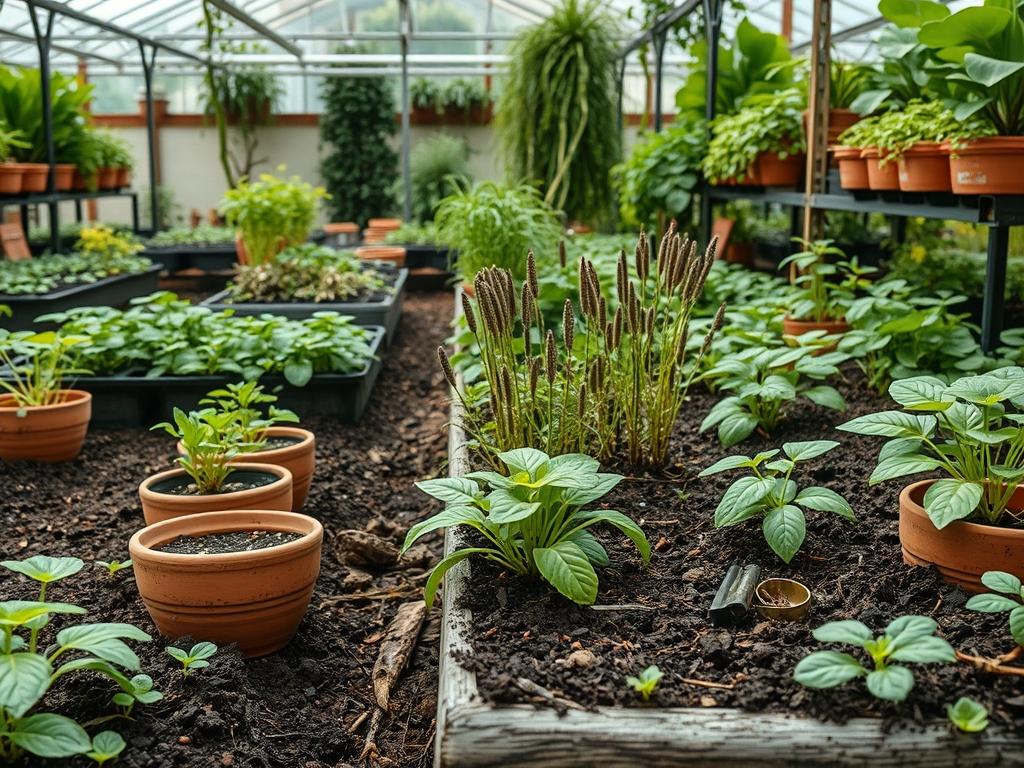
Landscape design serves as the sophisticated intersection of architecture, biology, and environmental engineering. When we approach a site, we are not merely selecting aesthetically pleasing flora; we are constructing a living, breathing ecosystem that must remain balanced to provide lasting curb appeal and functionality. One of the most persistent challenges in maintaining a high-end landscape is managing the micro-climates that favor soil-borne pests. Among these, the fungus gnat is a formidable adversary for both interior courtyards and damp garden beds. While often viewed as a minor nuisance, a significant infestation indicates a deeper failure in the site drainage or a breakdown in soil health. Effective landscape architecture mitigates these issues through strategic grading, advanced irrigation planning, and the deployment of Natural Fungus Gnat Cures that address the root cause of the infestation. By focusing on the structural integrity of the soil and the movement of water across the terrain, we ensure that the outdoor environment remains a tranquil extension of the living space rather than a breeding ground for insects.
Landscape Design Principles
A successful landscape relies on foundational principles that govern the visual and physical flow of the space. Symmetry and focal points guide the eye, creating a sense of order that elevates the property’s architectural value. However, the architectural layout must also account for elevation layers. By varying the height of planting beds using retaining walls and terraces, we create better vertical drainage. This prevents the saturation of the top 6 inches of soil where fungus gnats typically lay their eggs.
Visual balance is achieved through the careful placement of hardscaping elements like flagstone walkways and decomposed granite. These materials do more than provide a path; they serve as a barrier to excessive soil moisture. When planning irrigation, we prioritize subsurface systems over traditional overhead sprays. Subsurface irrigation delivers water directly to the root zone, keeping the surface soil dry. This architectural choice is one of the most effective Natural Fungus Gnat Cures, as it removes the damp surface habitat necessary for the larval stage of the pest. Additionally, proper air circulation must be integrated into the design. Densely packed shrubbery can trap humidity, creating a stagnant pocket of air that encourages fungal growth. By utilizing professional spacing standards, we ensure that wind can move through the foliage, naturally drying the soil surface.
Plant and Material Selection
The following table outlines high-performance plant species and materials that contribute to a balanced landscape while resisting the moist conditions that attract pests.
| Plant Type | Sun Exposure | Soil Needs | Water Demand | Growth Speed | Maintenance Level |
| :— | :— | :— | :— | :— | :— |
| Lavender (Lavandula) | Full Sun | Sandy, Well-drained | Low | Moderate | Low |
| Boxwood (Buxus) | Full / Partial | Loamy | Moderate | Slow | High (Technical) |
| Panicle Hydrangea | Sun / Partial | Rich, Well-drained | High | Fast | Medium |
| Fescue Turf (Festuca) | Sun / Partial | Deep, Aerated | Moderate | Fast | Medium |
| Oak Leaf Hydrangea | Partial Shade | Humus-rich | Moderate | Moderate | Low |
| River Birch (Betula) | Full Sun | Moist, Acidic | High | Fast | Low |
| Creeping Thyme | Full Sun | Rocky, Lean | Low | Moderate | Very Low |
Implementation Strategy
Implementing a professional backyard or garden layout begins with precise grading. The land must be sloped away from the home’s foundation at a minimum rate of 2 percent. This prevents water from pooling in low spots, which is the primary driver of fungus gnat outbreaks in natural landscapes. Once the grade is established, we install perforated PVC drainage pipes in gravel-lined trenches, commonly known as French drains, to manage runoff from downspouts.
For the planting beds, we recommend an edging material such as steel bender board or poured concrete to maintain a clean transition between the turf and the soil. When applying mulch, a depth of exactly 3 inches is the professional standard. Thicker layers can become waterlogged and anaerobic, while thinner layers fail to suppress weeds. To integrate Natural Fungus Gnat Cures during the installation phase, we recommend a top-dressing of sand or diatomaceous earth around sensitive perennials. This creates a sharp, abrasive surface that prevents larvae from emerging.
Finally, for existing infestations during a renovation, we utilize biological controls such as Steinernema feltiae, which are beneficial nematodes. These microscopic organisms are applied through a standard pump sprayer and seek out gnat larvae without harming beneficial pollinators. Another effective strategy is the application of Bacillus thuringiensis israelensis (Bti), a naturally occurring bacterium found in products like Mosquito Bits. This is an essential component of a professional integrated pest management plan.
Common Landscaping Failures
The most frequent failure in residential landscapes is the “mulch volcano,” where wood chips are piled high against the trunks of trees and the stems of shrubs. This practice traps moisture against the bark, leading to rot and providing a perfect nesting site for fungus gnats. Another common error is poor soil aeration. Soil compaction, often caused by heavy foot traffic or construction equipment, destroys the pore space within the earth. Without oxygen, roots struggle, and soil remains saturated for longer periods, necessitating more aggressive Natural Fungus Gnat Cures to restore balance.
Irrigation inefficiency is also a major culprit. Many homeowners over-water their landscapes, believing that more water equates to healthier plants. In reality, most ornamental plants prefer a “soak and dry” cycle. Automated systems that run every day for short durations keep the soil surface perpetually wet. We also see many designs that lack proper vegetable or garden drainage. When raised beds are constructed without a gravel base or weep holes, they become giant sponges that breed pests. Ensuring that every planter and bed has a clear exit path for excess water is critical for long-term health.
Seasonal Maintenance
Landscape management requires a rhythmic approach to the seasons. In the spring, the focus should be on aeration and the application of a pre-emergent barrier. This is also the time to thin out dense canopies to improve light penetration to the soil. As the spring rains begin, professional landscapers monitor the site for standing water and clear any debris from catch basins and drainage grates.
During the summer, irrigation schedules must be adjusted based on evapotranspiration rates. It is better to water deeply at 4:00 AM than to do light evening misting, which encourages fungal diseases. If gnats appear, a solution of 1 part hydrogen peroxide (3 percent) to 4 parts water can be used as a soil drench to oxygenate the root zone and kill larvae on contact.
Autumn is the season for leaf management. Decaying organic matter is a food source for fungus gnats, so removing fallen leaves from the lawn and garden beds is essential. This is also a great time to apply a fresh layer of coarse bark mulch to protect roots from the upcoming freeze. In winter, maintenance shifts to the structural. Inspecting retaining walls for cracks and ensuring that irrigation pipes are winterized prevents leaks that could lead to swampy soil conditions in the spring. Consistent attention to these details ensures that Natural Fungus Gnat Cures are rarely needed because the environment is no longer hospitable to them.
Professional Landscaping FAQ
How do I quickly identify fungus gnat larvae in my soil?
Search the top inch of soil for small, translucent worms with black heads. They are often found near decaying organic matter or where moisture consistently pools. Using yellow sticky traps can help confirm the presence of adult gnats.
Are organic mulches better than gravel for pest control?
While organic mulches improve soil quality over time, they hold more moisture. In areas prone to gnats, a 1-inch layer of decorative gravel or river rock over the soil surface acts as a dry barrier that prevents adult gnats from laying eggs.
What is the best natural drench for a large garden bed?
A concentrated tea made from Bacillus thuringiensis israelensis (Bti) is highly effective. Soak Mosquito Bits in water for 30 minutes, strain the liquid, and apply it to the affected soil using a watering can or backpack sprayer.
Can cinnamon really help eliminate fungus gnats?
Yes, cinnamon powder is a natural fungicide. Since fungus gnat larvae feed on the fungi growing in damp soil, sprinkling a fine layer of cinnamon across the surface disrupts their food source and acts as a mild repellent for the adults.
How does soil pH affect fungus gnat populations?
Gnats generally prefer acidic, organic-rich environments. While you should not drastically alter pH only for pest control, ensuring your soil is properly buffered with garden lime or sulfur, depending on your plant’s needs, promotes healthier root systems that survive minor infestations.