
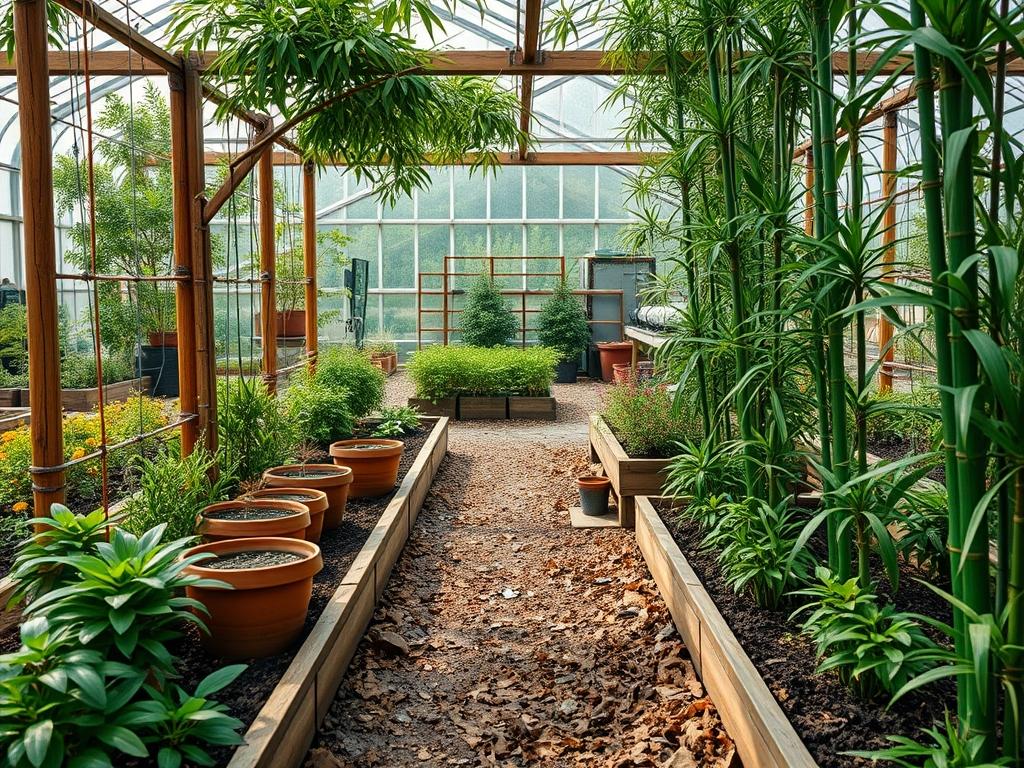
Modern landscape architecture often faces the paradox of creating structures that are both durable and environmentally responsible. As we seek to mitigate the urban heat island effect and improve residential curb appeal, the materials we select dictate the long term viability of our outdoor spaces. Conventional wood or plastic lattices frequently fail to meet the rigorous demands of fluctuating climates, either rotting away in humid summers or becoming brittle under winter frost. This is why Designing Bamboo Trellises has emerged as a premier strategy for sustainable garden planning. Bamboo provides a rare combination of high tensile strength, rapid renewability, and a natural aesthetic that blends seamlessly into diverse topographical layouts. By integrating these vertical elements, designers can maximize small footprints, create privacy screens without the harshness of masonry, and establish a framework that supports the complex needs of local biodiversity.
Landscape Design Principles
Successful landscape design rests on the interplay between symmetry and organic movement. When Designing Bamboo Trellises, a consultant must first evaluate the visual weight of the structure relative to the existing elevation layers. A vertical trellis serves as a focal point that directs the eye upward, effectively making a small garden feel more expansive. We use these structures to define outdoor rooms, separating active recreation areas from quiet, contemplative zones. Visual balance is achieved by mirroring the vertical lines of the bamboo with horizontal walkway pavers or low-lying shrubs, ensuring the eye is not overwhelmed by a single height level.
Inclusion of professional irrigation planning is vital when structures are intended to support heavy biomass. Vertical gardens increase the surface area for evaporation, requiring a precise delivery of water to the base of the climbing plants. We often recommend a drip irrigation system tucked behind the primary bamboo uprights to maintain the sleek appearance of the installation. Furthermore, the placement of the trellis must account for sightlines from within the home. A well-placed bamboo screen can obscure a neighbors HVAC unit while framing a picturesque view of the distant horizon, fulfilling both functional and aesthetic goals.
Plant and Material Selection
Choosing the right biological partners for a bamboo structure ensures the longevity of both the plant and the trellis. The following table outlines optimal selections for vertical integration.
| Plant Type | Sun Exposure | Soil Needs | Water Demand | Growth Speed | Maintenance Level |
| :— | :— | :— | :— | :— | :— |
| Star Jasmine | Full Sun/Part Shade | Well-drained | Moderate | Medium | Low |
| Clematis | Full Sun (Cool roots) | Rich / Loamy | High | Fast | Medium |
| Climbing Rose | Full Sun | Heavy / Nutritious | Moderate | Medium | High |
| Honeysuckle | Full Sun/Part Shade | Any | Moderate | Rapid | Medium |
| Wisteria | Full Sun | Moist / Deep | High | Very Fast | High |
| Runner Beans | Full Sun | Nitrogen Rich | High | Rapid | Low |
For the structural components, we prioritize Tonkin Bamboo for its thick walls and resistance to splitting. When Designing Bamboo Trellises for heavier loads, such as Wisteria or large grapevines, we specify Moso Bamboo poles with a diameter of at least 2 inches. Using stainless steel hardware or UV-rated hemp twine ensures the joints remain secure as the organic material expands and contracts with humidity.
Implementation Strategy
The transition from a design concept to a physical installation requires a methodical approach to site preparation. We begin with a thorough evaluation of the grading. If the terrain is uneven, we may need to install a small retaining wall or level the area to ensure the trellis stands perfectly plumb. Failure to address the slope can lead to structural instability and poor water distribution. Once the site is leveled, we mark the footprints for the primary posts, typically spacing them 4 feet to 6 feet apart depending on the desired density of the screen.
Proper anchoring is the most critical step in Designing Bamboo Trellises. For permanent installations, we recommend using galvanized steel post anchors set in a small amount of concrete. This prevents the bamboo from having direct contact with the soil, which significantly reduces the risk of fungal decay and subterranean pest infestation. After the framework is erected, we apply a layer of landscape fabric topped with 3 inches of cedar mulch. This mulch depth is calculated to suppress weed growth while maintaining consistent moisture levels for the climbing flora. For the horizontal crossbars, we utilize diagonal lashing techniques with nylon-coated wire, providing a grip that resists the sliding action of heavy foliage during windstorms.
Common Landscaping Failures
One of the most frequent errors in garden construction is the neglect of drainage dynamics. When a trellis is positioned at the base of a slope without adequate French drains, the root systems of the climbing plants will suffer from anaerobic conditions. Soil compaction is another silent killer; heavy foot traffic during the construction of the trellis can crush the soil structure, preventing oxygen from reaching the roots. We mitigate this by installing stepping stones or decomposed granite walkways around the work area to distribute weight.
Another mistake involves improper spacing between the trellis and the building facade. Airflow is necessary to prevent mildew on both the bamboo and the home siding. A minimum gap of 12 inches is recommended to facilitate light penetration and air circulation. Furthermore, many DIY enthusiasts fail to account for the mature weight of the plants. A Clematis vine may be light in its first year, but after five years, the cumulative mass of woody stems and wet foliage can exert hundreds of pounds of downward force. Designing Bamboo Trellises without calculating these load-bearing requirements often leads to a collapsed structure during the first major storm of the season.
Seasonal Maintenance
Landscape management is an ongoing process that shifts with the cycles of the year. In the spring, the focus is on structural integrity and nutrient delivery. We inspect all fasteners and ties, replacing any that have frayed over the winter. This is also the time to apply a borate-based preservative to the bamboo to protect against powderpost beetles. As the growing season picks up in summer, the priority shifts to pruning shears and training the new shoots. Directional pruning ensures the plant covers the trellis evenly without becoming a tangled mass that hides the architectural beauty of the bamboo.
Autumn requires a thorough cleanup of fallen leaf litter around the base of the trellis. Debris left to rot against the bamboo poles can trap moisture and accelerate decay. We also recommend a final check of the irrigation lines to ensure they are blown out or drained before the first hard freeze. During the winter months, maintenance is largely observational. Large accumulations of heavy, wet snow should be gently brushed off the trellis to prevent the bamboo from snapping. If the structure is located in a high-wind corridor, temporary burlap screens can be used to protect the more sensitive evergreen climbers from desiccation.
Professional Landscaping FAQ
Does bamboo require special treatment for outdoor use?
Yes, bamboo should be treated with a non-toxic borate solution and coated with a UV-resistant sealer. This prevents sun bleaching and protects the fibers from rot, significantly extending the lifespan of the trellis in harsh outdoor environments.
How deep should the trellis posts be buried?
We recommend burying posts at least 18 inches deep or one-third of the total height. For the best longevity, use metal sleeves or post anchors to keep the bamboo itself from touching the damp earth directly.
Can I use bamboo trellises for heavy vegetable crops?
Absolutely. Designing Bamboo Trellises is ideal for heavy crops like squash or melons. Ensure you use 1-inch diameter horizontal poles and secure the joints with heavy-duty wire to support the significant weight of the ripening fruit.
Will bamboo trellises attract pests to my garden?
Untreated bamboo can attract wood-boring insects, but properly cured and sealed bamboo is highly resistant. By maintaining a 3-inch mulch barrier and keeping the area free of standing water, you can effectively minimize any potential pest issues.
How often should I replace the lashing on the joints?
If using natural hemp or jute, check the ties annually and replace them every 2 years. Using synthetic twine or stainless steel wire can extend this interval to 5 years or more, depending on local weather conditions.