
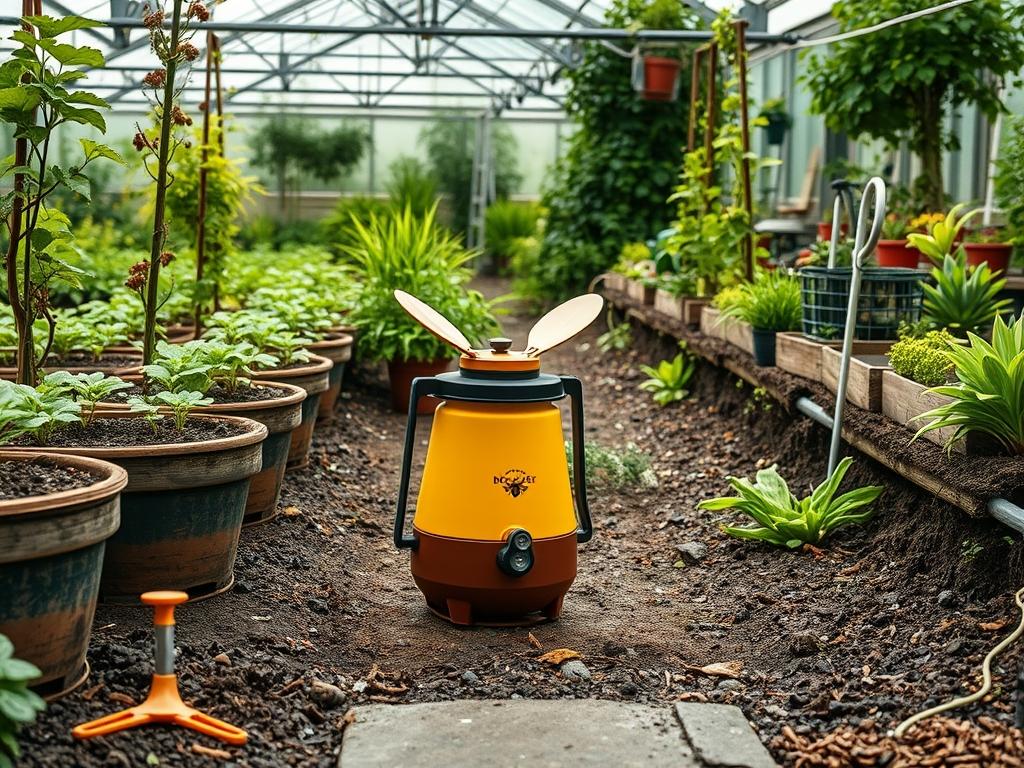
Modern landscape architecture increasingly requires a synthesis of aesthetic appeal and ecological responsibility. As we face shifting climate patterns and rising temperatures, the survival of local pollinator populations becomes a primary concern for any sustainable outdoor environment. Designing bee waterers into a professional landscape plan serves a dual purpose. It provides a vital hydration source for insects that sustain our food supply while adding sophisticated, low-profile water features that enhance the sensory experience of a garden. These installations are more than just shallow dishes; they are carefully engineered components that integrate with drainage systems and irrigation logic to ensure the ecosystem remains vibrant through the hottest months of the year. Integrating these features into the property’s overall footprint improves curb appeal by demonstrating a commitment to environmental stewardship, a quality many homeowners now prioritize as much as hardscaping or sod installation.
Designing bee waterers requires an understanding of microclimates within the yard. High heat causes rapid evaporation, which can leave pollinators stranded if the water source is not consistently maintained. By strategically placing these elements near nectar-rich floral borders, a landscape architect creates a functional hub that minimizes the energy bees must expend. This approach transforms a standard backyard into a cohesive outdoor living space where every element serves a purpose. From the choice of non-slip landing surfaces to the selection of surrounding vegetation, the focus remains on creating a balanced environment. When executed correctly, these features act as subtle focal points that guide the eye through the garden, layering the landscape with movement and biological life.
Landscape Design Principles
Successful garden planning relies on the fundamental pillars of symmetry, focal points, and elevation layers. When incorporating bee waterers, these principles ensure the feature feels intentional rather than like an afterthought. Symmetry can be achieved by placing dual waterers at the terminuses of a paved walkway or flanking a central seating area. These waterers should be treated as miniature sculptures or architectural accents. By using materials that mirror the home’s exterior, such as Flagstone, Polished Granite, or Terracotta, the waterer becomes a permanent fixture of the landscape design.
Elevation layers are critical to the visibility and safety of the insects. A waterer should be elevated slightly above the surrounding Mulch to prevent debris from washing in during heavy rain. Utilizing Natural Stone Pedestals or building a dedicated Stackable Stone Wall creates a tiered look that adds vertical interest to the flat planes of a lawn. Irrigation planning must also be considered. A professional design might include a dedicated Quarter Inch Poly Tubing line connected to the main Drip Irrigation System to automatically refill the waterer on a timer. This eliminates the need for manual maintenance and ensures a constant supply of fresh, clean water. Visual balance is maintained by surrounding the waterer with low-growing groundcovers that transition into mid-sized shrubs, creating a gradual rise in the landscape’s profile that feels organic and inviting.
Plant and Material Selection
The following materials and plants are selected for their ability to support pollinator health while maintaining a high standard of professional landscape aesthetics.
| Plant Type | Sun Exposure | Soil Needs | Water Demand | Growth Speed | Maintenance Level |
| :— | :— | :— | :— | :— | :— |
| Lavender (Lavandula) | Full Sun | Well-Drained/Sandy | Low | Moderate | Low |
| Purple Coneflower (Echinacea) | Full Sun | Loamy/Neutral | Medium | Fast | Moderate |
| Blue Fortune Hyssop | Full Sun/Part Shade | Moist/Well-Drained | Medium | Fast | Low |
| Russian Sage | Full Sun | Dry/Alkaline | Very Low | Moderate | Low |
| Bee Balm (Monarda) | Full Sun/Part Shade | Rich/Moist | High | Fast | Moderate |
| Creeping Thyme | Full Sun | Rocky/Sandy | Low | Slow | Very Low |
| River Rocks | N/A | Substrate | N/A | N/A | Low |
| Pea Gravel | N/A | Drainage Layer | N/A | N/A | Low |
Implementation Strategy
The process begins with a comprehensive site analysis focused on grading and drainage. Before placing any waterer, the land must be assessed to ensure that overflow from the feature does not pool near the foundation of the home or collect in areas with poor soil percolation. A professional backyard layout planning session should identify the highest and lowest points of the property. For a bee waterer, a level surface is mandatory. Use a 4 Foot Spirit Level and a Hand Tamper to create a compacted, level base of Crushed Limestone before setting the waterer or its pedestal.
Once the base is set, edging becomes the next priority. Define the area surrounding the waterer with Steel Edging or Paver Restraints to create a clean transition between the water feature and the lawn. Within this defined border, apply a 3 Inch Layer of Cedar Mulch to help retain moisture in the soil for nearby plants while suppressing weeds. The waterer itself should be filled with a substrate of River Rocks or Glass Beads. These materials must break the surface of the water to provide a landing zone for bees, as they cannot swim and will drown in deep, open water. Hardscaping around the waterer should include a small Stone Splash Pad to catch any drips, which prevents the surrounding soil from becoming muddy and compacted. This structured approach ensures the feature remains clean, functional, and aesthetically pleasing throughout the year.
Common Landscaping Failures
One of the most frequent mistakes in designing bee waterers is a failure to manage stagnant water. Without proper circulation or frequent refreshing, standing water becomes a breeding ground for mosquitoes. This is often caused by placing the waterer in a low-lying area with poor drainage or neglecting to integrate it into the Irrigation System. Another common failure is root overcrowding. When planting around a water feature, many designers fail to account for the mature spread of shrubs. As roots expand, they can heave stone pedestals or crack terracotta basins, leading to leaks and structural instability.
Improper spacing and soil compaction are also significant hurdles. If the soil around the waterer is not properly aerated before installation, it will not absorb overflow, leading to a swampy mess that attracts pests rather than pollinators. Additionally, using the wrong type of Mulch can be detrimental. Fine, dyed mulches can wash into the waterer during storms, clogging the gaps between the Pea Gravel and contaminating the water with chemicals. Finally, irrigation inefficiencies occur when a waterer is placed too far from a water source, making it difficult to automate the refilling process. This often leads to the feature being left dry during mid-summer droughts, defeating its primary purpose as a survival tool for pollinators.
Seasonal Maintenance
Landscape management requires a rolling schedule to keep all elements in peak condition. In Spring, the focus is on sanitation and rejuvenation. Scrub the waterer with a weak vinegar solution to remove algae and mineral deposits. Inspect all Drip Emitters for clogs caused by winter debris and replace any Mulch that has decomposed over the cold months. This is also the time to prune back Lavender or Russian Sage to encourage new, pollinator-attracting growth.
Summer maintenance is centered on water consistency. Check the water level daily during heatwaves. Ensure that the River Rocks still provide plenty of dry landing space above the waterline. Monitor the surrounding plants for signs of heat stress and adjust the irrigation timer if the soil feels excessively dry. As Autumn approaches, clear fallen leaves from the waterer to prevent tannins from staining the water or creating an acidic environment. This is the ideal time to add a fresh layer of Compost or Organic Fertilizer to the surrounding beds to prepare the plants for dormancy. In Winter, if your region experiences hard freezes, it is best to drain the waterer and cover it with a Heavy Duty Tarp or move the basin to a shed to prevent the material from cracking.
Professional Landscaping FAQ
How deep should a bee waterer be?
A bee waterer should be shallow, generally between 1 and 2 Inches deep. The most important factor is the presence of River Rocks or stones that protrude above the water line, providing a safe, dry place for bees to land.
Where is the best place to put a bee waterer?
Place the waterer in a sunny, wind-protected area near flowering plants. Avoid high-traffic zones like walkways or play areas to minimize human-bee interactions. Ensure it is near a water source for easy refilling and maintenance tasks.
Does a bee waterer attract mosquitoes?
It can if the water is stagnant. To prevent this, refresh the water every 2 to 3 Days, or integrate a small Solar Powered Fountain to keep the surface moving. Properly maintained waterers remain safe for pollinators without attracting pests.
What are the best stones for a bee waterer?
Natural River Rocks, Large Pebbles, or Lava Rocks are ideal. These materials are porous or textured, providing a stable grip for bees. Avoid using chemically treated stones or painted glass that could leach toxins into the hydration source.
Can I use a birdbath as a bee waterer?
Yes, provided you modify it. Most birdbaths are too deep for bees. To make a birdbath bee-friendly, add enough Pea Gravel or flat stones so that they break the water surface, creating multiple landing islands across the entire basin.