
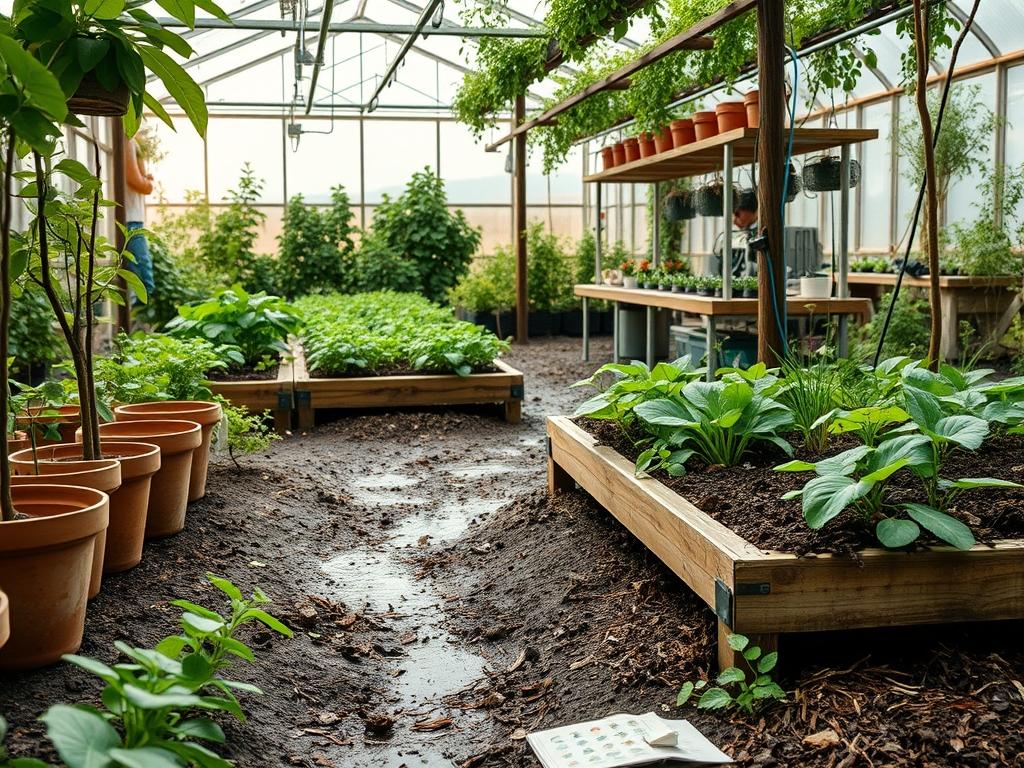
High performance landscapes are often judged by their immediate visual impact, yet a senior architect knows that the longevity of any design relies more on the underground biological infrastructure than the initial placement of ornamental features. When we approach a new project, whether it is a sprawling residential estate or a compact urban courtyard, the primary challenge is achieving a balance between aesthetics and ecological resilience. Often, high end installations fail within the first three years because the soil has been treated as a static substrate rather than a living system. To ensure substantial curb appeal and outdoor functionality, we must look beyond synthetic fertilizers and toward the cultivation of Indigenous Microorganisms, or IMO. These locally adapted fungal and bacterial colonies are the invisible architects of soil structure, nutrient cycling, and plant immunity. By capturing and reintroducing these specific microbes into a landscape plan, we can create an environment that thrives with minimal chemical intervention, even in the face of local climate fluctuations.
The transition from a standard construction site to a lush, sustainable environment requires a deep understanding of site specific biology. Indigenous Microorganisms are collected from healthy, undisturbed local ecosystems where they have evolved for centuries to survive the exact humidity, temperature, and soil chemistry of your region. Unlike store bought probiotics for soil, IMO cultures are inherently hardy and aggressive in colonizing the root zones of your Native Plants. This biological approach integrates seamlessly with modern landscape design, enhancing the performance of Irrigation Systems and ensuring that Hardscaping elements like Retaining Walls are not undermined by soil erosion or poor drainage. A robust microbial population improves soil aggregation, which allows water to penetrate deeply into the Subsoil rather than pooling on the surface or running off into storm drains. This technical foundation is what allows a landscape to maintain its vigor through drought or excessive rainfall.
Landscape Design Principles
Effective landscape architecture depends on the harmonious integration of structural form and biological function. When planning a site, we focus on symmetry and focal points to guide the eye; however, these visual elements must be supported by healthy soil to maintain their stature. For instance, a pair of Emerald Green Arborvitae used as symmetrical anchors near an entryway will only remain uniform if their root systems have equal access to symbiotic fungi that facilitate nutrient uptake. We also utilize elevation layers, such as terraced beds or raised planters, to create depth. In these elevated zones, drainage is crucial. Integrating IMO into the soil mix for these layers prevents the compaction that often plagues high traffic areas or heavy planters.
Walkways and circulation paths should be designed with the surrounding soil health in mind. By using permeable materials like Crushed Granite or Standard Gravel, we allow oxygen and moisture to reach the microbes below. Visual balance is achieved not just through plant height and color, but through the consistent health of the entire plant palette. A landscape where some plants are thriving while others are yellowing lacks cohesion. Cultivating a uniform microbial profile across the entire site ensures that the Boxwood hedges and the Fescue turf receive the same biological advantages, leading to a more professional and polished appearance year round.
Plant and Material Selection
The following table outlines standard plants frequently used in high end landscape designs and their specific requirements to thrive alongside a robust IMO program.
| Plant Type | Sun Exposure | Soil Needs | Water Demand | Growth Speed | Maintenance Level |
| :— | :— | :— | :— | :— | :— |
| Japanese Maple | Partial Shade | Loamy, Well Drained | Moderate | Slow | Medium |
| Lavender | Full Sun | Sandy, Alkaline | Low | Moderate | Low |
| Hydrangea | Partial Sun | Rich, Organic | High | Fast | High |
| Boxwood | Full/Partial Sun | Loamy, Neutral | Moderate | Slow | Medium |
| Tall Fescue | Full Sun | Clay/Loam | Moderate | Fast | High |
| Crepe Myrtle | Full Sun | Versatile | Low | Fast | Low |
Implementation Strategy
The process of implementing a biological landscape begins with the capture and cultivation of Indigenous Microorganisms. To start, we identify a nearby healthy forest or a thriving local grove that has not been treated with chemicals. We use a Wooden Box made of cedar or pine, approximately 12 inches by 8 inches, and fill it halfway with partially cooked White Rice. The rice serves as a high carbohydrate bait for the microbes. The box is covered with Porous Paper secured by a rubber band and buried slightly in the leaf litter of the collection site. After 3 to 7 days, depending on the ambient temperature, the rice should be covered in a thick, white fungal mold. This is the raw IMO 1.
Once captured, the fluffy white mold is mixed with Brown Sugar at a 1 to 1 ratio by weight. This stabilizes the microbes into a liquid concentrate known as IMO 2, which can be stored for months. To apply this to a large scale landscape, the concentrate is diluted and fermented with organic materials like Wheat Bran or Rice Mill Waste to create a dry inoculum, which is then incorporated into the Topsoil during the grading process. This ensures that when the Balled and Burlapped trees are installed, they are immediately surrounded by a biological shield. During the final stages of implementation, we apply a 3 inch layer of Double Shredded Bark Mulch to protect the microbes from UV radiation and to maintain the moisture levels necessary for their survival.
Common Landscaping Failures
The most frequent failure in professional landscaping is poor drainage management. When water is allowed to sit in the root zone, it creates anaerobic conditions that kill beneficial microbes and invite root rot pathogens. We prevent this by ensuring a 2 percent slope away from all structures and using French Drains in low lying areas. Another common mistake is root overcrowding. Designing for the mature size of the plant is essential; if Oak Trees are planted too close to Walkways, the resulting soil compaction and root restriction will lead to declining health and structural damage to the concrete.
Soil compaction is a silent killer in new constructions. Heavy machinery used during building often leaves the ground as dense as brick. Attempting to plant directly into this without mechanical aeration and microbial amendment is a recipe for failure. Irrigation inefficiencies also take a toll. Over watering can be just as damaging as a drought because it leaches nutrients and drowns the aerobic IMO colonies. We recommend Drip Irrigation systems that deliver water directly to the soil surface, minimizing evaporation and keeping the microbial environment stable.
Seasonal Maintenance
Landscape management is a year round commitment that changes with the cycles of the microorganisms. In the Spring, the focus is on reactivation. As the soil warms to above 50 degrees Fahrenheit, we apply a diluted liquid IMO tea to kickstart the nutrient cycle and support new growth. This is the ideal time for Pruning and applying a fresh layer of Compost to provide food for the emerging microbes.
During the Summer, the priority shifts to moisture retention and heat stress management. We monitor the Irrigation System to ensure deep, infrequent watering which encourages roots to grow deeper into the cooler, microbially rich subsoil. In Autumn, as plants begin to go dormant, we allow fallen leaves to remain in garden beds where possible. This leaf litter provides the natural “fuel” for the microbes to break down over the winter. Finally, in Winter, we focus on protection. Applying a thick layer of Wood Chips or Pine Straw acts as an insulating blanket for the soil biology, ensuring that the microbial population remains viable until the following spring.
Professional Landscaping FAQ
What is the best time to capture IMO for a new project?
Capture is most effective during the spring or autumn when soil moisture is high and temperatures are mild. These conditions encourage maximal fungal activity, ensuring a diverse and robust collection of several different species of local microbes for your soil.
Can I use IMO in a landscape with existing chemical treatments?
Yes, but you must transition slowly. Synthetic fertilizers and fungicides can suppress microbial life. Start by reducing chemical inputs by 25 percent each season while increasing IMO applications to help the soil biology recover and eventually take over the nutrient cycling.
How deep should I incorporate IMO into the soil during planting?
Focus on the top 6 to 8 inches of soil. This is where the majority of microbial activity occurs and where most feeder roots are located. For larger trees, add IMO to the backfill mix at the bottom of the planting hole.
Does mulch type affect the health of Indigenous Microorganisms?
Absolutely. Natural, undyed Hardwood Mulch or Arborist Chips provide the best carbon source for microbes. Avoid rubber mulches or chemically treated woods, as these do not break down and can introduce toxins that inhibit fungal growth in the root zone.
How often should I reapply IMO to my garden beds?
For an established, healthy landscape, a thorough application in the spring and again in the autumn is usually sufficient. New installations or sites with heavily degraded soil may benefit from monthly liquid applications during the first growing season to ensure colonization.