
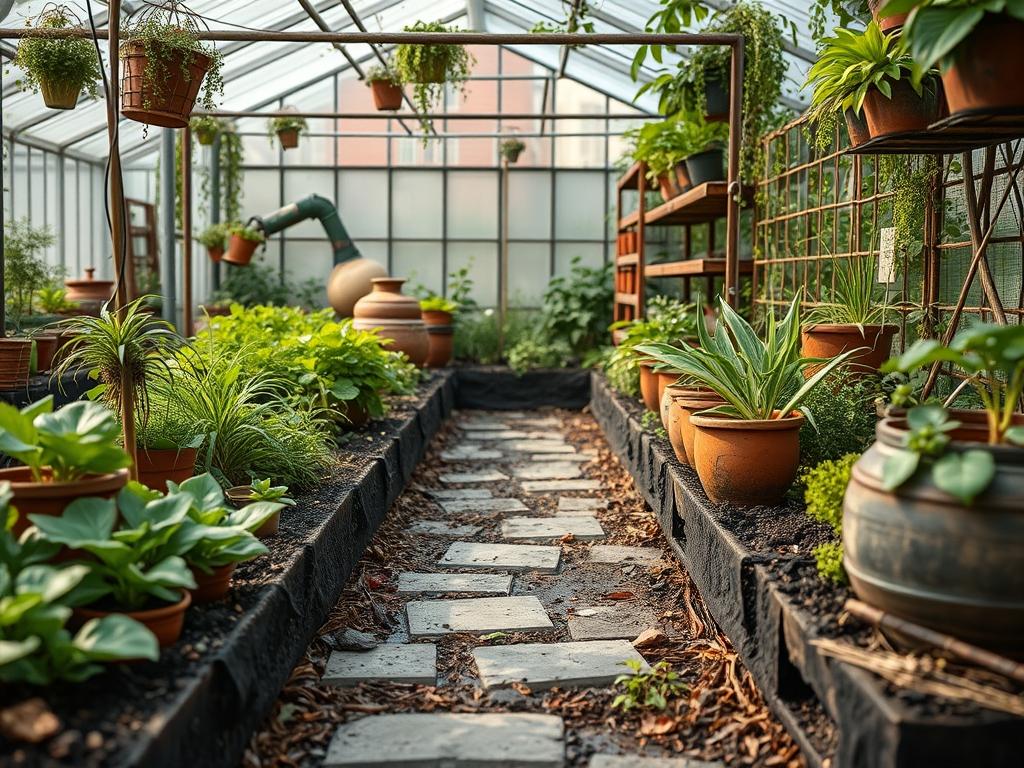
Designing a landscape that serves a dual purpose as both a visual asset and a source of raw materials requires a nuanced understanding of botanical chemistry. For homeowners interested in Traditional Leather Tanning, the domestic garden transforms from a passive space into a productive woodland ecosystem. The primary challenge lies in balancing the slow growth cycles of tannin rich woody perennials with the immediate goals of residential curb appeal and outdoor functionality. A well planned site must account for the high acidic runoff potential near processing areas while ensuring that the primary specimens, such as large oaks or sumacs, do not overwhelm the structural integrity of the home foundation or existing drainage systems. Integrating these functional plants requires a layout that mimics the stratified layers of a natural forest, allowing for the sustainable harvest of bark, leaves, and galls without compromising the aesthetic structure of the property.
Effective landscape architecture for a tannin producing garden hinges on the principle of zone based functionality. By placing high maintenance or high yield harvest zones near the rear of the property and maintaining a polished, ornamental front yard, a homeowner can satisfy local zoning expectations while pursuing intensive craft tasks. This approach involves careful consideration of microclimates, as the specific concentration of polyphenols in plant tissues can be influenced by soil quality and sunlight exposure. Furthermore, the integration of a tanning garden requires a strategic approach to soil management; the very compounds that make these plants valuable for leather work can alter the soil pH, potentially affecting the health of neighboring, less hearty species.
Landscape Design Principles
Successful integration of tanning plants necessitates a firm grasp of symmetry and focal points. When selecting a site for a large Quercus alba (White Oak) or Castanea sativa (Sweet Chestnut), these trees should be positioned as primary anchors in the landscape. Because these specimens grow to significant heights, they define the vertical elevation layers of the garden. Architects often use the rule of thirds to place these anchors, ensuring they do not bisect the view directly but rather frame the perspective of the house or a distant horizon. In smaller suburban lots, smaller species like Rhus typhina (Staghorn Sumac) can serve as structural mid level layers that provide privacy screening along property lines.
Walkway planning is another critical component. For those practicing Traditional Leather Tanning, the movement of heavy raw materials like wet hides or bags of bark requires wide, stable paths. Use Flagstone or Crushed Granite to create permeable surfaces that can withstand heavy traffic and frequent moisture. These paths should include a slight crown to facilitate rapid drainage, preventing the pooling of water which can become a slip hazard during the harvest season. Visual balance is achieved by counteracting the coarse texture of bark producing trees with the fine, soft texture of ground covers like Galium odoratum (Sweet Woodruff) or various native ferns. These ground covers help maintain soil moisture and cool the root systems of the larger trees, creating a symbiotic micro ecosystem.
Irrigation planning must be precise. Tannin rich plants often require consistent deep watering to produce the thick bark necessary for tanning. Using Drip Irrigation systems with programmable timers ensures that water reaches the root zone without evaporating or creating surface runoff. This is particularly important if the garden is situated on a slope, where unmanaged water can lead to erosion and the leaching of natural tannins into the public sewage system or neighboring properties.
Plant and Material Selection
| Plant Type | Sun Exposure | Soil Needs | Water Demand | Growth Speed | Maintenance Level |
| :— | :— | :— | :— | :— | :— |
| Quercus alba | Full Sun | Well-drained loam | Moderate | Slow | Low |
| Rhus typhina | Full to Partial | Adaptable/Sandy | Low | Fast | Moderate |
| Castanea sativa | Full Sun | Acidic/Deep | Moderate | Medium | Low |
| Tsuga canadensis| Shade to Partial | Cool/Moist | High | Slow | Moderate |
| Betula papyrifera| Full Sun | Moist/Silty | High | Medium | Moderate |
| Salix babylonica | Full Sun | Wet/Clay | Very High | Fast | High |
Implementation Strategy
The first step in backyard layout planning is comprehensive site grading. For a property intended for leather processing, the ground must be graded at a 2 percent slope away from any permanent structures. This ensures that any liquid waste or rainwater runoff is directed toward a dedicated drainage area, such as a French Drain or a bioswale filled with River Rock. Once the grading is established, homeowners should mark out the planting zones using Landscaping Stakes and Layout String.
Edging is the next priority. Use Steel Edging or Pressure Treated Timber to define the boundaries between harvesting zones and recreational lawn areas. This prevents the aggressive root systems of plants like Sumac from encroaching on the grass. Before planting, the soil should be amended based on the results of a professional soil test. For tannin producers, maintaining a slightly acidic pH is often ideal. Incorporate Organic Compost and Peat Moss into the top 12 inches of soil to provide a nutrient rich foundation.
When planting the trees, the hole should be twice as wide as the root ball but no deeper. This encourages outward root growth, which stabilizes the tree against wind. Once the specimens are in the ground, apply a 3 inch layer of Hardwood Mulch around the base, keeping the mulch away from the trunk to prevent rot. This mulch layer serves two purposes; it retains moisture and eventually decomposes into a supplemental source of organic tannins for the soil. Finally, install a dedicated outdoor sink or a stone paved “wet zone” with a heavy duty Garden Hose and a high pressure nozzle to facilitate the initial cleaning of harvested bark.
Common Landscaping Failures
One of the most frequent mistakes in this specialized landscaping is improper drainage planning. If tannin rich liquor from the tanning process or even heavy decomposition of fallen leaves is allowed to pool, it can kill the surrounding turf and create unsightly dark stains on concrete patios. Without a proper Sump Pump or a well designed swale, these liquids can also seep into the foundation of the home, leading to costly structural repairs and unpleasant odors.
Another common failure is root overcrowding. Many aspiring tanners plant several Quercus species too close together in an attempt to maximize their harvest. This leads to competition for nutrients and stunted growth. Properly spacing large trees at least 25 to 30 feet apart is essential for long term health. Furthermore, using the wrong type of mulch, such as dyed rubber mulch, can introduce synthetic chemicals into the soil that may interfere with the pure organic chemistry required for Traditional Leather Tanning. Soil compaction is also a risk in harvest areas; frequent foot traffic around a single tree can crush the soil structure, preventing oxygen from reaching the roots. To mitigate this, use Aerators annually and define specific paths with Pavers to concentrate the weight of traffic.
Seasonal Maintenance
Spring maintenance involves a thorough inspection of all irrigation lines. Check Emitters for clogs and ensure that the Backflow Preventer is functioning correctly. This is also the time for structural pruning. Use bypass pruners or a pole saw to remove dead or diseased wood from tanning trees. This pruning not only maintains the shape of the tree but also provides a small, early season harvest of tannin rich twigs and bark.
Summer focus shifts to hydration and pest management. During period of extreme heat, trees may need a deep soak once a week. Monitor for signs of the Emerald Ash Borer or other pests that target tannin rich species. Applying a thin layer of Neem Oil can help deter certain insects without contaminating the organic matter intended for tanning.
In Autumn, the focus turns to the harvest. This is the peak time to collect fallen acorns, galls, and leaves which are concentrated sources of tannic acid. Rake these materials into Burlap Sacks for storage in a dry, ventilated shed. Ensure that any debris left on the lawn is removed to prevent it from smothering the grass before the first frost.
Winter is the season for dormant pruning and hardscape repair. Use this time to sharpen your Hand Saws and Loppers. Inspect Retaining Walls for signs of shifting caused by freeze-thaw cycles. If any gaps have appeared in the Mortar, fill them before the spring rains begin. Proper winter care ensures that the structural elements of the garden remain intact for the next growing season.
Professional Landscaping FAQ
Which tree provides the best tannins for a small yard?
The Rhus typhina, or Staghorn Sumac, is ideal. It reaches maturity quickly, occupies far less vertical space than an Oak, and offers high tannin concentrations in its leaves and bark. It is also drought tolerant and provides vibrant autumn color.
How do I prevent tanning runoff from staining my patio?
Install a Permeable Paver system with a deep gravel base. This allows liquids to filter directly into the ground rather than running across the surface. Regularly sealing any nearby concrete or natural stone with a Silicane Sealer also prevents permanent discoloration.
Can I use a lawn mower to shred bark for tanning?
It is not recommended. Residential mowers are designed for soft vegetation. For processing bark, use a dedicated Wood Chipper or a Manual Bark Spud. Using a mower can damage the blades and dangerously discharge heavy wooden debris.
Is it safe to plant tanning trees near a septic tank?
No, you should avoid planting large trees like Quercus or Salix within 50 feet of a septic leach field. Their aggressive roots can penetrate and clog the pipes, leading to expensive system failures and environmental contamination.
What is the best mulch for a tannin producing garden?
Use a natural Pine Bark or Cedar Mulch. These provide organic acidification that complements tannin producing species. Avoid any treated or colored mulches, as the dyes can leach into the soil and potentially affect the quality of your hide processing.