
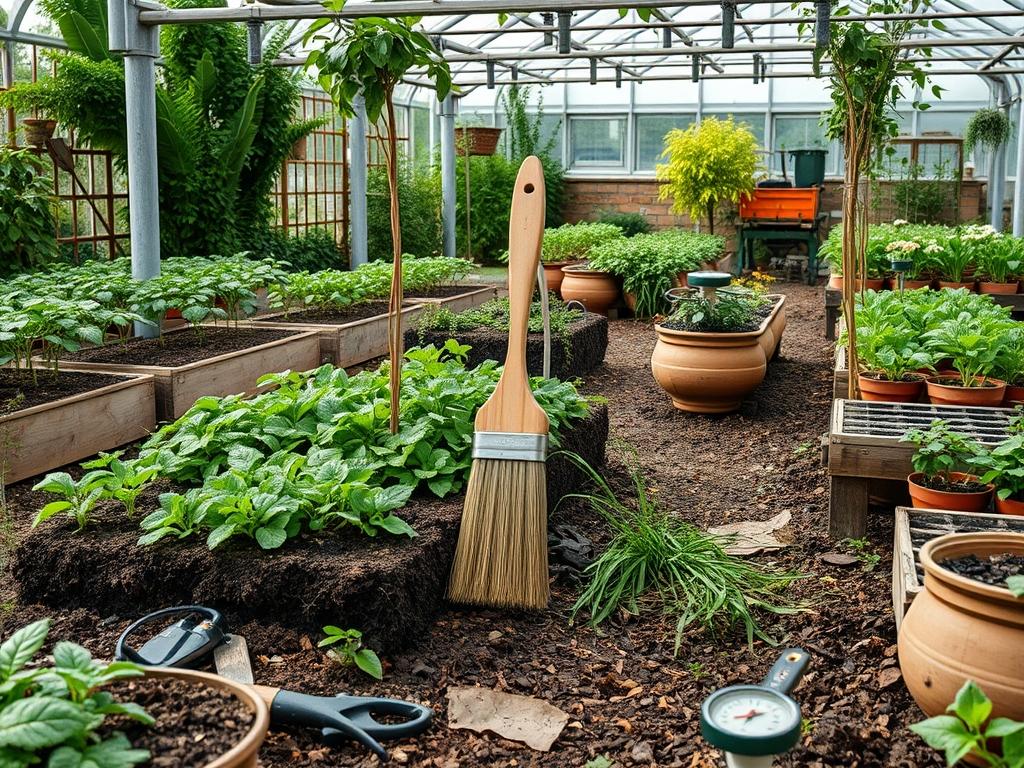
Designing a landscape with a secondary purpose of artisanal production requires a sophisticated understanding of both spatial aesthetics and botanical utility. When we approach garden planning from the perspective of a landscape architect, we are not simply placing plants for visual appeal; we are engineering an environment that yields specific raw materials. The cultivation of gardens to produce Natural Bristle Brushes necessitates a strategic layout where fiber producing plants and woody species serve as both structural elements and harvestable resources. This dual purpose design ensures that the property maintains high curb appeal while functioning as a sustainable source of materials. Achieving this balance requires careful consideration of soil mechanics, irrigation zones, and the long term growth patterns of species that provide the stiff fibers and flexible handles needed for high quality brush making.
Modern outdoor living spaces now prioritize functional ecology. By selecting plants that offer structural integrity and fibrous textures, a designer can create a landscape that feels intentional and luxurious. The challenge lies in integrating these utilitarian species into a cohesive plan that manages water runoff and soil health. Proper drainage is the foundation of any successful landscape project; without it, the very plants intended for harvest will suffer from root rot or stunted growth. A professional landscape consultant looks at the site’s elevation and slope to determine where high water demand species, such as certain varieties of Willow, should be placed relative to drought tolerant fiber plants like Yucca. Every choice in the garden, from the depth of the hardwood mulch to the placement of retaining walls, must support the health of these specialized botanical assets.
Landscape Design Principles
Building a landscape that supports the production of Natural Bristle Brushes starts with the principle of elevation layers. We utilize a tiered approach, placing taller, woody species like Corylus avellana at the back of the border to create a natural privacy screen and a source for brush handles. In front of these, we install mid level fibrous plants to create a transition in height and texture. This layering technique provides the visual depth necessary for a professional grade garden. Focal points are established using architectural plants like Yucca filamentosa, which offer both striking evergreen spikes and the high tensile strength fibers required for fine bristles. These focal points draw the eye through the landscape while serving as the primary production nodes for the gardener.
Symmetry and visual balance are maintained by mirroring these production zones across central axis points, such as flagstone walkways or paved seating areas. To ensure the landscape remains functional, walkways must be designed with enough width, typically 36 inches to 48 inches, to allow for the transport of harvesting tools and bulk materials. Irrigation planning is another critical pillar of the design. We often implement a zoned drip system that delivers precise amounts of water to the base of each plant, reducing waste and preventing the foliar diseases that can ruin fiber quality. By grouping plants with similar hydration needs into specific hydrozones, we maximize the efficiency of the landscape and ensure that the raw materials for our Natural Bristle Brushes grow with consistent density and strength.
Plant and Material Selection
| Plant Type | Sun Exposure | Soil Needs | Water Demand | Growth Speed | Maintenance Level |
| :— | :— | :— | :— | :— | :— |
| Yucca filamentosa | Full Sun | Well Drained/Sandy | Low | Moderate | Low |
| Sorghum bicolor | Full Sun | Rich, Organic Loam | Medium | Fast | Moderate |
| Salix viminalis | Full Sun to Part Shade | Moist Clay/Silt | High | Very Fast | High |
| Agave sisalana | Full Sun | Sandy/Rocky | Very Low | Slow | Low |
| Bambusa litophylla | Full Sun | Loamy/Moist | Medium | Fast | High |
| Trachycarpus fortunei | Full Sun to Part Shade | Well Drained | Medium | Slow | Moderate |
Implementation Strategy
The transition from a conceptual design to a physical landscape begins with grading and soil preparation. We start by ensuring a 2 percent slope away from any existing structures to facilitate proper drainage. If the site has heavy clay soil, we incorporate organic compost and expanded shale to a depth of 12 inches to improve aeration. This is vital for fiber plants, as compacted soil limits the development of the long, robust roots needed for strong plant fibers. Once the grade is established, we lay out the edging to define the beds and keep the aggressive root systems of some fiber producing species contained. We use steel edging or tumbled stone to create clean lines that define the garden’s geometry.
After the hardscaping is in place, the planting phase involves placing the largest specimens first. These “anchor” plants define the canopy and midstory. When planting species for Natural Bristle Brushes, we pay close attention to the spacing. Overcrowding is a common mistake that leads to weak, spindly growth. We ensure that each Salix or Yucca has enough room to reach its mature width without competing for light. Once the plants are in the ground, we apply a 3 inch layer of shredded cedar mulch to suppress weeds and retain moisture. This mulch also breaks down over time, adding nutrients back into the soil. Finally, we install the irrigation controller and set the schedule based on the seasonal needs of each hydrozone, ensuring the landscape is self sustaining and production ready.
Common Landscaping Failures
One of the most frequent errors in utilitarian landscaping is the failure to account for root overcrowding. When plants intended for fiber production are packed too tightly for an immediate “full” look, they eventually compete for micronutrients. This competition results in brittle fibers that are unsuitable for Natural Bristle Brushes. Professional designers prioritize long term health over instant gratification. Another significant failure is improper drainage. If water pools around the base of fibrous perennials, the plant may survive, but the quality of the harvested material will be compromised by fungal staining or structural weakness. We often install French drains or dry creek beds to redirect excess surface water away from these sensitive areas.
Soil compaction is another silent killer of garden productivity. Heavy foot traffic in planting beds compresses the soil pores, cutting off oxygen to the roots. We mitigate this by designing dedicated harvest paths and using stepping stones to distribute weight. Furthermore, many homeowners neglect the specific pH requirements of their harvestable plants. For instance, if the soil is too alkaline, certain woody species cannot uptake the iron necessary for strong stem development. Regular soil testing and the application of sulfur or lime as needed are essential steps that are often overlooked. Lastly, irrigation inefficiencies, such as overwatering during dormant seasons, can lead to the decline of the very plants you rely on for craft materials.
Seasonal Maintenance
Seasonal management is what separates a professional landscape from a hobbyist garden. In the spring, the focus is on rejuvenation and fertilization. We apply a balanced 10-10-10 fertilizer to stimulate new growth in our fiber producing monocots. This is also the time to inspect the irrigation system for leaks or clogged emitters. As we move into summer, the priority shifts to moisture management and weed control. Consistent water delivery is crucial during the peak heat months to ensure that the fibers within the plants do not become overly desiccated. We also perform light pruning on woody species using bypass pruners to encourage straight, upright growth that will later be used for brush handles.
Autumn is the primary harvest season for many of the materials used in Natural Bristle Brushes. We look for mature leaves and stems that have reached their peak fiber density. After harvesting, we clear away any fallen debris to prevent pests from over wintering in the garden beds. This is also the ideal time to plant new perennials, as the cooler temperatures allow for root establishment without the stress of summer heat. In winter, maintenance focuses on protecting the structural integrity of the landscape. We perform heavy structural pruning on willows and other deciduous trees while they are dormant. This dormant pruning encourages a flush of vigorous new growth in the spring, providing a fresh supply of flexible wood for the following year’s production.
Professional Landscaping FAQ
Which plants produce the best fibers for heavy duty use?
Species like Yucca filamentosa and Agave sisalana are superior for stiff bristles. These plants thrive in well drained soil and require full sun to develop the high tensile strength necessary for durable, coarse Natural Bristle Brushes.
How do I prevent my harvestable wood from warping?
Warping is usually caused by uneven drying or harvesting at the wrong time. Ensure you prune your handle material during the dormant winter season. Store the cut wood in a cool, dry area with plenty of airflow.
Can I grow brush materials in a small urban lot?
Yes, vertical layering is key. Use Bambusa litophylla for handles and smaller Yucca varieties for fibers. By using raised beds and trellises, you can maximize production in a limited footprint while maintaining a professional aesthetic.
What is the best mulch for a fiber producing garden?
A carbon rich hardwood mulch is ideal. It regulates soil temperature and moisture levels effectively. Avoid dyed mulches, as the chemicals can leach into the soil and potentially affect the natural color and quality of your harvested fibers.
How often should I test my soil?
A professional soil test should be conducted every two years. This ensures that the nutrient levels and pH remain optimal for high quality fiber production. Use a soil probe to collect samples from several locations at a 6 inch depth.