
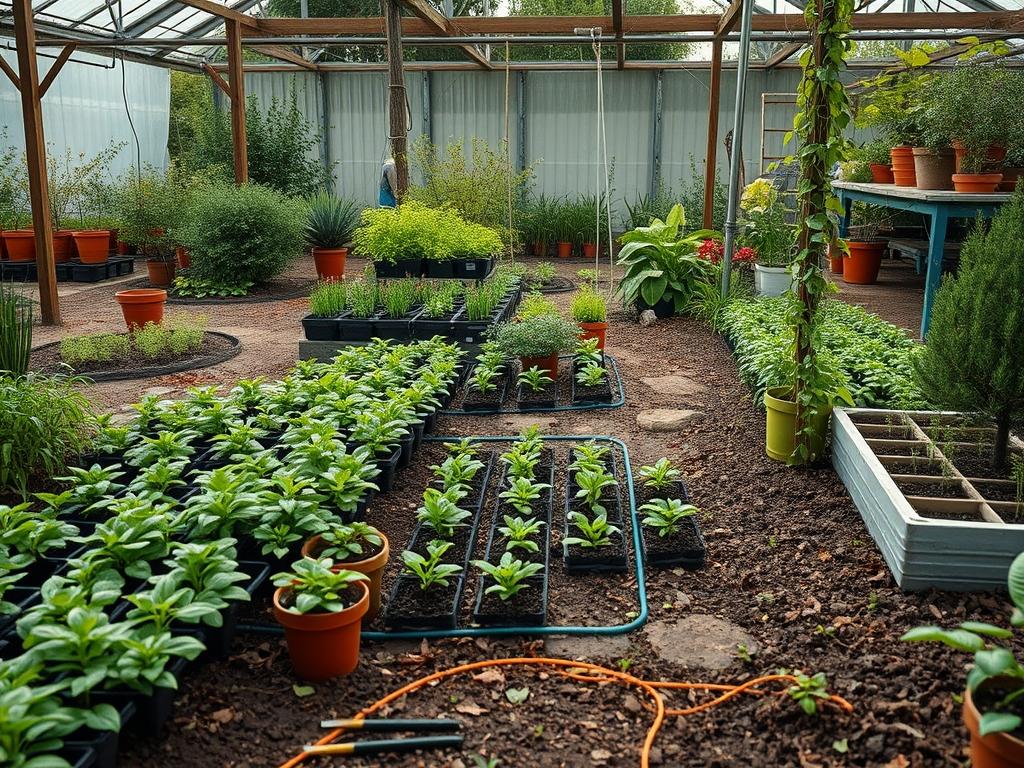
Successful landscape architecture often seeks to bridge the gap between human desire for order and the inherent resilience of the wild environment. When we approach native shrub seed sowing, we are not merely planting; we are regenerating an ecosystem within the confines of a residential or commercial boundary. The primary challenge lies in the dormancy requirements of native species, which have evolved over millennia to resist germinating until conditions are perfect. By mimicking nature, we ensure that these woody perennials establish deep root systems that provide long term curb appeal and superior drought tolerance. This method transforms a standard garden into a functional outdoor living space that requires fewer synthetic inputs while maximizing ecological value. Utilizing native shrubs also addresses modern drainage concerns, as their established root masses act as bio-retention filters, managing runoff far more effectively than traditional turf or exotic ornamentals.
Landscape Design Principles
Integrating native shrubs into a professional design requires a balance between ecological mimicry and structural form. While nature may appear chaotic, high end landscaping utilizes symmetry and focal points to guide the eye. We achieve this by placing larger shrubs, such as Amelanchier or Calycanthus, at the corners of a property or as backdrops for outdoor living areas. These plants serve as the “bones” of the garden, providing a sense of permanence even during the winter months. To create visual interest, we use elevation layers, placing low-growing species in the foreground and taller varieties toward the perimeter. This tiered approach mimics the forest edge, where light penetration dictates growth patterns.
Walking through the site, the placement of walkways and hardscaping should dictate where seed sowing occurs. We design “soft edges” where the transition from a stone path to the shrub border feels organic. Irrigation planning is also critical during the design phase. Although mature natives are often drought tolerant, the germination and seedling phases require consistent moisture levels. We often design temporary drip systems or use topographical grading to direct rainwater toward newly sown areas. This prevents the need for manual watering while ensuring that the seeds do not wash away during heavy spring rains. By focusing on visual balance, we ensure that the native “wild” look feels intentional and sophisticated rather than neglected.
Plant and Material Selection
| Plant Type | Sun Exposure | Soil Needs | Water Demand | Growth Speed | Maintenance Level |
| :— | :— | :— | :— | :— | :— |
| Cornus sericea | Full Sun/Part Shade | Moist, Clay | High | Fast | Moderate |
| Rhus typhina | Full Sun | Poor, Rocky | Low | Very Fast | Low |
| Viburnum dentatum | Full Sun/Part Shade | Loamy, Acidic | Moderate | Medium | Low |
| Ceanothus americanus | Full Sun/Part Shade | Well-Drained | Low | Slow | Low |
| Lindera benzoin | Part Shade/Full Shade | Rich, Moist | Moderate | Medium | Moderate |
| Ilex verticillata | Full Sun/Part Shade | Wet, Acidic | High | Medium | Low |
Implementation Strategy
The process begins with meticulous site preparation which involves grading and soil assessment. Unlike standard nursery stock, native shrub seed sowing requires a surface that mimics the forest floor. We start by removing invasive vegetation using mechanical methods to avoid chemical residuals that might inhibit delicate seeds. If the site has significant slope, we implement subtle retaining walls or use burlap netting to stabilize the soil. Grading should always direct water away from the home foundation but allow for small, shallow depressions where moisture can settle. This natural irrigation technique provides the consistent hydration necessary for the “cold stratification” process seeds undergo during winter.
Once the grade is set, we apply a layer of coarse sand or a light leaf mold mulch. Standard wood chips are often too heavy and can trap seeds too deeply. We aim for a mulch depth of no more than 0.5 inches for the sowing area. For species like Sumac or New Jersey Tea, we may use a technique called “scarification,” lightly rubbing the seeds with sandpaper to mimic the natural wear they would receive in the wild. We sow the seeds in late autumn or early winter, allowing the natural freeze and thaw cycles to break down the seed coat. This timing ensures that when the soil temperature reaches 55 degrees Fahrenheit in the spring, the seeds are primed for immediate growth. We often use marking flags to identify sowing zones, ensuring that maintenance crews do not mistake emerging seedlings for common weeds.
Common Landscaping Failures
The most frequent failure in native shrub establishment is improper drainage management. When water pools in a flat area for more than 24 hours, the seeds of most upland shrubs will rot before they have a chance to germinate. Conversely, failing to account for soil compaction is a silent killer. Heavy machinery used during home construction often leaves the subsoil as hard as concrete, preventing native taproots from penetrating the earth. We recommend using a broadfork or aerator to loosen the soil to a depth of 12 inches before sowing begins.
Another common mistake is root overcrowding caused by sowing too many seeds in a restricted area. While we want a dense look eventually, seedlings need “elbow room” to develop their primary lateral roots. If the stand is too thick, airflow is restricted, leading to fungal issues like powdery mildew. Additionally, many homeowners apply high nitrogen fertilizers to speed up growth. For native shrubs, this is often detrimental. Excessive nitrogen produces weak, leggy growth that is susceptible to pests and wind damage. We prefer to rely on the natural decomposition of organic matter and compost to provide a slow release of nutrients that matches the plant’s natural rhythm.
Seasonal Maintenance
Spring is the season of vigilance. As the seedlings emerge, it is vital to distinguish them from opportunistic weeds. We recommend a “hands off” approach to heavy mulching during this time to allow the soil to warm up. If the spring is uncharacteristically dry, we provide supplemental irrigation via a soaker hose for approximately 20 minutes every three days. This mimics the gentle, consistent rains that native species expect. Toward the end of the spring, we check for any signs of “dampening off,” a fungal disease that can collapse entire rows of young shrubs.
Summer maintenance focuses on moisture retention and heat protection. Once the seedlings reach a height of 6 inches, we increase the mulch depth to 2 inches using a finer shredded bark or pine straw. This protects the young root systems from the sun. In autumn, we perform minimal pruning, only removing dead or crossing branches to maintain the plant’s structural integrity. This is also the time to collect seeds from established plants for future expansion. Winter maintenance is largely passive; however, we ensure that heavy snow piles from shoveling do not crush the brittle young stems. We may use wire cages to protect the stems from winter browsing by rabbits or deer, who find the tender bark of native shrubs particularly appealing during the lean months.
Professional Landscaping FAQ
Why should I sow seeds instead of buying container plants?
Sowing seeds allows shrubs to develop a more resilient, primary taproot directly in your local soil. This results in plants that are better adapted to your specific microclimate and require significantly less water and maintenance once they reach maturity.
Do I need a special irrigation system for native seeds?
While not strictly required, a drip irrigation system or soaker hose is highly recommended for the first two growing seasons. Consistent moisture is the most critical factor in ensuring that native seeds survive the transition from germination to established sapling.
How long does it take for a sowed shrub to look “finished”?
Native shrubs typically follow the “sleep, creep, leap” Rule. The first year they establish roots, the second year they show modest top growth, and by the third year, they expand rapidly to provide significant privacy and curb appeal.
Can I sow native shrubs in heavy clay soil?
Yes, many native species like Red Osier Dogwood thrive in clay. However, you should incorporate some gypsum or fine compost into the top 2 inches of the soil to prevent the surface from crusting over and trapping the seeds.
Will birds eat all the seeds I sow?
Birds are a natural part of the ecosystem, but you can protect your investment by lightly raking the seeds into the soil or covering the area with a thin layer of straw or biodegradable mesh until germination begins in the spring.