
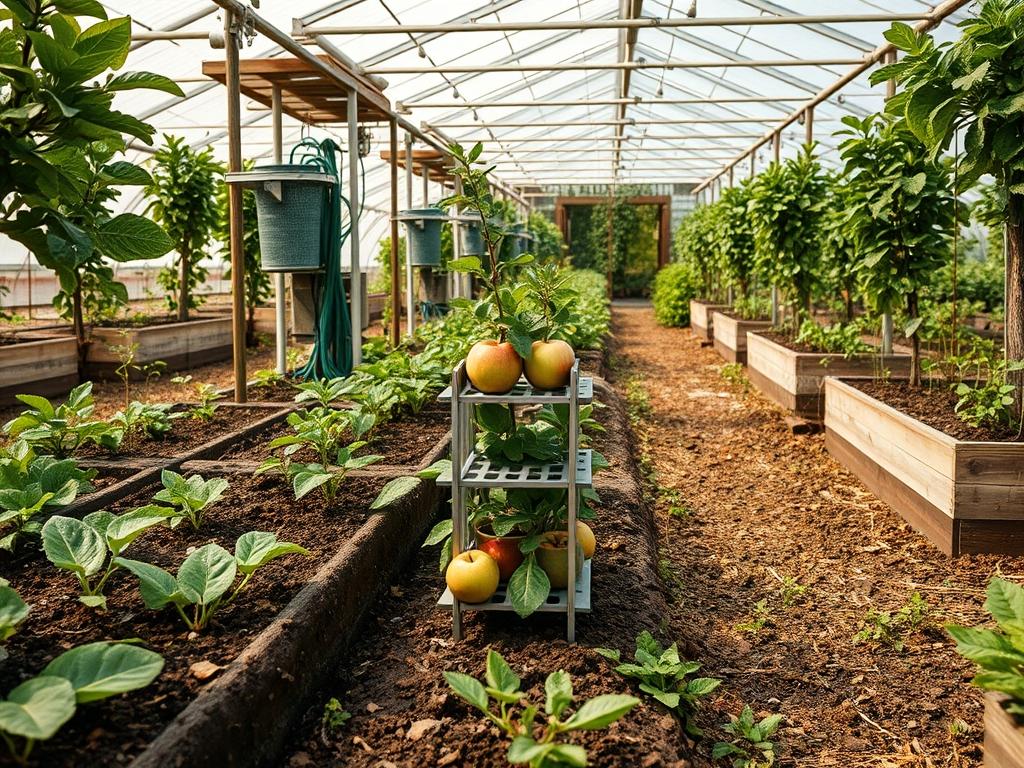
Landscape architecture is far more than the simple arrangement of ornamental shrubbery and flowering perennials. It is the sophisticated management of an outdoor environment to achieve a balance between aesthetic beauty and functional utility. For many estate owners, the ultimate goal of a landscape design is to create a productive ecosystem where the land provides sustenance. This is where the intersection of traditional horticultural practices and modern site planning becomes critical. The practice of traditional apple clamping, an ancient method of storing fruit within the earth, serves as a masterclass in utilizing the natural thermal properties of the soil. Integrating such a structure into a contemporary backyard requires a deep understanding of site grading, moisture management, and the overall circulation of the outdoor space.
When we approach the design of a functional orchard or kitchen garden, we must consider the climate of the specific micro-region. In temperate zones where winters are harsh, the soil serves as a massive heat sink. By burying fruit beneath layers of wheat straw and heavy soil, we can maintain a consistent temperature just above freezing. This prevents the cellular breakdown of the fruit that occurs during the cycle of freezing and thawing. From a landscape architect’s perspective, the challenge is to place these storage sites so they do not interfere with the visual flow of the property. A well-placed clamp should be tucked away in a utility zone or integrated into the secondary elevation layers of a tiered garden, ensuring it remains accessible but discreet.
Landscape Design Principles
To successfully integrate a traditional apple clamp into a modern landscape, several design principles must be prioritized. Symmetry often dictates the placement of fruit-bearing trees. A formal orchard might feature Malus domestica cultivars spaced precisely 15 feet apart, creating a corridor that leads the eye toward a focal point, such as a garden pavilion or a decorative water feature. The clamp itself should ideally be located at a high point in the topography to facilitate natural drainage. We utilize elevation layers to ensure that runoff from heavy rains does not pool around the storage site, which would lead to anaerobic conditions and fruit rot.
Visual balance is achieved by masking the functional aspects of the landscape with organic textures. While an apple clamp is essentially a mound of earth, its exterior can be treated as a temporary garden feature. Using Sedge or Native Grasses around the perimeter can soften the transition between the turf and the storage mound. Furthermore, irrigation planning must be adjusted in these zones. We typically design a separate zone for the orchard and utility areas, ensuring that the clamp site remains relatively dry during the storage months while the surrounding trees receive the deep hydration necessary for root health during dormancy.
Walkways are another essential consideration. During the late autumn and winter, the ground is often saturated or frozen. A stable path made of Crushed Granite or Permeable Pavers should lead from the main residence to the clamp. This prevents soil compaction and protects the lawn’s health. By treating the storage site as a destination within the garden, we transform a utilitarian need into a deliberate landscape element that emphasizes the connection between the inhabitant and the land.
Plant and Material Selection
| Plant Type | Sun Exposure | Soil Needs | Water Demand | Growth Speed | Maintenance Level |
| :— | :— | :— | :— | :— | :— |
| Malus domestica | Full Sun | Deep, Fertile Loam | Moderate | Medium | High |
| Triticum aestivum | Full Sun | Well-drained | Low | Fast | Low |
| Carex pensylvanica | Partial Shade | Sandy to Loamy | Low to Medium | Slow | Low |
| Buxus sempervirens | Full to Part Sun | Well-drained | Moderate | Slow | Medium |
| Festuca rubra | Full to Part Sun | Dry to Moist | Low | Medium | Low |
The choice of materials is just as important as the plant species. For clamping, Wheat Straw is the preferred insulator because it offers excellent air pockets that regulate gas exchange. The apples continue to respire after harvest, releasing ethylene gas. If this gas is trapped, the fruit will ripen too quickly and lose its crispness. The straw acts as a filter, allowing the gas to escape while retaining the high humidity required to prevent the skin of the fruit from shriveling.
Implementation Strategy
Planning a backyard layout for fruit storage begins with grading. The area must have a slope of at least 1 percent to 2 percent to channel water away from the excavation site. To build a clamp, start by selecting a dry, shaded location. Use a Square-Point Shovel to remove the top 6 inches of turf over a circular area about 4 feet in diameter. This shallow pit should be lined with a 3 inch layer of Coarse Sand or Gravel to provide a capillary break between the soil and the fruit.
Next, lay down a thick mat of Wheat Straw, at least 8 inches deep. The apples are then stacked in a conical shape. It is vital to only store unblemished fruit; a single bruised apple can release enough rot-inducing pathogens to ruin the entire harvest. Once the pile is formed, add another 6 inches of straw over the top. To protect the structure from precipitation and pests, cover the straw with a layer of Heavy Loam, approximately 10 inches thick. As you apply the soil, leave a small tuft of straw protruding from the top of the mound. This functions as a natural chimney or vent for gas exchange.
For the surrounding area, use Steel Edging to define the borders of the kitchen garden. This keeps the mulch, typically Hardwood Bark Mulch, from migrating onto the turf. Drainage is further improved by installing a French Drain or a simple Gravel Trench around the perimeter of the clamp. This ensures that even during a heavy spring melt, the interior of the storage mound remains dry and cool.
Common Landscaping Failures
The most frequent mistake in landscape planning for food storage is poor drainage. If the clamp is located in a low spot, it will collect water and turn the straw into a soggy mass that promotes mold. Another common failure is soil compaction. When heavy machinery or frequent foot traffic compresses the soil around the orchard, it destroys the pore spaces necessary for oxygen to reach the roots of the Malus domestica. This can lead to stunted growth and poor fruit quality.
Improper spacing is also a major issue. Many gardeners plant trees too close to retaining walls or property lines. As the root systems expand, they can exert significant pressure on Stone Retaining Walls, leading to structural failure. In the context of the clamp, placing it too close to an active irrigation line can lead to accidental flooding if a pipe bursts or a timer malfunctions. Finally, failing to use a rodent barrier, such as Quarter-Inch Hardware Cloth, can lead to infestation. Rats and mice find the warm, straw-filled mound an ideal winter home, and they will quickly consume the stored fruit.
Seasonal Maintenance
Landscape management is a year-round commitment. In the spring, the primary task is to clear the clamp as the ground thaws. The spent straw can be recycled as Mulch for the vegetable garden, provided it is free of mold. This is also the time for structural pruning of the apple trees to ensure light penetration and airflow through the canopy.
During the summer, irrigation is the focus. Use a Soaker Hose system to provide deep, infrequent watering that encourages roots to grow deep into the subsoil. This makes the trees more resilient to drought. In autumn, the harvest begins. This is the busiest time for the clamp, as it must be built and sealed before the first hard frost. Ensure the Shovels and Rakes are cleaned and sharpened for the heavy earthwork required.
Winter maintenance is mostly observational. Check the clamp after heavy snowfalls to ensure the vents are clear. If you notice any signs of burrowing animals, reinforce the perimeter with more soil or wire mesh. Monitoring the external temperature helps you decide when to begin using the fruit. Typically, apples stored this way will remain crisp and juicy well into late March.
Professional Landscaping FAQ
How deep should the excavation for an apple clamp be?
A depth of 6 inches is usually sufficient. The goal is to provide a stable base for the straw while remaining above the local water table to prevent moisture accumulation around the fruit.
Can I use maple leaves instead of straw for insulation?
Straw is superior because it does not compact as easily as leaves. Leaves tend to mat together when wet, which prevents necessary gas exchange and can trap moisture against the fruit skins.
What is the best soil type for covering the clamp?
A Heavy Loam with a high clay content is ideal. It provides excellent thermal mass and stays in place on the sloped sides of the mound better than sandy or loose soils.
How do I prevent rodents from entering the storage mound?
Line the bottom of the pit and the lower sides of the mound with Quarter-Inch Hardware Cloth. This heavy-duty wire mesh prevents mice and voles from tunneling into the straw layers.
When is the best time to build the clamp?
Construct the clamp in the late autumn, specifically after the fruit has been chilled by a few cool nights but before the ground has frozen solid. This ensures the apples are pre-cooled.