
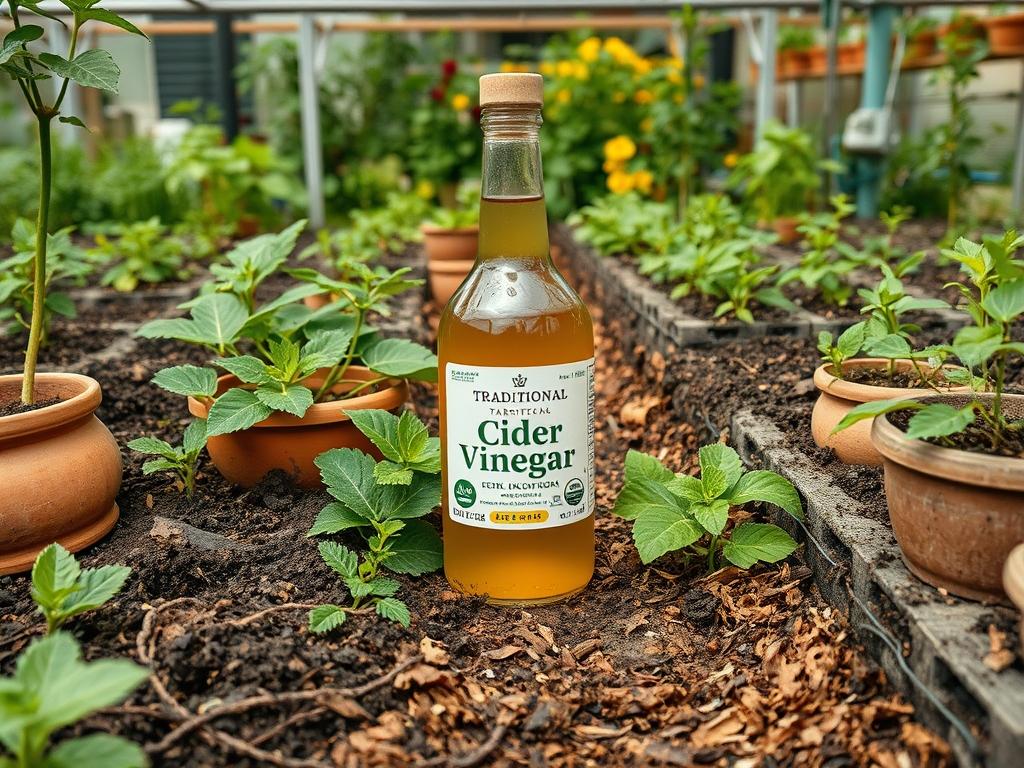
Cultivating a landscape that serves both aesthetic and utilitarian purposes requires a sophisticated understanding of spatial dynamics and biological cycles. When we approach garden planning from the perspective of a closed-loop system, common waste products like bruised fruit, cores, and peels transition from debris into valuable resources for Traditional Cider Vinegar. A professional landscape is not merely a collection of decorative flora, it is a living laboratory where the selection of cultivars directly influences the quality of the byproducts harvested throughout the year. For a landscape architect, the challenge lies in integrating productive elements like Malus domestica into a high-end design without sacrificing the clean lines or the architectural integrity of the outdoor space. We must consider the thermal mass of the property, the prevailing wind patterns that might affect fruit set, and the drainage vectors that ensure the health of the root systems.
Establishing a productive zone within a residential or commercial property elevates the curb appeal by providing seasonal interest, ranging from spring blossoms to heavy autumnal yields. Functionality is the primary driver here. By planning for the eventual collection of scraps for fermentation, we design access paths that accommodate maintenance equipment and facilitate easy harvesting. Proper grading ensures that moisture does not pool around the base of fruit-bearing trees, which prevents the fungal pathogens that could otherwise ruin the fermentation process before it begins. A well-planned garden is a machine for living, where the transition from a sprawling orchard to a refined patio space is seamless, intentional, and ecologically sound.
Landscape Design Principles
Symmetry serves as the foundation of any classically inspired landscape, providing a sense of order that balances the organic chaos of fruit production. When incorporating trees intended for Traditional Cider Vinegar production, we often utilize an allée or a formal grid pattern. This creates clear sightlines and emphasizes the focal point of the garden, whether that be a water feature or a central seating area. Elevation layers are equally critical. We place taller canopy trees at the rear or along the northern boundary of the site to provide a structural backdrop while ensuring that smaller understory plants receive adequate solar gain.
Walkways should be constructed from porous materials like decomposed granite or permeable pavers to assist with irrigation planning and runoff management. These paths serve as the circulatory system of the landscape, guiding the eye and the footsteps toward the utility zones. Visual balance is achieved by pairing the coarse texture of apple tree bark with the fine, softening textures of ornamental grasses or perennial herbs planted at the base. By treating the orchard as a formal garden room, we mask the utilitarian nature of fruit collection with architectural elegance.
Plant and Material Selection
| Plant Type | Sun Exposure | Soil Needs | Water Demand | Growth Speed | Maintenance Level |
| :— | :— | :— | :— | :— | :— |
| Malus domestica (Apple) | Full Sun | Well-drained Loam | Moderate | Medium | High |
| Pyrus communis (Pear) | Full Sun | Deep, Rich Soil | High | Medium | Moderate |
| Lavandula (Lavender) | Full Sun | Sandy/Gritty | Low | Fast | Low |
| Rosmarinus (Rosemary) | Full Sun | Poor, Dry Soil | Low | Medium | Low |
| Buxus (Boxwood) | Partial Shade | Moist, Neutral | Moderate | Slow | High |
| Fragaria (Strawberry) | Full Sun | High Organic Matter | Moderate | Fast | Moderate |
The selection of Malus domestica varieties is the most critical decision for those interested in Traditional Cider Vinegar. Heritage varieties such as Kingston Black or Dabinett provide the necessary tannins and acidity levels that modern grocery store cultivars lack. These trees should be budded onto semi-dwarf rootstocks to keep the terminal height manageable for a residential setting. Complementing these with Lavandula or Rosmarinus not only adds a sensory layer to the garden but also attracts pollinators essential for a heavy fruit set.
Implementation Strategy
The process begins with a comprehensive site analysis. We start by grading the land to a 2 percent slope away from any permanent structures to prevent foundation saturation. This grading also directs surplus rainwater toward bioswales or underground cisterns, which can be tapped for irrigation during the dry summer months. Once the topography is set, we define the beds using steel edging or stone masonry. This creates a crisp transition between the manicured turf and the productive mulch zones.
A critical step in the implementation is the application of mulch. We recommend a 3 to 4 inch depth of double-shredded hardwood mulch, which suppresses weeds and regulates soil temperature. This mulch layer eventually breaks down, contributing to the humic content of the soil and supporting the microbial life necessary for healthy trees. When planting, the root flare of the Malus should remain slightly above the finished grade to prevent trunk rot. Irrigation lines, specifically pressure-compensated drip emitters, are installed beneath the mulch to deliver water directly to the root zone, minimizing evaporation and foliar disease.
Hardscaping elements, such as retaining walls made from natural fieldstone, can be used to create terraced levels on sloped properties. These walls provide an excellent opportunity to incorporate “cold frames” or fermentation sheds where the garden scraps are processed into vinegar. By integrating these structures into the masonry of the landscape, they become part of the architectural language rather than seasonal afterthoughts.
Common Landscaping Failures
The most frequent error in productive landscaping is improper spacing. High-density planting might look lush in the first two years, but as the trees mature, they compete for light and nutrients. This results in poor fruit quality and increased susceptibility to pests. Professionals avoid this by calculating the mature spread of each species and ensuring at least 10 to 15 feet of clearance between canopy edges for adequate airflow.
Drainage mistakes can be equally catastrophic. Soil compaction from heavy machinery during construction often leads to “bathtubbing,” where water traps in the planting hole and drowns the roots. We utilize soil augers and core aeration to break up compacted subsoil before any planting occurs. Furthermore, over-irrigation is a common failure. Trees intended for cider vinegar production benefit from a slight amount of stress, which concentrates the sugars and acids in the fruit. System sensors should be calibrated to avoid saturated conditions, which can dilute the flavor profile of the eventual cider must.
Seasonal Maintenance
Spring is the season of structural intervention. Before the buds break, we perform thinning cuts to remove diseased or crossing branches. This opens the canopy to sunlight, which is vital for the development of the fruit that will eventually become our vinegar base. We also apply a balanced organic fertilizer to the drip line, providing the nitrogen necessary for the initial growth flush.
Summer maintenance focuses on water management and pest monitoring. We check the tension of the irrigation lines and ensure the mulch depth is maintained. This is also the time for “summer pruning,” which involves pinching back water sprouts to redirect energy toward fruit maturation. In autumn, the focus shifts to harvesting and property sanitation. Fallen fruit should be collected promptly; the best pieces are used for cider while the “scraps” are set aside for the vinegar crock. This sanitation prevents pathogens from overwintering in the soil.
Winter is the time for dormancy management and hardscape inspection. We check for frost heaving in the walkways and apply protective wraps to the trunks of young trees to prevent sunscald. This cyclical approach ensures that the landscape remains a high-performing asset that yields both beauty and a steady supply of artisanal products.
Professional Landscaping FAQ
How do I choose the best spot for my cider trees?
Select a location with at least eight hours of daily sunlight and well-drained soil. Avoid low-lying areas where frost pockets can settle, as these can kill early spring blossoms and ruin your entire fruit harvest for the year.
Can I make vinegar from any apple scraps?
While you can use any variety, heritage cider apples provide the best tannin structure. Ensure the scraps are free from mold and heavy bruising. The natural yeasts on the skins are vital for the fermentation process in Traditional Cider Vinegar.
What is the best mulch for a productive orchard?
Arborist wood chips or double-shredded hardwood mulch are ideal. These materials regulate soil temperature and moisture while slowly decomposing into nutrient-rich organic matter. Avoid dyed mulches, as they may contain chemicals that could leach into your fruit trees.
How often should I prune my fruit-bearing trees?
Perform major structural pruning during the dormant winter season. A secondary light thinning in mid-summer helps maintain the shape and encourages better light penetration. Consistent pruning ensures the tree remains healthy and produces high-quality scraps for your vinegar projects.
Why is drainage so important for fruit quality?
Poor drainage leads to root rot and anaerobic soil conditions. When roots are stressed by standing water, the fruit produced is often bland and lacks the concentrated sugars and acids required for a robust, high-quality Traditional Cider Vinegar.