
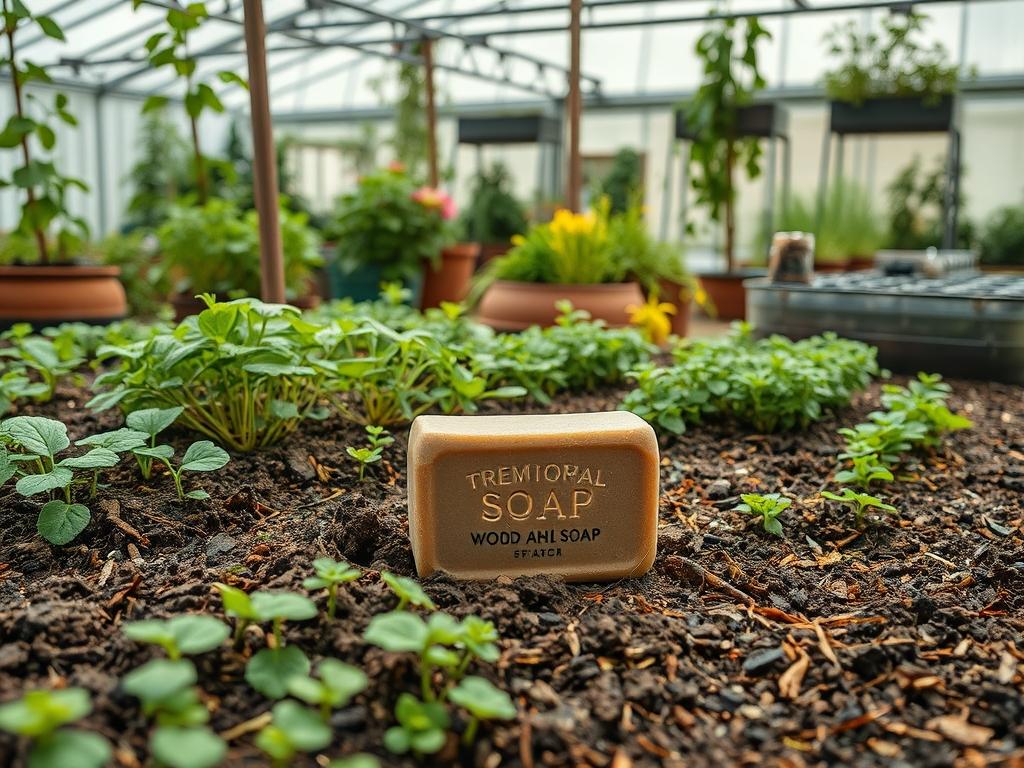
Integrating utility into high-end landscape architecture requires a shift from purely aesthetic considerations to a resource-based perspective. When we design outdoor environments, we often focus on the visual harmony of site lines, but a truly functional landscape serves as a closed-loop system providing raw materials for artisanal pursuits. The production of Traditional Wood Ash Soap is perhaps the most ancient example of this synergy, where the byproduct of seasonal pruning and controlled garden fires transforms into a valuable household resource. Designing a garden that facilitates this process involves meticulous planning of fuel sources, fire zones, and drainage systems to ensure the resulting ash is pure and chemically viable. This approach enhances curb appeal by introducing structured, stone-clad fire features while simultaneously addressing the practical need for biomass disposal in a sustainable, elegant manner.
Successful landscape design for ash production begins with site analysis and the strategic placement of the hearth. We must account for the local climate, specifically prevailing wind patterns, to prevent smoke from interfering with the primary residence or outdoor dining areas. A well-designed landscape utilizes elevation changes to define the transition from manicured turf to functional utility zones. By incorporating a dedicated zone for a fire pit or outdoor fireplace, the designer creates a compelling focal point that encourages social interaction while serving as the primary processing center for the wood harvest. The materials used in these areas, such as Natural Fieldstone or Cast Concrete, must be heat-resistant and positioned over a stable foundation of Compact Road Base and Sand to prevent shifting during freeze-thaw cycles.
Landscape Design Principles
Symmetry and visual balance are essential when integrating a utility-focused fire feature into a luxury landscape. A common approach is the use of the golden ratio to size the fire pit in relation to the surrounding patio, ensuring the scale neither overwhelms the site nor appears insignificant. We utilize focal points to draw the eye toward the hearth, often framing the view with pyramidal evergreens or structured hedging. Elevation layers play a critical role here; by depressing the fire zone slightly or elevating it on a stone plinth, we create a sense of enclosure and purpose.
Irrigation planning is particularly sensitive in areas dedicated to ash collection. Water must be kept away from the fire feature to keep the raw ash dry, as moisture can prematurely leach out the potassium carbonate needed for soap. Therefore, we design the site with a slight 2 percent grade sloping away from the fire pit. Walkways should consist of non-combustible materials like Decomposed Granite or Flagstone, providing a safe path for transporting firewood from the storage sheds to the burner. This layout ensures that the workflow of harvesting, burning, and collecting remains efficient and clean.
Plant and Material Selection
The quality of Traditional Wood Ash Soap is directly influenced by the species of trees planted within the landscape. Hardwoods are preferred as they produce a more concentrated lye. The following table outlines the best plant selections for a garden that provides both aesthetic beauty and high-quality soap-making materials.
| Plant Type | Sun Exposure | Soil Needs | Water Demand | Growth Speed | Maintenance Level |
| :— | :— | :— | :— | :— | :— |
| White Oak | Full Sun | Deep, acidic | Moderate | Slow | Low |
| Sugar Maple | Part Shade | Well-drained | Moderate | Medium | Medium |
| Hickory | Full Sun | Rich, moist | High | Slow | Low |
| English Lavender | Full Sun | Sandy, alkaline | Low | Medium | High |
| River Birch | Full Sun | Wet, acidic | High | Fast | Medium |
| Boxwood | Part Shade | Loamy | Moderate | Slow | High |
Implementation Strategy
Planning a backyard layout for ash production requires a phased construction approach. First, we address the grading. The site should have a dedicated drainage plan that includes French Drains or Catch Basins to handle runoff without contaminating the ash pit. Once the sub-grade is established, we install the hardscaping. The fire feature should be lined with Fire Bricks and held together with High-Temperature Mortar to withstand the intense heat required to reduce hardwood to fine white ash. Around the perimeter, a layer of Hardwood Mulch should be avoided in favor of River Rock or Pea Gravel to reduce fire risk.
Next, we establish the edging. Steel or stone edging provides a crisp border between the functional fire zone and the lush planting beds. When planting the surrounding area, we prioritize Native Plants that can withstand occasional heat fluctuations and ash drift. The goal is to create a buffer zone that looks intentional. Finally, we install the irrigation system, ensuring that Drip Lines are buried at least 12 inches deep and kept well away from the heat source to prevent the melting of poly-tubing.
Common Landscaping Failures
One of the most frequent mistakes in landscape planning for Traditional Wood Ash Soap is poor drainage management. If rain permeates the ash collection area, the resulting lye can leach into the soil, drastically raising the pH and killing nearby vegetation. This creates a “dead zone” where even hardy species struggle to survive. Overcrowding of root systems is another issue; planting large hardwoods too close to retaining walls or fire pits leads to structural failure as the roots expand. We recommend a minimum clearance of 15 feet from the center of the fire pit to any significant tree trunk.
Irrigation inefficiencies also plague many amateur designs. Sprinkler heads that overspray into the fire pit not only ruin the ash but can cause thermal shock to the stone masonry, leading to cracks. Soil compaction is a hidden danger in utility zones. Heavy foot traffic during wood hauling packs the earth, preventing oxygen from reaching the roots of the very trees you are trying to grow for fuel. Utilizing Step Stones or Permeable Pavers can mitigate this effect by distributing weight more evenly across the landscape.
Seasonal Maintenance
Landscape management for the purpose of soap production follows the cycle of the seasons. In the spring, the focus is on structural pruning. Removing dead or crossing branches from Oaks and Maples provides the primary fuel source for the coming months. This is also the time to inspect the hearth for any mortar cracks that occurred during winter. Summer requires diligent irrigation monitoring to ensure the fuel-producing trees are not stressed, as healthy wood produces cleaner ash.
Autumn is the peak season for garden fires and ash collection. As the leaves fall, they can be composted, but the woody debris should be dried and burned. It is vital to store the ash in a Stainless Steel Container with a tight lid to keep it dry and potent. During winter, the landscape architect focuses on protection. High-alkaline ash should be kept away from acid-loving plants like Azaleas or Blueberries. By clearing snow from the fire zone and ensuring the wood storage remains ventilated, you prepare the site for the next cycle of production.
Professional Landscaping FAQ
What is the best wood for Traditional Wood Ash Soap?
Hardwoods like Oak, Hickory, and Beech are superior. They contain high concentrations of potassium, which creates a stronger lye. Avoid softwoods like Pine or Cedar, as their resinous sap can interfere with the saponification process and produce a softer soap.
How much ash is needed for a standard batch?
Typically, you need enough ash to fill a 5-gallon Bucket about halfway. This provides sufficient volume to leach enough lye for several bars of soap. Always ensure the ash is sifted through a Fine Mesh Screen to remove large charcoal bits.
Can ash runoff damage my lawn?
Yes, concentrated ash is highly alkaline. If it washes onto your turf, it can cause chemical burns to the grass blades. Always design your fire zone with a Retaining Lip or Graded Swale to contain the ash and manage water runoff safely.
How do I test the lye strength?
Traditional methods involve floating a Fresh Egg in the lye solution. If it floats with a small area exposed, the concentration is correct. For modern precision, use pH Strips to ensure the lye reaches a level of approximately 13 before mixing with fats.
Is it safe to burn treated wood for soap?
Never use pressure-treated lumber, painted wood, or plywood. These materials contain Arsenic, Chromium, and toxic adhesives that will contaminate your Traditional Wood Ash Soap. Only burn natural, untreated garden waste and clean hardwood logs from your own landscape harvest.