
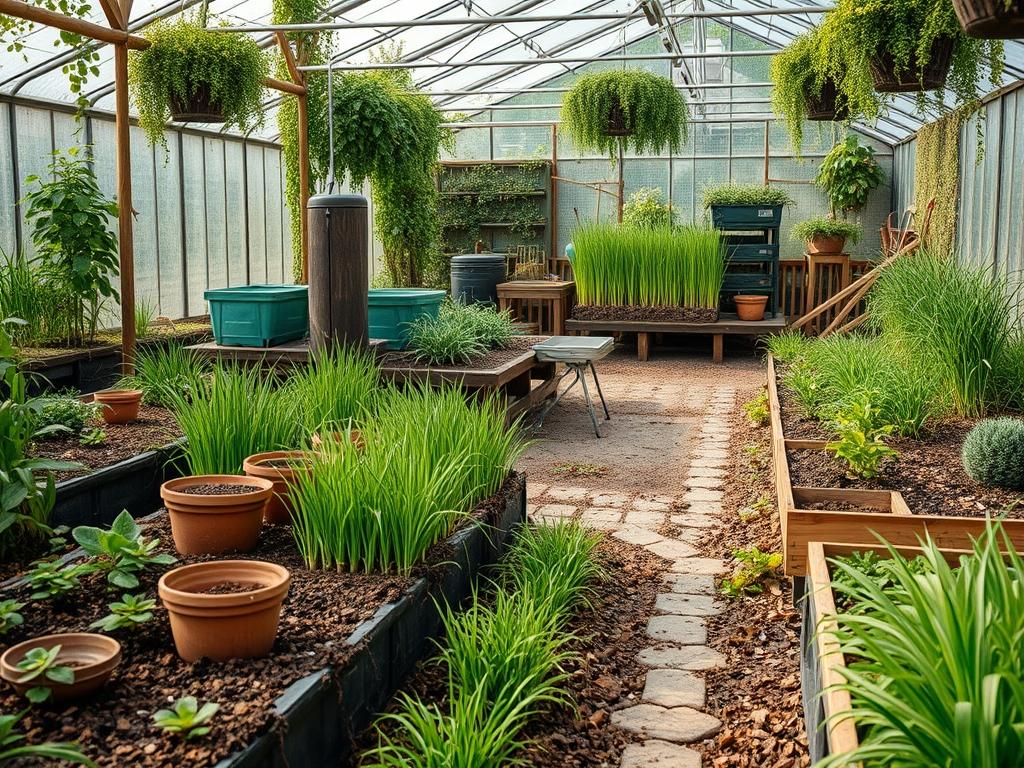
Integrating native grass thatching into a modern landscape offers a unique intersection of historical craftsmanship and ecological sustainability. As interest in vernacular architecture and low-impact building grows, landscape architects are increasingly turning to the cultivation of specific grass species to provide both raw materials and aesthetic value. The primary challenge lies in balancing the unruly nature of high biomass grasses with the refined expectations of residential or commercial curb appeal. Successfully managing a landscape dedicated to thatching requires a deep understanding of local climate zones, soil hydrology, and the structural properties of the plants themselves. When executed with precision, these gardens serve a dual purpose; they act as a functional production plot while providing a dramatic, waving backdrop that enhances the outdoor living experience.
A well planned landscape for native grass thatching must provide enough square footage to yield a harvestable volume without overwhelming the surrounding design. Strategic placement of these grasses can create natural privacy screens or windbreaks, effectively defining the boundaries of an outdoor room. Designers must consider the lifecycle of the material, recognizing that the most productive harvest occurs once the grass has reached full maturity and entered dormancy. This cycle dictates the seasonal visual identity of the landscape, shifting from the lush greens of early summer to the rich ambers and tans of winter. By treating the grass stands as a sculptural element rather than just a utility crop, site planners can ensure that the property remains visually compelling even during the off-season.
Landscape Design Principles
Effective landscape design for harvesting sites relies on the principle of elevation layers to ensure visibility and accessibility. Taller species intended for thatching, such as Prairie Cordgrass, should be positioned in the background or along the perimeter of the property. This placement prevents the tall, dense culms from obstructing views of low-profile focal points like patios or water features. For a balanced look, designers often employ symmetry by flanking entryways with matched stands of grass, which provides a sense of intentionality and order. Integrating these tall stands with shorter, clump-forming ornamental grasses in the foreground creates a tiered effect that mimics the natural transition of a prairie edge.
Walkway planning is another critical component when growing materials for native grass thatching. Because the harvesting process involves transporting large bundles of dry material, paths must be wide enough to accommodate maintenance equipment without trampling the roots. A minimum width of 48 inches for primary access paths is recommended. These walkways should be constructed from permeable materials like crushed stone or stabilized gravel to prevent soil compaction, which can negatively impact the yield of the crop. Incorporating subtle curves into the path layout adds a sense of discovery to the garden, while also providing logical break points where irrigation valves or drainage grates can be inconspicuously installed.
Visual balance is achieved by contrasting the fine textures of the native grasses with bold hardscaping elements. Retaining walls made of natural fieldstone or clean lined concrete provide a structural counterpoint to the soft, swaying movement of the stalks. These walls can also serve a functional role in grading, allowing for the creation of level planting beds that facilitate even water distribution. When planning focal points, a thatched gazebo or a rustic shed featuring the harvested material can serve as a powerful demonstration of the landscape’s utility. This creates a narrative loop where the site produces the very materials used to enhance its own structural beauty.
Plant and Material Selection
| Plant Type | Sun Exposure | Soil Needs | Water Demand | Growth Speed | Maintenance Level |
| :— | :— | :— | :— | :— | :— |
| Prairie Cordgrass | Full Sun | Heavy Clay/Wet | High | Fast | Moderate |
| Switchgrass | Full Sun/Part | Diverse/Sandy | Low to Med | Moderate | Low |
| Little Bluestem | Full Sun | Well Drained | Low | Moderate | Very Low |
| Bluejoint Grass | Full Sun/Part | Moist/Acidic | High | Fast | Moderate |
| Yellow Indian Grass | Full Sun | Deep/Loamy | Moderate | Moderate | Low |
Implementation Strategy
The implementation of a production-focused landscape begins with rigorous site grading and soil preparation. Most grasses suitable for native grass thatching thrive in specific moisture regimes; for example, Prairie Cordgrass requires sites that retain moisture, whereas Switchgrass is more adaptable to upland areas. The site should be graded to allow for slow surface drainage, preventing the standing water that leads to root rot while ensuring the deep roots have access to consistent hydration. Use a laser level to verify that the slope falls away from residential foundations at a rate of at least 2 percent.
Once the grade is established, designers should define the planting zones using heavy duty steel edging or concrete curbing. This prevents the aggressive rhizomes of certain native species from invading ornamental flower beds or lawn areas. Before planting, the soil should be amended with organic compost to improve structure, but avoid over-fertilizing with nitrogen, as this can lead to weak, floppy culms that are unsuitable for thatching. A mulch depth of 3 inches using shredded bark or pine needles can help suppress weeds during the establishment phase, though once the grasses reach maturity, their dense canopy will naturally shade out most competitors.
Irrigation planning must account for the specific needs of the harvest. Underground drip irrigation is highly efficient for these deep-rooted plants, delivering water directly to the root zone and minimizing evaporation. During the final months before harvest, water delivery should be gradually reduced to encourage the plant to harden its tissues, increasing the lignin content in the stalks. This hardening process is vital for ensuring the longevity of the thatch. For hardscaping integration, ensure that all retaining walls and paved areas have adequate weep holes and perforated drain pipes installed behind them to manage the significant runoff generated by high-density grass stands during heavy rain events.
Common Landscaping Failures
One of the most frequent failures in managing native grass thatching plots is improper spacing. When plants are crowded too closely, air circulation is restricted, leading to fungal pathogens and rust that degrade the quality of the straw. Each plant requires enough space to reach its full circumference without competing for light; for large species, a spacing of 36 to 48 inches between centers is often necessary. Furthermore, soil compaction from heavy foot traffic or machinery can stunt growth and reduce the diameter of the stalks, making them too brittle for weaving or bundling.
Drainage mistakes also rank high among common failures. While some thatching grasses love moisture, none can survive in anaerobic, stagnant water for extended periods. Failing to install a proper drainage system, such as a French drain or a dry creek bed, can result in a patchy, unhealthy stand that lacks the uniform height required for professional roofing applications. Additionally, many homeowners fail to account for the weight of the grass when it is wet or laden with snow. Without structural support or strategic grouping, tall grasses may lodge, or fall over permanently, which ruins the harvest and creates a messy appearance that detracts from the home’s curb appeal.
Seasonal Maintenance
Spring maintenance focuses on clearing the previous year’s debris and preparing the crowns for new growth. If the grass was not harvested in the winter, it should be cut back to a height of 6 inches using a reciprocating saw or high powered hedge trimmers before the first green shoots emerge. This is also the ideal time to inspect the irrigation system for leaks and to refresh mulch layers. As the weather warms, monitor for early weed competition and remove invasive species by hand to avoid disturbing the native root systems.
Summer and autumn are the primary growth and maturation phases. During the peak of summer, deep watering twice a week is usually sufficient for established stands. By late autumn, the grass will begin to bronze. This is the critical window for harvesting, typically occurring after the first hard frost when the sap has returned to the roots and the stalks have dried naturally on the stump. Use a sharp sickle or scythe to cut the stalks as close to the ground as possible. Bundles should be tied with natural twine and stored in a dry, ventilated area to complete the curing process. In winter, the landscape should be left with minimal disturbance to allow the remaining root structures to insulate the soil and provide habitat for local pollinators.
Professional Landscaping FAQ
Which native grass is most durable for thatch?
Prairie Cordgrass is widely considered the most durable due to its high silica content and thick cell walls. It resists decay significantly longer than softer meadow grasses, providing a lifespan of several decades when installed by a professional.
How much land is needed for a small roof?
For a small garden structure, you generally need a planting area roughly 10 times the size of the roof surface. This ensures a sufficient volume of high quality, uniform culms while accounting for material loss during the cleaning and bundling process.
Do these grasses require heavy fertilization for harvesting?
No, heavy nitrogen application is actually detrimental. It produces lush, weak growth that breaks easily. Native grasses for thatching prefer lean, well drained soils where they can develop strong, fibrous stalks over a longer, natural growing season.
When is the best time to harvest for material?
The optimal harvest occurs in late autumn or early winter. You must wait until the plant has fully entered dormancy and the moisture content in the stalks has dropped significantly, ensuring the material will not mold during storage.
Can I grow these grasses in large containers?
While possible for ornamental purposes, containers are generally unsuitable for production. The deep, expansive root systems of thatching grasses require significant soil volume and consistent hydraulic pressure to produce the tall, straight culms necessary for functional native grass thatching.