
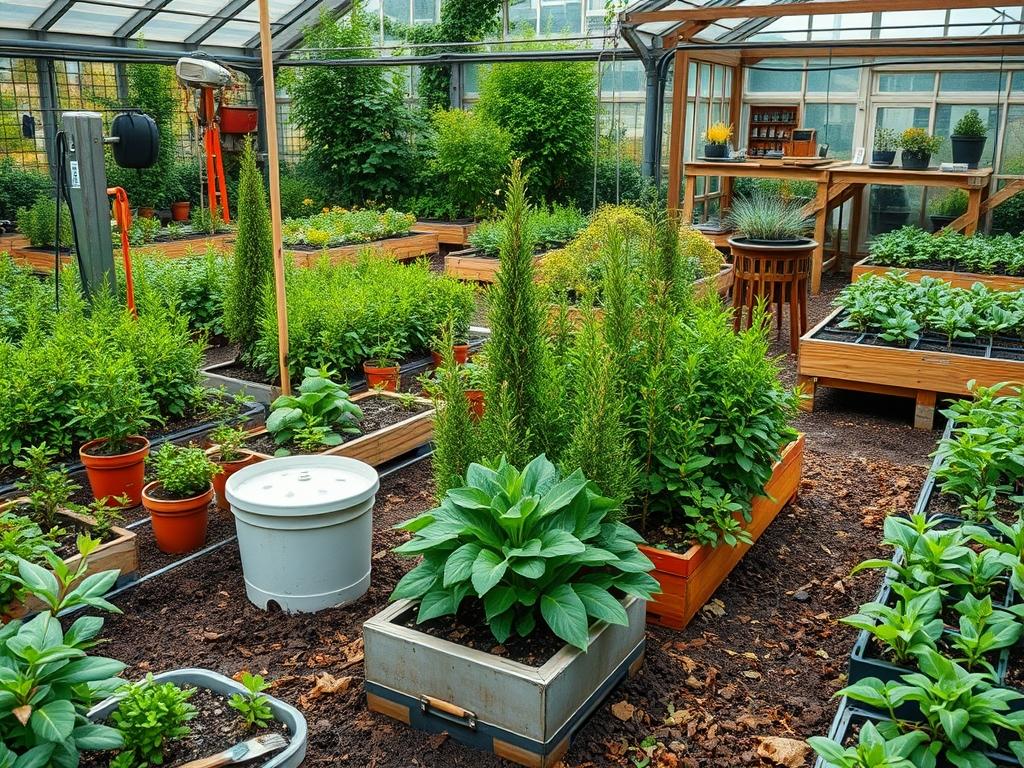
Establishing a high performance landscape requires more than just an aesthetic eye; it demands an intimate understanding of plant biology and local ecology. For many property owners, the primary challenge lies in the escalating cost of mature nursery stock, which can make large scale native restoration or privacy screening projects prohibitively expensive. Native shrub propagation through softwood cuttings offers a strategic solution, allowing landscape architects and homeowners to produce hundreds of genetically identical plants from a single parent specimen. This approach secures the genetic integrity of a site while ensuring that the resulting shrubs are perfectly adapted to the local microclimate. Beyond the economic benefits, integrating propagated native shrubs into a landscape design enhances curb appeal by providing seasonal interest and structural definition. Whether you are aiming to stabilize a slope, define a property boundary, or create a layered transition between a formal lawn and a wilder woodland edge, mastering the art of the softwood cutting is a fundamental skill for any serious outdoor environment consultant.
Landscape Design Principles
Successful landscape design balances functional requirements with aesthetic harmony. When planning a garden that incorporates propagated native shrubs, symmetry and focal points serve as the cognitive anchors for the viewer. A well placed Viburnum dentatum (Arrowwood Viburnum) can act as a stunning focal point during its spring flowering phase, while a symmetrical arrangement of Cornus sericea (Redosier Dogwood) along a walkway provides a rhythmic, architectural look that persists even in the winter months. Design elevation layers by placing low growing shrubs at the foreground, medium shrubs in the mid-ground, and taller species at the rear to create a three dimensional sense of depth.
Functional walkways and circulation paths must be considered early in the planning process. Ensure that the ultimate spread of your propagated shrubs does not encroach on pedestrian areas, which typically requires a clearance of at least 3 feet from the edge of a path. Irrigation planning is equally critical; grouping plants with similar water needs, a practice known as hydrozoning, ensures that young, propagated cuttings receive the consistent moisture they need without overwatering established specimens. Visual balance is achieved by distributed massing, where the weight of a large shrub cluster on one side of a yard is balanced by a hardscape element or a different grouping of textures on the other.
Plant and Material Selection
Selecting the right species for softwood propagation is the first step toward a thriving landscape. Softwood refers to the new, green growth of the current season that has begun to mature but has not yet become woody.
| Plant Type | Sun Exposure | Soil Needs | Water Demand | Growth Speed | Maintenance Level |
| :— | :— | :— | :— | :— | :— |
| Cornus sericea | Full Sun / Part Shade | Moist, Clay | High | Fast | Moderate |
| Physocarpus opulifolius | Full Sun / Part Shade | Adaptable, Well-drained | Medium | Fast | Low |
| Sambucus canadensis | Full Sun / Part Shade | Rich, Moist | High | Very Fast | High |
| Hydrangea quercifolia | Part Shade / Shade | Humus-rich | Medium | Moderate | Moderate |
| Ilex verticillata | Full Sun / Part Shade | Acidic, Wet | High | Slow | Low |
| Cephalanthus occidentalis | Full Sun / Part Shade | Wet, Poor drainage | Very High | Fast | Low |
For the propagation process, high quality materials are essential. You will need sharp bypass pruners or a scalpel for clean cuts, a rooting hormone (either liquid or powder) containing IBA (indole-3-butyric acid), and a sterile growing medium such as a 1:1 mix of perlite and peat moss.
Implementation Strategy
The implementation of a native shrub project begins with precise site grading. Before planting your rooted cuttings, ensure the land slopes away from residential structures at a minimum 2 percent grade to prevent water accumulation near foundations. Edging should be installed to create a clean transition between turf and shrub beds, preventing grass rhizomes from invading the root zones of your new plants.
To start the propagation, take your cuttings in late spring or early summer when the new shoots are flexible but “snap” when bent sharply. Each cutting should be 4 to 6 inches long. Remove the leaves from the bottom half of the stem to expose the nodes, dip the base into rooting hormone, and insert it into a tray filled with the perlite and peat moss mixture. Place the tray in a high humidity environment, such as a mini greenhouse or under a plastic dome, away from direct sunlight.
Once the cuttings have developed a robust root system, typically within 6 to 8 weeks, they can be hardened off and moved to a nursery bed. When moving them to their final landscape positions, dig a hole twice as wide as the root ball but no deeper. Apply a 3 inch layer of organic mulch, such as shredded hardwood, around the base of the shrubs, ensuring the mulch do not touch the bark of the stem. This depth is ideal for moisture retention and weed suppression without suffocating the roots.
Common Landscaping Failures
One of the most frequent failures in native shrub landscapes is improper drainage. If the soil remains saturated without adequate aeration, the roots of young shrubs will succumb to rot. This is often caused by a lack of topographic variation or by planting in heavy, compacted clay without any soil amendments. Soil compaction is a silent killer in new construction areas where heavy machinery has compressed the earth, preventing oxygen from reaching the rhizosphere.
Another common mistake is root overcrowding. It is tempting to plant shrubs closely together for immediate impact, but this leads to competition for nutrients and poor air circulation, which invites fungal diseases like powdery mildew. Improper spacing often results in the need for aggressive pruning later, which can distort the natural form of the native shrub. Finally, irrigation inefficiencies, such as using overhead sprays that wet the foliage rather than the soil, can lead to leaf spot diseases and significant water waste through evaporation.
Seasonal Maintenance
Landscape management is a year round commitment that changes with the biological needs of the plants. In spring, focus on structural pruning and the application of a slow release organic fertilizer if a soil test indicates deficiencies. This is also the time to refresh mulch layers before the heat of summer arrives. During the summer, the primary task is monitoring soil moisture. Native shrubs, once established, are often drought tolerant, but they require consistent irrigation during their first two growing seasons to ensure deep root penetration.
Autumn is the ideal time for “canning up” or transplanting established cuttings into their permanent homes. The cooler temperatures and increased rainfall reduce transplant shock. It is also the season to remove any diseased foliage from the site to prevent pathogens from overwintering. In winter, maintenance involves protecting young shrubs from deer browsing with wire cages or organic repellents. You can also perform dormant pruning on species like Physocarpus opulifolius (Ninebark) to thin out old wood and encourage vigorous new growth in the following season.
Professional Landscaping FAQ
When is the best time to take softwood cuttings?
The optimal window is late spring through early summer. Look for new growth that is firm enough to snap when bent but has not yet turned brown and woody. Early morning is the best time for harvesting to ensure maximum turgidity.
What medium works best for rooting native shrubs?
A sterile mixture of 50 percent perlite and 50 percent peat moss provides the ideal balance of aeration and moisture retention. Avoid using standard garden soil for cuttings, as it is often too heavy and may contain pathogens that cause rot.
How long does it take for a cutting to root?
Most native shrubs will produce sufficient roots within 4 to 10 weeks. You can check for progress by gently tugging on the stem; resistance indicates that roots have begun to anchor into the medium. Do not disturb them too early.
Do I need to use rooting hormones for native species?
While some species like Sambucus root easily in water, using a rooting hormone significantly increases the success rate and speed for most native shrubs. It helps the plant transition from vegetative growth to root production more efficiently.
How do I prevent my cuttings from wilting?
High humidity is essential because the cutting has no roots to take up water. Use a clear plastic dome or a misting system to maintain a 90 percent humidity level around the foliage until the root system has developed enough to sustain the plant.