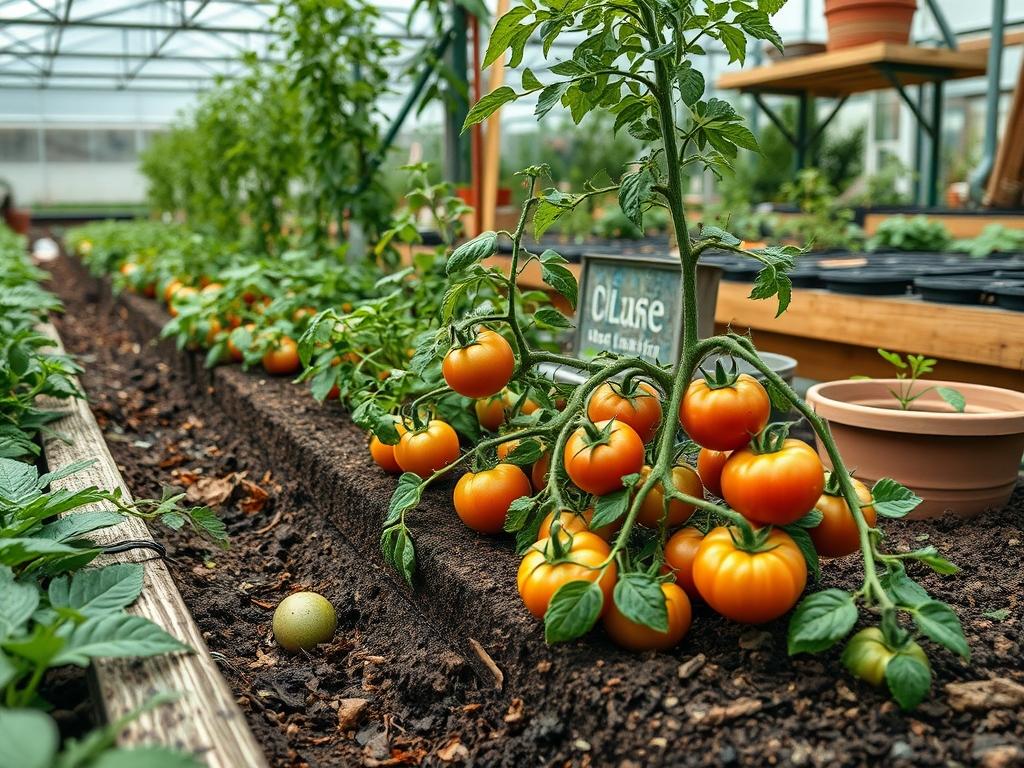
Integrating a productive edible garden into a high end residential landscape requires a sophisticated balance between aesthetic appeal and biological function. When the primary objective involves saving heirloom tomato seeds for flavor and genetic purity, the landscape architect must look beyond simple aesthetics. One must design an environment that manages microclimates, controls cross pollination, and facilitates the rigorous harvesting cycles necessary for seed preservation. The challenge lies in maintaining curb appeal while dedicating significant square footage to Solanum lycopersicum. Most homeowners want the reward of ancient, flavor rich varieties like Brandywine or Cherokee Purple without transforming their backyard into a chaotic agricultural plot. By utilizing structured design principles, specialized irrigation, and strategic elevation layers, we can create a garden that functions as both a sanctuary and a seed bank.
Success in seed saving begins with site analysis. We must consider the movement of wind and the behavior of local pollinators. To preserve the genetic integrity of an heirloom variety, one must ensure that different cultivars are separated by enough distance to prevent unwanted hybridization. In a standard suburban lot, this often means leveraging the physical structure of the home or large scale hardscaping features to act as barriers. Proper drainage is equally critical; if the soil becomes anaerobic during the fruiting season, the internal chemistry of the tomato changes, which can lead to poor seed viability and muted flavor profiles. Therefore, the implementation of French drains or Slotted PVC pipes buried beneath the planting beds ensures that excess moisture moves away from the root zones during heavy storm events.
Landscape Design Principles
A professional landscape designed for seed saving should prioritize symmetry and accessibility. Because saving heirloom tomato seeds requires the fruit to reach full maturity on the vine, the plants will often remain in the landscape longer than those in a traditional vegetable garden. To manage this, we use the principle of focal points. A hand crafted Redwood obelisk or a series of Powder coated steel cages can serve as an architectural element that supports the plant while providing a structured, intentional look. These vertical elements should be spaced at least 36 inches apart to allow for maximum airflow, which reduces the risk of fungal pathogens that can degrade seed quality.
Elevation layers play a vital role in both visual interest and practical management. By utilizing Stacked fieldstone or Pressure treated timber to create raised beds, we elevate the root zone above the natural grade. This improves soil temperature regulation and allows for precise control over the growing medium. Walking paths should be designed with wide berths, using materials like Decomposed granite or Bluestone pavers to prevent soil compaction. When soil is compacted, oxygen cannot reach the roots, which negatively impacts the metabolic processes that develop complex sugars and acids within the fruit. A well planned walkway ensures that even during the peak harvest season, the landscape remains navigable and organized.
Plant and Material Selection
The following table outlines the specific requirements for common heirloom varieties and the supportive materials needed to ensure a successful seed saving cycle.
| Plant or Material | Sun Exposure | Soil Needs | Water Demand | Growth Speed | Maintenance Level |
| :— | :— | :— | :— | :— | :— |
| Mortgage Lifter | Full Sun | Loamy/High Potash | Moderate | Fast | High |
| Amana Orange | Full Sun | Well Draining | High | Moderate | Medium |
| San Marzano | Full Sun | High Calcium | Consistent | Medium | Medium |
| Sweet Basil | Partial/Full | Nitrogen Rich | Moderate | Fast | Low |
| Hardwood Mulch | N/A | Weed Barrier | N/A | N/A | Low |
| Drip Tubing | N/A | Consistent Delivery | High Efficiency | N/A | Low |
Implementation Strategy
The transition from a design on paper to a functioning seed saving landscape requires a systematic approach to site preparation. First, the area must be graded to a 2 percent slope to ensure that surface water does not pool around the base of the tomato plants. Root rot is the primary enemy of the heirloom gardener, and proper grading is the first line of defense. Once the grade is established, we install the primary hardscaping features. Retaining walls should be constructed using Filter fabric and ¾ inch crushed stone for backfill to allow for lateral drainage.
After the structural elements are in place, the focus shifts to the irrigation system. For saving heirloom tomato seeds, overhead watering is unacceptable. Water on the foliage increases the risk of early blight and septoria leaf spot, both of which can weaken the plant and lead to inferior seeds. Instead, we install a Drip irrigation system with 0.5 GPH emitters placed directly at the base of each plant. This allows for deep, infrequent watering that encourages the roots to grow deep into the soil profile.
Following the irrigation setup, the soil is amended with Organic compost and Bone meal to provide the phosphorus necessary for fruit and seed development. A layer of Triple shredded hardwood mulch is then applied at a depth of 3 inches. This mulch serves three purposes: it suppresses weeds that compete for nutrients, it regulates soil temperature, and it prevents soil borne pathogens from splashing onto the fruit during rain events. The final step is the installation of the support structures. Each heirloom variety should be labeled using Etched zinc markers to ensure there is no confusion during the seed fermentation process later in the season.
Common Landscaping Failures
One of the most frequent errors in garden planning is improper spacing, leading to root overcrowding. Heirloom tomatoes are heavy feeders with expansive root systems; when they are squeezed into a space that is too small, they compete for micronutrients like boron and manganese, which are essential for flavor development. Another common failure is the use of overhead sprinklers. As previously mentioned, this promotes disease and can also physically damage the delicate blossoms, leading to poor fruit set.
Soil compaction is another silent killer in the landscape. If a designer fails to provide dedicated footpaths, the weight of a person walking near the plants will crush the macro pores in the soil. This prevents the “breathing” of the roots and leads to stunted growth. Furthermore, many amateurs fail to account for the weight of a mature Indeterminate tomato. A single plant laden with fruit can weigh over 30 pounds. If the support system is not anchored with Rebar or deep set posts, the entire structure can collapse during a late summer storm, ruining the seed crop just as it reaches maturity.
Seasonal Maintenance
The work of a landscape architect does not end with installation. In the spring, the primary focus is on soil health and the transition of seedlings. We test the pH of the soil, aiming for a range between 6.2 and 6.8. If the soil is too acidic, we apply Dolomitic lime; if it is too alkaline, Elemental sulfur is used. As we move into summer, the maintenance shift focuses on pruning and isolation. We remove the “suckers” or axillary shoots to improve airflow and direct the plant’s energy toward fruit production. This is also the time to monitor for the Tomato hornworm, which can be managed using Bacillus thuringiensis if an infestation becomes severe.
Autumn is the most critical period for the seed saver. We select the largest, most flavorful fruits from the most vigorous plants for seed extraction. Once the seeds are harvested and fermented, the plants are removed from the landscape to prevent the overwintering of pathogens. We do not compost tomato vines in the garden beds; they are hauled away. In the winter, we protect the soil by planting a cover crop like Winter rye or by adding an additional 2 inch layer of Leaf mold. This protects the soil structure from erosion and prepares the environment for the next cycle of heirloom excellence.
Professional Landscaping FAQ
How much space do I need to prevent cross pollination?
For residential landscapes, a distance of 25 to 50 feet between different heirloom varieties is usually sufficient. Physical barriers like tall hedges or the house itself can further reduce the risk of bees carrying pollen between cultivars.
What is the best mulch for tomato health?
Wheat straw or Triple shredded hardwood are the best options. These materials suppress weeds effectively and break down slowly, adding organic matter to the soil without drastically altering the nitrogen levels required for high quality fruit production.
Can I grow heirloom tomatoes in large containers?
Yes, provided the containers hold at least 15 gallons of soil. Use a high quality Soilless potting mix and ensure the pot has multiple drainage holes. Containers are excellent for isolating varieties in smaller landscape footprints.
How do I tell if my soil drainage is adequate?
Perform a percolation test by digging a hole 12 inches deep and filling it with water. If the water drains in less than 4 hours, your drainage is excellent. If it takes over 24 hours, install a French drain.
Why is deep watering better for seed saving?
Deep watering encourages a robust, extensive root system. This allows the plant to access minerals deep in the subsoil, which contributes to the complex flavor profiles and high nutrient density necessary for producing vigorous, high quality heirloom seeds.