
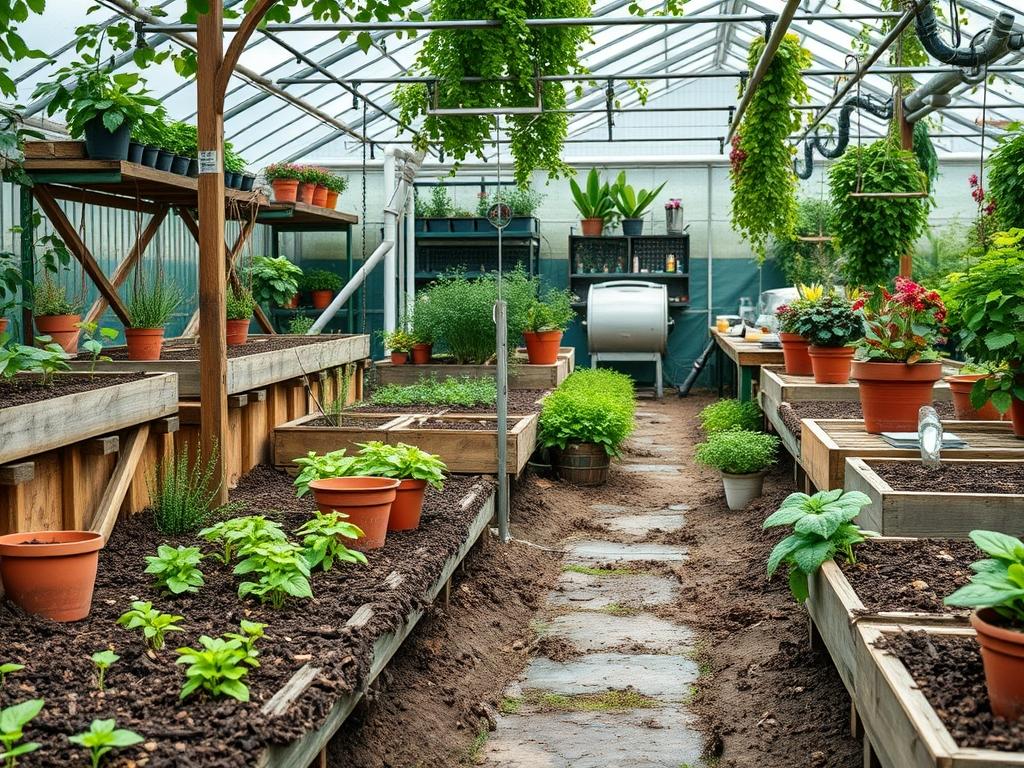
Integrating functional botanical solutions into a high performance landscape requires a sophisticated understanding of both aesthetic balance and biological synergy. For many property owners, the arrival of warmer months brings the persistent challenge of whiteflies, these tiny, sap-sucking insects can quickly devastate a curated garden, leaving behind sticky honeydew and promoting the growth of black sooty mold. While chemical interventions are available, the professional landscape architect often looks toward integrated pest management strategies to maintain the ecological health of the site. Using Nasturtium (specifically the species Tropaeolum majus) as Natural Whitefly Deterrents provides a dual-purpose solution that enhances curb appeal while protecting more sensitive ornamental species. These vibrant annuals act as a sacrificial trap crop, drawing pests away from high value plants like roses, hibiscus, and citrus trees, thereby preserving the structural integrity of the outdoor living space.
Optimizing a landscape for both beauty and pest resilience involves a careful analysis of the site topography and microclimates. In a professional setting, we view the garden not just as a collection of plants but as a living system where every element has a specific role. Incorporating Natural Whitefly Deterrents requires a strategic layout that disrupts the visual and chemical signals used by pests to locate their preferred hosts. By interspersing Nasturtiums throughout the perimeter of a vegetable garden or at the base of flowering perennials, we create a biological barrier. This approach aligns with the principles of biophilic design, moving away from sterile, monoculture environments toward diverse, self-regulating ecosystems that require fewer synthetic inputs over the long term.
Landscape Design Principles
Successful garden planning relies on the core principles of symmetry, focal points, and elevation layers. When deploying Nasturtiums as a functional element, these principles ensure the garden remains visually cohesive. Symmetry can be achieved by planting trailing varieties of Nasturtium along the edges of twin stone walkways, creating a mirror effect that frames the entry to an outdoor room. These plants offer a soft, organic contrast to the hard lines of a retaining wall or paver patio. By using their bold, circular leaves and bright flowers as a repeating element, the designer establishes a sense of rhythm that guides the eye through the space.
Focal points are equally important in a pest deterrent strategy. Designers often place a large architectural plant, such as a Japanese Maple or a standard rose, at the center of a bed. Surrounding these prized specimens with a dense carpet of Nasturtiums serves a functional purpose, the pests are attracted to the volatile organic compounds emitted by the Nasturtiums and cluster there instead of attacking the focal plant. Furthermore, varying the elevation layers by using climbing varieties on a wrought iron trellis adds vertical interest. This layering not only maximizes the footprint of the garden but also ensures that Natural Whitefly Deterrents are present at different heights, providing a comprehensive protective screen.
Irrigation planning and hydrological zones are critical when integrating these plants. Nasturtiums prefer well-drained soil and do not thrive in overly saturated conditions. In a professional landscape, plants should be grouped into zones based on their water requirements, a practice known as hydro-zoning. By placing Nasturtiums in the same zone as other moderate-water plants, you can ensure efficient water usage through a systematic drip irrigation system. Properly planned walkways also facilitate maintenance, allowing the homeowner to inspect the trap crops and manage any pest clusters without compacting the soil in the primary planting beds.
Plant and Material Selection
| Plant Type | Sun Exposure | Soil Needs | Water Demand | Growth Speed | Maintenance Level |
| :— | :— | :— | :— | :— | :— |
| Nasturtium | Full Sun / Partial Shade | Well-drained, average | Moderate | Fast | Low |
| Marigold | Full Sun | Fertile, well-drained | Moderate | Medium | Low |
| French Marigold | Full Sun | Loamy, well-drained | Moderate | Medium | Low |
| Rosemary | Full Sun | Sandy, well-drained | Low | Slow to Medium | Low |
| Lavender | Full Sun | Alkaline, well-drained | Low | Medium | Medium |
| Sweet Alyssum | Full Sun / Partial | Average, well-drained | Moderate | Fast | Low |
Implementation Strategy
The process of implementing a professional garden layout begins with thorough site preparation. First, assess the current soil condition and grading. Use a laser level to identify low spots where water might pool, as poor drainage is the primary cause of root rot in many ornamental species. If necessary, regrade the area to ensure a consistent slope away from any structures or hardscaped surfaces. Once the grading is complete, define the bed edges using a half-moon edger or a power edger to create a clean, crisp transition between the turf and the planting zone.
Next, focus on soil health. While Nasturtiums actually produce more flowers in poorer soils, the surrounding high value plants may require a nutrient-rich substrate. Till the soil to a depth of 8 inches using a rototiller, incorporating a 2-inch layer of organic compost only in the areas designated for the primary ornamentals. For the Natural Whitefly Deterrents, leave the soil relatively lean to prevent excessive leaf growth at the expense of pest-deterring blooms. When planting, space the Nasturtium seeds or starts approximately 10 to 12 inches apart. This spacing allows for adequate airflow, which is vital in preventing fungal diseases that can occur in dense foliage.
After the plants are in the ground, apply a 3-inch layer of hardwood mulch or pine bark to suppress weeds and retain moisture. Be careful to keep the mulch a few inches away from the stems of the plants to prevent collar rot. If the design includes hardscaping, such as a limestone retaining wall or gravel paths, ensure that the drainage holes are not blocked. The final step is the installation of the irrigation system. Use inline drip tubing or soaker hoses buried beneath the mulch to deliver water directly to the root zones, avoiding the foliage where moisture can attract additional pests or pathogens.
Common Landscaping Failures
One of the most frequent errors in landscape management is the failure to address drainage mistakes before planting. When water stagnates, it creates an anaerobic environment that drowns roots, particularly for plants like Nasturtiums that require oxygenated soil. Another common issue is root overcrowding, often caused by planting too many specimens in a small area to achieve an immediate “full” look. This leads to competition for nutrients and water, stressing the plants and making them more susceptible to whitefly infestations rather than acting as effective Natural Whitefly Deterrents.
Improper spacing and soil compaction are also significant hurdles. Compaction, often a result of heavy foot traffic or construction machinery, prevents water infiltration and root expansion. Using a broadfork to aerate the soil before planting can mitigate this. Furthermore, irrigation inefficiencies, such as using overhead sprinlers during the heat of the day, can lead to high evaporation rates and leaf scorch. Professionals recommend scheduled watering in the early morning hours to allow foliage to dry quickly, which helps maintain the health of the plants used for integrated pest management.
Seasonal Maintenance
Seasonal management is the key to a thriving, long-term landscape. In the Spring, focus on soil preparation and the direct sowing of Nasturtium seeds once the danger of frost has passed. This is also the time to inspect the drip irrigation emitters and replace any that are clogged with mineral deposits. As the season progresses into Summer, regular monitoring for whitefly activity is essential. If the Nasturtiums become heavily infested, use garden shears to prune back the most affected areas and dispose of the clippings away from the compost pile to prevent reinfection.
When Autumn arrives, many of the annual pest deterrents will begin to fade. Collect the large, chickpea-sized seeds from the Nasturtiums to store in a cool, dry place for the following year. This is also the ideal time to add a fresh layer of mulch to protect the roots of perennial plants from the upcoming cold. During the Winter, the landscape remains largely dormant, providing an opportunity to clean and sharpen tools like loppers and trowels. You should also review your garden notes to determine if the placement of your Natural Whitefly Deterrents was effective or if the layout should be adjusted in the coming spring for better pest control.
Professional Landscaping FAQ
How do nasturtiums actually deter whiteflies?
They function as a trap crop, meaning their scent and nectar are more attractive to whiteflies than other plants. The pests congregate on the Nasturtiums, which can then be treated or pruned to remove the insects from the garden.
Can I use nasturtiums in containers for pest control?
Yes, placing pots of Nasturtiums near vulnerable plants like tomatoes or eggplants works effectively. This allows for mobile pest management, as you can move the deterrents to different areas of the patio or deck as needed throughout the season.
Do these natural deterrents require chemical fertilizers?
No, Nasturtiums thrive in poor soil. Excessive nitrogen from fertilizers will result in lush green foliage but very few flowers. For the best results as Natural Whitefly Deterrents, avoid high-nitrogen additives in the areas where they are planted.
What is the best way to clear an infestation?
If whiteflies heavily coat your Nasturtiums, use a strong stream of water from a garden hose to physically knock them off. For persistent issues, an application of neem oil or insecticidal soap at dusk can help manage the population safely.
Will nasturtiums survive a hard freeze?
Typically, no. They are tender annuals that will die back once temperatures drop below freezing. However, they are prolific self-seeders, so new plants often emerge in the same location the following spring without the need for manual replanting by the homeowner.