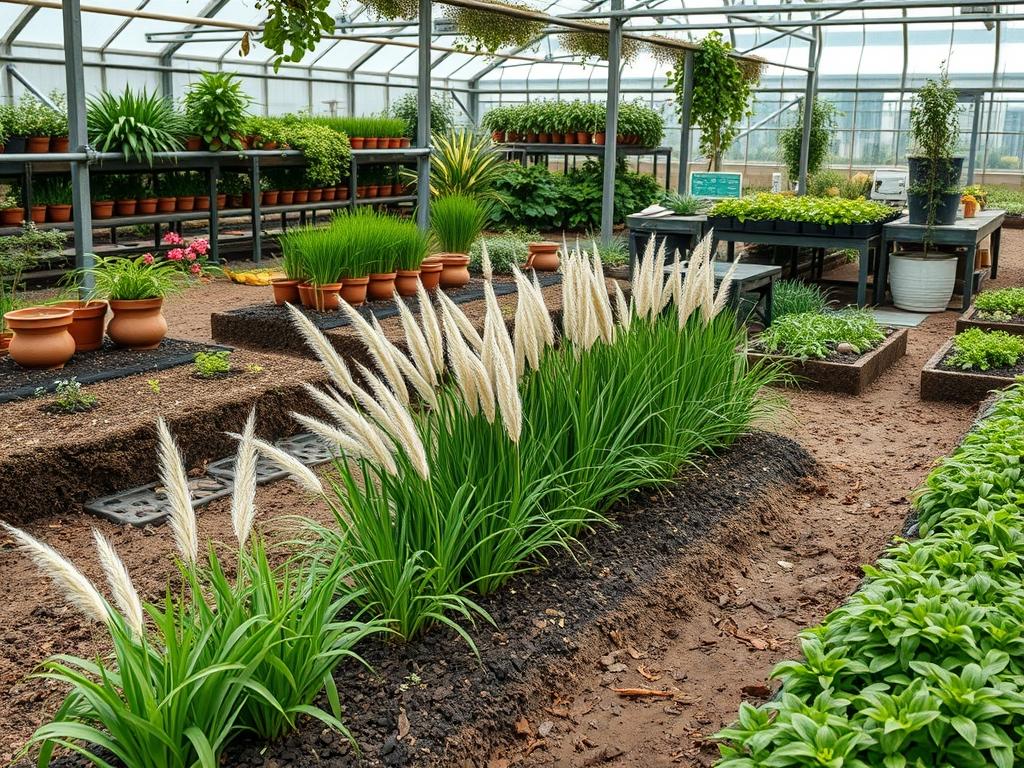
Modern landscaping is undergoing a fundamental shift away from high-maintenance monocultures toward resilient, ecologically functional environments. The primary challenge for many property owners lies in balancing the aesthetic demands of curb appeal with the practical realities of local climate conditions. Traditional turfgrass often requires excessive water and chemical inputs, leading to soil degradation and high utility costs. Transitioning to native grasses addresses these concerns by providing deep root systems that stabilize soil, improve drainage, and offer year-round visual interest. Successful integration begins with accurate native grass identification, as understanding the specific growth habits and physiological needs of these species is critical for outdoor functionality. By selecting plants that have evolved within a specific ecoregion, a landscape architect can create a self-sustaining system that thrives without the constant intervention required by non-native species.
Effective native grass identification involves examining the morphological characteristics of the plant, such as the shape of the seed head, the width of the leaf blade, and the presence of ligules or auricles. These details help professionals distinguish between warm-season and cool-season varieties, which determines their planting schedule and maintenance requirements. A well-planned garden using these species does more than just fill space; it serves as a living filtration system for stormwater and a sanctuary for local pollinators. The ultimate goal is to design an outdoor living area that feels intentional and structured, rather than wild or neglected. Through careful planning and a deep understanding of plant biology, a landscape can achieve a sophisticated balance between rugged durability and refined elegance.
Landscape Design Principles
When integrating native grasses into a professional landscape design, the principle of symmetry and focal points must be addressed first. Native grasses provide a unique vertical element that can be used to direct the eye toward architectural features or natural views. For instance, tall, upright species like Indiangrass can serve as a dramatic backdrop or a seasonal privacy screen, while shorter species provide groundcover that softens the edges of walkways. Using these plants in repeating patterns creates a sense of rhythm and visual balance that prevents the design from appearing chaotic. A designer must consider the mature height and spread of each species to ensure that they do not obscure significant sightlines or overwhelm nearby perennials.
Elevation layers are another critical factor in effective planning. We categorize grasses into three main layers: the foreground, the mid-story, and the background. Low-growing tufted grasses such as Blue Grama are perfect for the front of a border where they can be appreciated for their delicate textures. The mid-story should consist of medium-height varieties that offer color transitions throughout the year. Finally, the background layer uses the tallest species to provide structure and wind protection. This layering approach ensures that the garden remains visually dense and interesting from every angle. Irrigation planning must also account for these layers; while native grasses are drought-tolerant, they require consistent moisture during their establishment phase to develop the deep root systems necessary for long-term survival.
Plant and Material Selection
Selecting the right species requires a thorough evaluation of site-specific data including sunlight duration, soil pH, and drainage capacity. The following table provides a technical breakdown of common native grasses used in high-end landscape architecture to assist in native grass identification and placement.
| Plant Type | Sun Exposure | Soil Needs | Water Demand | Growth Speed | Maintenance Level |
| :— | :— | :— | :— | :— | :— |
| Big Bluestem | Full Sun | Loamy, Well-drained | Moderate to Low | Moderate | Low |
| Little Bluestem | Full Sun | Sandy, Rocky | Low | Moderate | Very Low |
| Switchgrass | Full, Part Sun | Diverse, Moist | Moderate | Fast | Low |
| Sideoats Grama | Full Sun | Calcareous, Well-drained | Low | Moderate | Low |
| Blue Grama | Full Sun | Sandy, Dry | Very Low | Slow to Moderate | Minimal |
| Indiangrass | Full Sun | Deep, Fertile | Moderate | Fast | Low |
| Prairie Dropseed | Full Sun | Dry, Rocky | Very Low | Slow | Minimal |
| Purple Lovegrass | Full Sun | Sandy, Poor Soil | Low | Moderate | Low |
In addition to plant material, hardscaping elements must be selected to complement the organic textures of these grasses. Flagstone, crushed granite, and steel edging are excellent choices for creating clean lines that contrast with the soft, flowing movement of the foliage. The use of a high-quality landscape fabric is generally discouraged in native grass beds because it can interfere with the natural reseeding process and trap heat in the soil, which may stress the roots of certain species.
Implementation Strategy
The implementation of a native grass landscape begins with a clean slate. The first step involves removing all existing invasive vegetation and weeds using a sod cutter or a specialized organic herbicide treatment. Once the site is cleared, the grading must be checked to ensure that water moves away from the home foundation and toward designated rain gardens or drainage swales. If the soil is heavily compacted, a tiller may be used to loosen the top 6 inches, though care should be taken not to destroy the soil structure. Incorporating a small amount of organic compost can help, but avoid over-fertilizing, as native grasses often flop over if the soil is too rich.
After the site is prepared, laying out the plants based on the design plan is essential. Use marking paint to denote the placement of each grass clump, ensuring that you leave enough space for the mature width of the species. For example, Switchgrass can reach a width of 3 feet, so tight spacing will lead to overcrowding. Once the plants are in the ground, apply 3 inches of mulch, such as shredded hardwood or pine bark, to retain moisture and suppress weed germination. Finally, install a drip irrigation system with emitters placed at the base of each plant. This ensures that water reaches the roots directly rather than evaporating off the foliage, which is particularly important during the first two growing seasons.
Common Landscaping Failures
One of the most frequent mistakes in native grass installations is improper drainage. While many species are hardy, they cannot survive in standing water or anaerobic soil conditions. This often results from poor grading or the failure to install a French drain in low-lying areas. Another common issue is root overcrowding. Designing a landscape based on the size of the plants at the time of purchase rather than their mature dimensions leads to a tangled mess that is difficult to maintain and prone to fungal diseases. Property owners must resist the urge to plant too densely for immediate impact.
Soil compaction is another significant hurdle. During construction or hardscaping installation, heavy machinery can crush the pore spaces in the soil, making it impossible for roots to penetrate or for water to infiltrate. If this is not addressed prior to planting, the grasses will appear stunted and may eventually die. Furthermore, irrigation inefficiencies often plague these projects. Over-watering is just as damaging as under-watering; it encourages shallow root growth and makes the plants dependent on supplemental moisture, defeating the purpose of using native species. Native grass identification helps here, as certain species like Little Bluestem will actually lose their structural integrity and fall over if they receive too much water or nitrogen.
Seasonal Maintenance
Maintenance requirements for native grasses are minimal compared to traditional lawns, but they are not non-existent. In the spring, the primary task is the annual cut-back. Using a pair of hedge shears or a string trimmer, cut the dead foliage from the previous year to about 4 to 6 inches above the ground. This should be done before new green growth begins to emerge to avoid damaging the plant. This is also the ideal time to check the mulch depth and replenish any areas where the soil has become exposed.
During the summer months, maintenance shifts to weed monitoring and occasional deep watering during extreme heat waves. Because native grasses are warm-season growers, they will reach their peak beauty in late summer. In the autumn, the foliage typically turns vibrant shades of orange, red, or gold. It is important to leave the seed heads intact during this time, as they provide essential food for birds and add architectural interest to the winter landscape. Winter maintenance involves very little work; the dried stalks should be left standing to provide cover for beneficial insects and to protect the crown of the plant from freeze-thaw cycles. By following this seasonal rhythm, the landscape remains healthy and ecologically productive throughout the year.
Professional Landscaping FAQ
How do I tell different native grasses apart?
Native grass identification relies on observing the seed head shape and leaf texture. Look for specific traits like the turkey-foot shape of Big Bluestem or the delicate, hair-like foliage of Prairie Dropseed. Note the growth habit, whether it is clumping or spreading.
Do native grasses require regular fertilization?
Most native species thrive in low-fertility soils and do not require supplemental fertilizer. In fact, adding too much nitrogen can cause them to grow too quickly and become weak or floppy. A light application of compost during planting is usually sufficient for years.
Can I grow native grasses in containers?
Yes, several species like Little Bluestem and Blue Grama perform excellently in large pots. Ensure the containers have adequate drainage holes and use a well-draining potting mix. They provide excellent texture and height for patios and entryways throughout the growing season.
How long does it take for native grasses to mature?
Most native grasses follow the sleep, creep, and leap rule. In the first year, they establish roots; in the second, they show modest growth; by the third year, they reach their full mature height and aesthetic potential within the landscape design.
Are native grasses invasive in a garden setting?
True native grasses are not considered invasive, though some species are aggressive spreaders via rhizomes or heavy seeding. Identifying whether a grass is a clumper or a spreader before planting is vital for maintaining the intended structure and balance of your garden.