
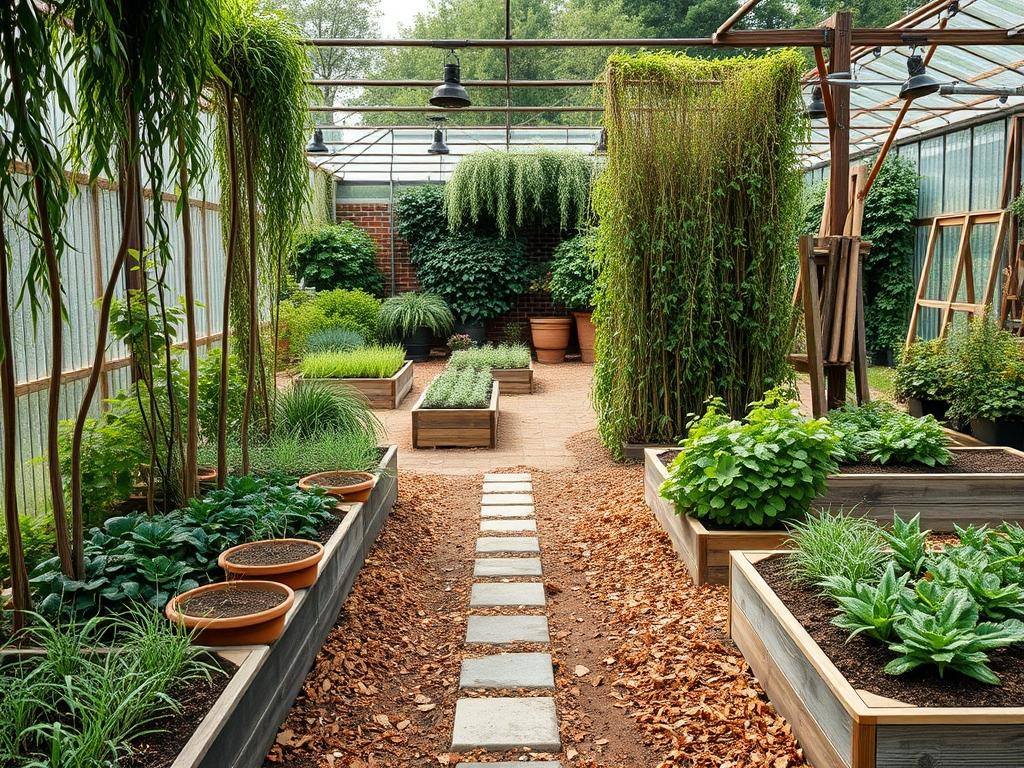
The decision to integrate traditional willow hedges into a modern landscape architecture project addresses several complex environmental and aesthetic challenges simultaneously. In regions with high water tables or heavy clay soils, conventional fencing often fails due to rot or frost heave, whereas living willow systems thrive in these exact conditions. These structures, frequently referred to as “fedges” (a portmanteau of fence and hedge), provide an immediate sense of established character that a standard privacy screen cannot replicate. From a curb appeal perspective, a woven willow structure offers a textural counterpoint to the rigid lines of masonry and asphalt. It serves not just as a boundary, but as a dynamic, seasonal installation that changes its visual density and color palette throughout the year. Beyond aesthetics, the functional goals of these hedges include significant carbon sequestration, windbreak capabilities, and the management of surface runoff through high transpiration rates.
Landscape Design Principles
Successful installation of traditional willow hedges requires a deep understanding of visual weight and garden geometry. Symmetry plays a vital role when using willow as a formal entryway or a flanking element for a grand driveway. By aligning the diagonal weave of the willow rods with the surrounding architectural lines, a designer creates a sense of rhythmic continuity. Focal points within the garden, such as a water feature or an outdoor seating area, can be framed using curved willow walls to direct the eye and create a sense of mystery and enclosure.
Elevation layers are critical in professional garden planning. Willow is often used as the “background” layer because of its ability to reach heights of 2 to 3 meters within a few growing seasons. Placing lower-growing perennials or shrubs in front of the willow fedge creates a tiered effect that adds depth to the perimeter. Irrigation planning must be integrated into the initial design phase; although willow is drought-tolerant once established, its first two years require consistent moisture. Designers often specify a drip irrigation line buried beneath the mulch to ensure deep root penetration. Walkways should be positioned at least 1.5 meters away from the base of the hedge to account for future girth and to allow for maintenance access without encroaching on the pedestrian path. This spatial awareness ensures a visual balance between the wild, organic nature of the willow and the structured elements of the hardscape.
Plant and Material Selection
Selecting the correct species is the foundation of a durable living structure. The following table outlines the most common choices for professional landscape applications.
| Plant Type | Sun Exposure | Soil Needs | Water Demand | Growth Speed | Maintenance Level |
| :— | :— | :— | :— | :— | :— |
| Salix viminalis | Full Sun | Moist Clay or Loam | High | Fast (2m per year) | Moderate |
| Salix purpurea ‘Abbeys’ | Full Sun to Partial | Average to Wet | Medium | Moderate | Low |
| Salix alba ‘Britzensis’ | Full Sun | Wet/Marshy | High | Fast | High (for winter color) |
| Salix triandra | Full Sun | Heavy Clay/Silt | High | Moderate | Moderate |
| Salix daphnoides | Full Sun | Sandy to Loamy | Medium | Fast | Moderate |
Implementation Strategy
The implementation of traditional willow hedges begins with precise site preparation. Grading must be checked to ensure that while willow likes moisture, the area does not suffer from stagnant, anaerobic water conditions for extended periods. Once the line of the hedge is determined using marking paint or a string line, a trench should be excavated to a depth of approximately 30 centimeters. If the soil is excessively compacted, a mechanical auger or a heavy-duty spade should be used to loosen the earth, allowing the willow rods to penetrate easily.
The layout often involves a double-row staggered pattern, with rods spaced roughly 15 to 20 centimeters apart. The rods, typically 2 to 3 meters in length, are inserted into the ground at a 45-degree angle. By leaning the rods in opposite directions and weaving them over and under each other, a diamond lattice is formed. Each intersection point should be secured with biodegradable twine or flexi-ties to maintain the structure until the living wood grafts itself together through a process called inosculation.
Edging is an often-overlooked step in this process. A sharp, clean edge between the willow base and the surrounding turf prevents grass from competing with the young willow for nutrients. After planting, a heavy layer of wood chip mulch, approximately 10 centimeters deep, should be applied across the entire planting strip. This mulch serves three purposes: moisture retention, weed suppression, and soil temperature regulation. For high-end residential projects, integrating hardscaping elements like natural stone cobbles or steel edging around the base of the fedge provides a polished, professional finish.
Common Landscaping Failures
One of the most frequent failures in willow hedge management is improper drainage at the time of planting. While willows are famously thirsty, newly planted cuttings can rot if they are submerged in standing water before they have developed a root system. Conversely, inadequate irrigation during the first summer is the leading cause of rod die-back. If the soil pulls away from the rods due to desiccation, the air pockets will kill the emerging hair roots.
Root overcrowding and improper spacing also lead to long-term structural issues. If rods are placed too close together, they compete for limited light and nutrients, leading to “leggy” growth where the bottom of the hedge becomes sparse and thin. Soil compaction from heavy construction machinery can also stifle growth. If the ground is as hard as concrete, the willow will struggle to establish the deep anchor roots necessary to withstand high winds. Finally, a common mistake is planting willow too close to underground utilities or foundations. As a rule, willow should be kept at least 3 meters away from drainage pipes and 5 meters from building foundations to prevent root intrusion into pipes or structural damage.
Seasonal Maintenance
Seasonal management is the key to transforming a simple planting into a sophisticated architectural feature. In the Spring, the focus is on monitoring new growth and ensuring the irrigation system is fully operational as temperatures rise. This is the time to replace any rods that failed to take leaf over the winter.
During the Summer, maintenance shifts to aggressive weed control and moisture management. If the hedge is meant to be formal, light trimming of the lateral “feathery” growth can be done to maintain the visibility of the woven diamond pattern. However, the primary structural pruning should be avoided during the peak growing season to prevent stressing the plant.
In the Autumn, as the leaves begin to yellow and drop, the architectural skeleton of the hedge becomes visible again. This is an excellent time to inspect the twine ties and adjust any that are becoming too tight and girdling the wood.
Winter is the most critical season for willow maintenance. Because willow is deciduous, the dormant period (typically November through early March) is when structural pruning and “weaving-in” occurs. New vertical shoots that grew during the summer should be woven back into the existing lattice to increase the density and strength of the hedge. If the hedge has become too tall, it can be “pollarded” or topped with bypass loppers to encourage thicker growth lower down. This winter work ensures that when spring returns, the hedge is structurally sound and ready for a new flush of vibrant green growth.
Professional Landscaping FAQ
How long does it take for a willow hedge to become private?
A living willow hedge provides a visual screen immediately upon weaving. However, it takes approximately two growing seasons for the lateral foliage to fill in densely enough to provide complete “leaf-on” privacy during the summer months.
Can I plant willow in a small urban backyard?
Yes, but you must use a slower-growing variety like Salix purpurea and commit to annual winter pruning. Keeping the roots restricted with a root barrier can also prevent the willow from encroaching on nearby garden beds or neighboring properties.
What tools are essential for weaving traditional willow hedges?
A landscape professional should have a sharp spade, bypass pruners, heavy-duty loppers, and rubber mallets for set-ins. Additionally, use biodegradable jute twine for initial ties and a soil moisture meter to monitor hydration during the first year.
Does a living willow hedge attract pests?
Willow can attract aphids or willow beetles, but these rarely cause structural damage. In a balanced landscape design, these insects provide a vital food source for birds and beneficial predatory insects, enhancing the overall biodiversity of your outdoor environment.
How do I prevent the bottom of the hedge from becoming bare?
Ensure the hedge is not shaded by larger canopy trees. During winter maintenance, use “long-rod” weaving techniques to pull top growth down toward the base. Regular mulching also encourages healthy growth from the very bottom of the primary rods.