
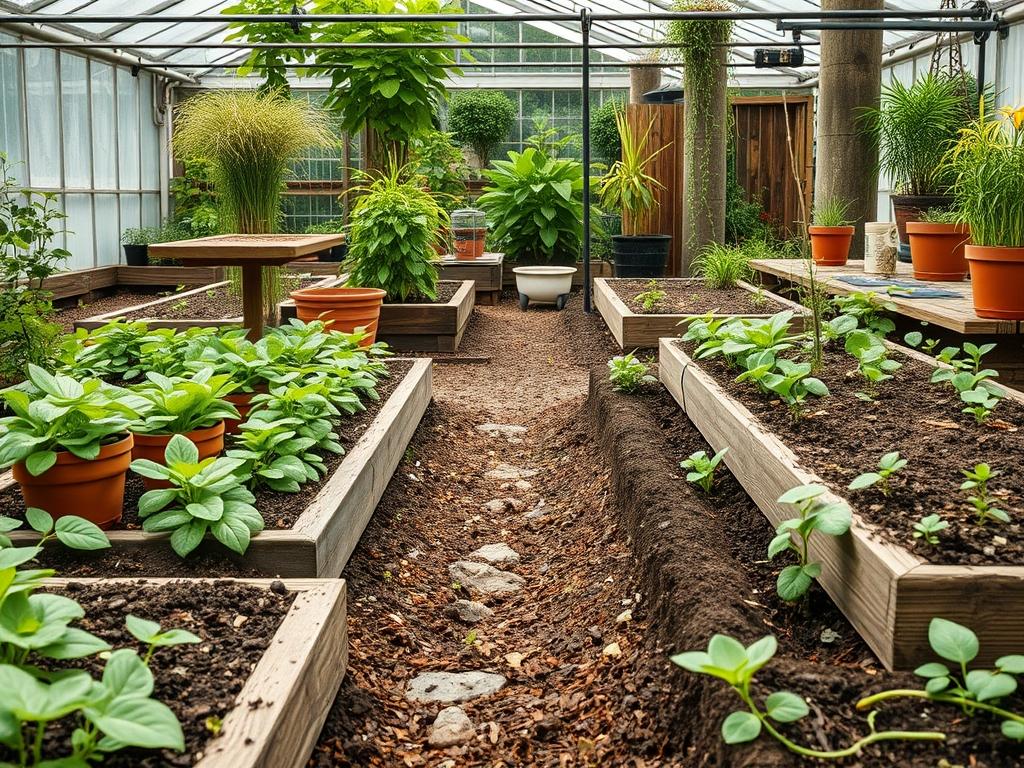
Maintaining a pristine outdoor environment requires a delicate balance between aesthetic ambition and biological management. For landscape architects, the presence of slugs and snails represents more than a mere nuisance; it is a direct threat to the structural integrity of high-value plantings and the overall curb appeal of a professional project. These gastropods thrive in the microclimates created by lush, irrigated garden beds and dense ground covers. When their populations go unchecked, the resulting damage typically includes ragged foliage and compromised seedling health, which can quickly degrade the visual impact of a carefully curated landscape. To protect these investments without resorting to harsh chemical treatments that might disrupt the local ecosystem or endanger pets and wildlife, professionals often turn to natural deterrents. Among the most effective tools in this category is Garden Sand, a versatile mineral material that serves both a functional and a structural role in modern outdoor design.
By integrating sand-based strategies into the initial site planning, consultants can create a hostile environment for soft-bodied pests while simultaneously improving soil drainage and texture. This approach aligns with the shift toward sustainable landscaping, where the goal is to build resilience into the site rather than relying on ongoing intervention. Utilizing Coarse Grit or Sharp Sand creates a physical barrier that disrupts the movement of slugs. Their sensitive bodies require a smooth, moist surface to travel, and the abrasive, desiccating nature of dry sand acts as a structural deterrent. When effectively incorporated into the grading and layout of a property, these sand-based solutions help ensure that the outdoor living space remains both beautiful and functional throughout the growing season.
Landscape Design Principles
Successful landscape architecture relies on the principles of symmetry, focal points, and elevation layers to guide the eye and define the space. When addressing pest management, these principles must be harmonized with horticultural needs. A well-designed garden bed often utilizes Elevation Layers to create visual interest. By placing slug-susceptible plants like Hostas or Ligularia on slightly raised mounds topped with a layer of Horticultural Sand, the designer creates a physical height advantage that also facilitates better moisture runoff. This prevents the stagnant, damp conditions that slugs prefer.
Visual balance is achieved by contrasting different textures. The fine, granular texture of sand provides a sharp counterpoint to large, broad-leafed perennials. Incorporating Sand-Based Walkways or dry-stone paths with sand-filled joints serves a dual purpose. It defines the flow of human traffic through the environment while acting as a large-scale barrier that pests are reluctant to cross. Furthermore, the integration of Irrigation Planning into the design ensures that water is delivered precisely to the roots through drip systems, keeping the surface layers of sand dry. This strategic dryness is a fundamental component of the landscape’s defensive architecture, maintaining the intended aesthetic without the clutter of traditional traps or baits.
Plant and Material Selection
Selecting the right materials and flora is critical for a low-maintenance, high-impact garden. The following table outlines plants that benefit from the drainage and protection provided by sand-enhanced garden beds.
| Plant Type | Sun Exposure | Soil Needs | Water Demand | Growth Speed | Maintenance Level |
| :— | :— | :— | :— | :— | :— |
| Hosta | Partial Shade | Humus-rich | Medium | Moderate | Low |
| Delphinium | Full Sun | Well-drained | High | Fast | High |
| Marigold | Full Sun | Loamy/Sand | Low | Fast | Medium |
| Dahlia | Full Sun | Sandy Loam | Medium | Moderate | High |
| Fern | Full Shade | Moist/Fibrous | High | Moderate | Low |
| Salvia | Full Sun | Gritty/Dry | Low | Fast | Low |
The choice of sand is equally important. Sharp Sand, also known as builder’s sand or grit sand, has larger, more angular particles than soft play sand. These jagged edges provide the necessary abrasion to deter slugs. When selecting materials, ensure they are free of salt or contaminants that could alter the soil pH or harm sensitive root systems.
Implementation Strategy
Implementing a comprehensive slug-deterrent strategy requires a systematic approach to garden bed preparation and hardscaping. The process begins with Grading. A professional landscape must always be graded to ensure water flows away from the foundation of the home and toward appropriate drainage areas. Within the beds themselves, a slight 2 percent slope prevents the pooling of water at the base of plants.
The first of ten effective natural deterrents using sand is the Sharp Grit Perimeter. This involves creating a 3-inch wide band of Coarse Sand directly around the base of vulnerable plants. Second, designers can use Sand-Mulch Blending, where sand is mixed into the top inch of organic mulch to increase its abrasive qualities. Third is Raised Bed Capping, where the top layer of a planter is finished with decorative sand to prevent slugs from climbing the walls. Fourth, Walkway Borders involving a wide strip of sand between the lawn and the flower bed act as a no-man’s-land for pests.
Fifth, consider Under-Foliage Top-Dressing, which places a layer of sand specifically beneath the overhanging leaves where slugs often hide during the day. Sixth is Dry Moat Systems, where a small trench around the garden perimeter is filled with sand to intercept incoming pests. Seventh, Potting Bench Sand Beds provide a clean area for preparing seedlings, ensuring that containers are not infested from the bottom up. Eighth, Sand-Filled Paver Joints in patios create a dry, gritty surface that discourages movement across the outdoor living area. Ninth, Elevation Layering uses sand-heavy soil for the top level of a terrace, making the most visible plants the hardest to reach. Finally, the tenth method is Cactus and Succulent Zoning, where entire sections of the landscape are designed as “dry zones” using sand as the primary substrate, naturally excluding slugs while providing a modern, xeriscaped aesthetic.
During implementation, use Steel Edging to keep the sand from migrating into the lawn or being washed away by heavy rains. Maintain a Mulch Depth of no more than 3 inches to avoid creating deep, moist pockets where slugs might lay eggs. Proper Hardscaping with non-porous stones combined with sand infill creates a permanent, structural barrier that requires minimal upkeep.
Common Landscaping Failures
One of the most frequent mistakes in garden planning is poor Drainage. When water accumulates in the root zone, it not only invites root rot but also creates a paradise for slugs. Soil compaction is another significant failure. High-traffic areas where the soil has become dense and airless will trap moisture on the surface, rendering sand barriers less effective because they cannot stay dry.
Improper spacing of plants, or Root Overcrowding, creates a dense canopy that traps humidity. Landscape consultants must follow recommended spacing guidelines to allow for adequate airflow. Another failure is the misuse of material. Using fine play sand instead of Horticultural Sand can actually lead to surface crusting, which traps moisture underneath rather than allowing it to evaporate. Finally, Irrigation Inefficiencies, such as over-head watering late in the evening, leave the foliage and the sand barriers damp overnight. This timing coincides perfectly with the peak activity hours for slugs, essentially neutralizing the deterrent.
Seasonal Maintenance
Landscape management is a year-round commitment. In the Spring, the focus is on refreshing the sand barriers. As the ground thaws and spring rains occur, sand can become buried or washed away. This is the time to re-apply Sharp Sand to the base of emerging perennials. Summer maintenance involves careful irrigation monitoring. Ensure that drip lines are functioning correctly so that the top layer of sand remains dry despite the heat.
During Autumn, it is vital to clear away fallen leaves and decaying organic matter. These materials provide slugs with both food and cover. If leaves are left to rot on top of sand barriers, they create a bridge for pests to cross. In Winter, the landscape architect should focus on soil structure. If the soil has become compacted over the year, light tilling of the top layer, followed by the addition of more Coarse Grit, can improve the site’s resilience for the following year. This proactive approach ensures that the decorative and functional elements of the landscape remain intact through every season.
Professional Landscaping FAQ
How thick should the sand barrier be to stop slugs?
A width of at least 3 inches and a depth of 1 inch is recommended. This ensures the barrier remains effective even if some particles are displaced by wind or light irrigation.
Does rainfall ruin the effectiveness of a sand deterrent?
While heavy rain can displace sand, the primary issue is moisture. Once the rain stops and the Sharp Sand dries, its abrasive qualities return. Periodic refreshing after storms is necessary to maintain the perimeter.
Can I use beach sand for my garden beds?
Beach sand is generally discouraged due to its high salt content, which can be toxic to most garden plants. Always specify Horticultural Sand or washed Sharp Sand for landscaping projects.
Is sand better than chemical slug pellets?
Sand is a mechanical deterrent rather than a poison. It is safer for the environment, pets, and children. While pellets may offer a quick kill, sand provides a long-term structural solution to pest management.
Will sand change the pH of my garden soil?
Most Silica-Based Sands are pH neutral and will not affect soil chemistry. However, limestone-based sands can raise the pH over time. Always check the material source before large-scale application in acidic-loving plant beds.