
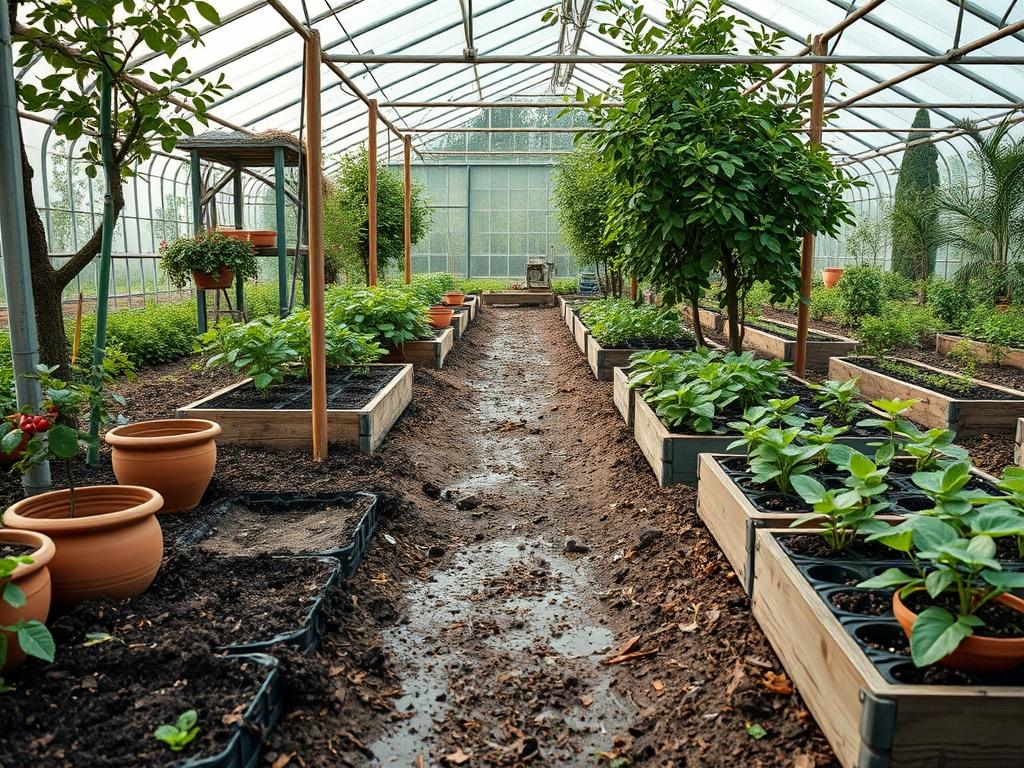
Planning a traditional orchard requires more than a casual interest in fruit. It is an exercise in long term landscape architecture that demands a sophisticated understanding of site ecology, spatial geometry, and horticultural longevity. While a flower bed may be redesigned every season, an orchard is a permanent structural element that defines the perimeter and character of a property for fifty years or more. A well-designed orchard layout serves as a functional food source while simultaneously acting as a visual anchor and a windbreak. It improves the curb appeal of larger estates and provides a sense of established history that few other landscape features can replicate. Designers must account for the mature canopy spread, the movement of the sun across the seasons, and the specific drainage patterns of the terrain to ensure the project does not fail within its first decade. Success begins with a commitment to the site’s topography and a realization that the trees planted today will eventually weigh several tons and cast shadows spanning 30 feet.
Landscape Design Principles
The architecture of a traditional orchard relies heavily on symmetry and the repetition of forms to create a sense of order and tranquility. In formal landscape design, an orchard is often treated as an outdoor room. The perimeter may be defined by boxwood hedges or split rail fencing to create a clear boundary between the wilder parts of the property and the cultivated groves. To achieve visual balance, the use of axial vistas is essential. This involves aligning the central rows of trees with a primary focal point, such as a garden pavilion, a large stone fountain, or the main rear entrance of the residence. When a visitor looks down the row, the perspective should naturally narrow toward this focal element, creating a powerful sense of depth and intentionality.
Elevation layers are another critical factor in a professional layout. A monoculture of same sized trees feels flat and uninspired. By incorporating diverse heights, such as standard rootstock apples in the rear and dwarf cherry trees or currant bushes in the foreground, you create a tiered effect that is more aesthetically pleasing. This layering also mimics a natural forest edge, which encourages biodiversity. Furthermore, irrigation planning must be integrated into the design phase rather than added as an afterthought. Subsurface drip irrigation lines should be mapped out to follow the tree rows, ensuring that water reaches the root zones without encouraging fungal growth on the foliage. Walkways within the orchard should be wide enough for a small tractor or garden cart, typically measuring at least 8 feet in width, and surfaced with crushed granite or well manicured turf to provide a stable walking path during wet harvest months.
Plant and Material Selection
Selecting the right cultivars and hardscape materials is the foundation of orchard longevity. Designers must choose species that are compatible with the local hardiness zone while also considering the cross pollination requirements of different varieties.
| Plant Type | Sun Exposure | Soil Needs | Water Demand | Growth Speed | Maintenance Level |
| :— | :— | :— | :— | :— | :— |
| Braeburn Apple | Full Sun | Loamy, Well-drained | Moderate | Medium | High (Pruning) |
| Bartlett Pear | Full Sun | Deep, Silty | High | Medium | Moderate |
| Bing Cherry | Full Sun | Sandy Loam | Moderate | Fast | High (Pest Control) |
| Italian Plum | Full Sun/Partial | Clay Loam | Low to Moderate | Medium | Low |
| Fuyu Persimmon | Full Sun | Adaptable | Low | Slow | Very Low |
| Heritage Raspberry | Full Sun/Partial | Rich Organic | High | Very Fast | Moderate |
| Cedar Mulch | N/A | Acidic/Neutral | N/A | N/A | Low (Annual Top-up) |
| Pea Gravel | N/A | N/A | N/A | N/A | Very Low |
Implementation Strategy
The transition from a blueprint to a physical orchard begins with rigorous site preparation. The first step is grading. The land must be sloped slightly, roughly 2 percent, to ensure that water does not pool around the base of the trees. If the site is naturally flat or prone to saturation, the installation of French drains or perforated PVC piping buried 24 inches deep may be necessary to whisk away excess moisture. Once the land is graded, use a transit level and marking twine to stake out the exact location of each tree. For standard trees, a spacing of 25 feet is recommended; for semi-dwarf varieties, 15 feet is usually sufficient to allow for air circulation and light penetration.
Each planting hole should be excavated to twice the width of the root ball but no deeper than its height. This encourages the roots to grow outward into the native soil rather than circling the pit. After the tree is set, the soil should be amended with high quality organic compost but never over fertilized during the first year, as this can burn tender new roots. Once the trees are in the ground, install steel edging or heavy duty plastic borders around the orchard perimeter to prevent invasive grasses from creeping into the mulch beds. Apply a layer of hardwood mulch to a depth of 4 inches, ensuring the material is kept at least 6 inches away from the trunk to prevent bark rot. Finalize the installation by setting up a smart irrigation controller paired with low flow emitters, which allows for precise moisture management based on real time weather data.
Common Landscaping Failures
The most frequent mistake in orchard planning is improper spacing, often referred to as root overcrowding. When young saplings are planted too close together, they may look appropriate for the first five years, but as the canopies expand, they will eventually touch. This creates a humid, dark environment that is a breeding ground for powdery mildew and fire blight. Furthermore, the roots will compete for the same limited nutrients and water, leading to stunted growth across the entire grove.
Soil compaction is another silent killer of young orchards. Often, heavy machinery used during home construction or initial landscaping compresses the earth so tightly that oxygen cannot reach the roots. A professional consultant should always test the soil density using a penetrometer before planting. If the soil is too dense, a subsoiler plow or mechanical tiller must be used to break up the hardpan layer. Finally, many owners fail to account for the weight of the fruit. Without proper structural pruning in the early years, the branches may grow at narrow angles. As the tree matures and produces a heavy crop, these weak joints will snap, potentially destroying a tree that has been growing for 15 years.
Seasonal Maintenance
A professional orchard requires a disciplined maintenance calendar to thrive over several decades. In the spring, the focus is on dormant pruning and disease prevention. Use bypass pruners and lopping shears to remove any dead, damaged, or diseased wood before the buds break. Applications of horticultural oil or neem oil at this stage can suffocate overwintering pests without harming beneficial pollinators.
Summer maintenance involves fruit thinning and irrigation monitoring. If a tree produces too much fruit, the individual pieces will be small, and the weight can damage the limbs. Removing a portion of the young fruit, leaving about 6 inches between each remaining piece, ensures a high quality harvest. During heatwaves, check the soil moisture sensors frequently to ensure the trees are not under drought stress.
Autumn is the season for harvest and sanitation. Once the fruit is gathered, it is imperative to remove all fallen fruit and leaves from the orchard floor. These materials often harbor spores and insect larvae that will reinfest the trees the following year. Adding a fresh 2 inch layer of compost in the late fall can provide the necessary nutrients for the spring growth spurt.
Winter is the time for structural assessment. With the leaves gone, the skeleton of the tree is visible. This is when the landscape architect or arborist identifies corrective cuts to maintain the central leader or the open center shape of the canopy. In regions with harsh winters, wrapping the trunks of young trees with white plastic guards or burlap can prevent sunscald and damage from hungry wildlife like deer or rabbits.
Professional Landscaping FAQ
What is the best time of year to plant a new orchard?
Late winter or early spring is ideal. Planting while the trees are still dormant allows the root systems to establish themselves in the cool, moist soil before the heat of summer puts stress on the new foliage and vascular system.
How do I prevent my orchard from looking messy?
Maintain clean lines using metal edging and consistent mulch layers. Integrating a formal gravel path and keeping the grass between rows mowed to a uniform height of 3 inches will provide a polished, intentional look to the landscape.
Do I need a professional irrigation system for fruit trees?
Yes, for long term success. A dedicated drip irrigation system with an automated timer ensures consistent moisture levels. This prevents the fruit from cracking and reduces the risk of leaf diseases caused by overhead watering or irregular rainfall patterns.
Can I grow an orchard in clay soil?
You can, but it requires significant modification. You must incorporate gypsum and organic matter to improve drainage. Alternatively, planting trees on raised berms or mounds roughly 12 inches high can keep the root crowns above the saturated soil zone.
How long until a traditional orchard begins producing fruit?
Most semi-dwarf trees begin producing within 4 to 6 years. Standard trees may take 7 to 10 years. During this initial period, focus on the structural integrity of the tree rather than the harvest to ensure a lifetime of productivity.