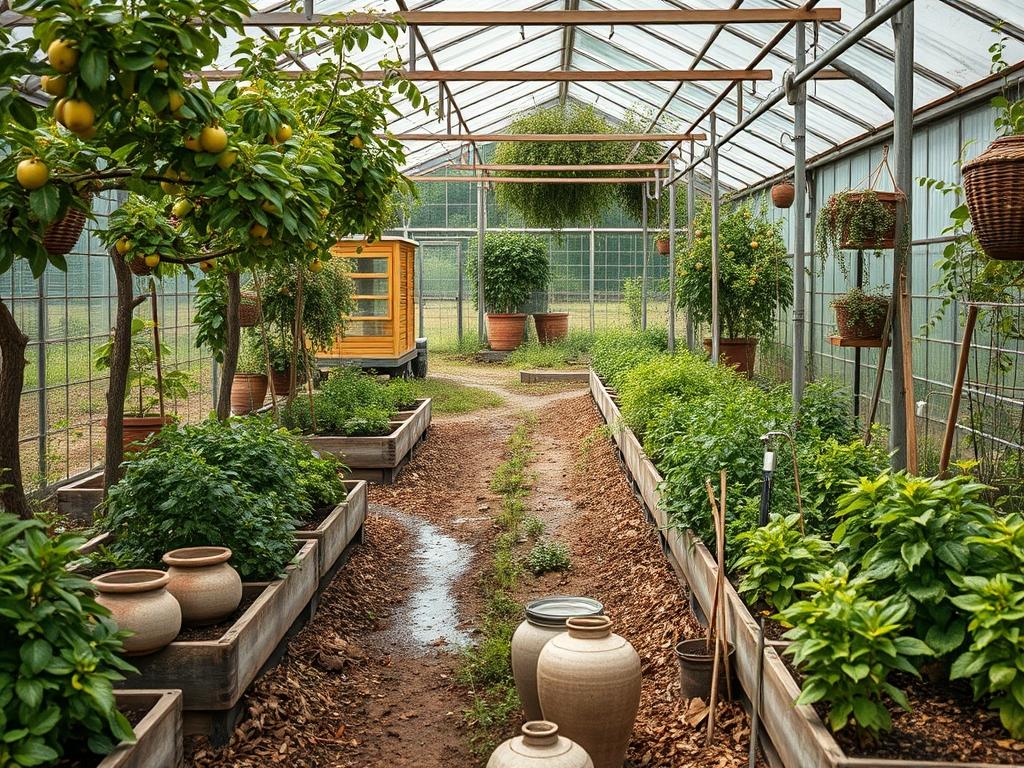
Establishing a legacy landscape through the installation of Traditional Cider Orchards requires a sophisticated understanding of both horticultural science and spatial aesthetics. Unlike modern high-density systems that rely on dwarf trellises, a traditional orchard utilizes standard or semi-standard rootstocks to create a permanent architectural canopy. This approach presents a unique landscaping challenge, as these trees can reach heights of 25 feet and live for over a century. A designer must consider how these sprawling specimens will interact with the local microclimate, influence the property’s curb appeal, and provide functional outdoor living spaces. The goal is to transform a productive agricultural asset into a multi-layered environment where symmetry, shadow, and structure converge to define the estate’s character.
Success begins with a rigorous site analysis that accounts for elevation and air drainage. Because cold air behaves like water, it flows downhill and settles in low spots, potentially damaging delicate blossoms during a late spring frost. A professional landscape plan elevates the orchard on gentle slopes to ensure constant air movement. This strategic positioning not only protects the harvest but also enhances the visual impact of the orchard from a distance. The orchard becomes a focal point that changes with the seasons, from the soft whites and pinks of springtime blooms to the heavy, fruit-laden boughs of autumn. By integrating the orchard into the broader landscape, the architect creates a sense of permanence and purpose that dwarf plantings simply cannot replicate.
Landscape Design Principles
The hallmark of Traditional Cider Orchards is the use of standard tree spacing, which typically requires a grid or quincunx pattern with trees set 30 feet apart. This generous spacing allows for the development of a classic orchard aesthetic, characterized by cathedral-like canopies and clear understory sightlines. Symmetry is paramount here. Aligning the trunks with primary sightlines from the main residence or outdoor patios creates a sense of rhythmic order. These “alleys” between the trees serve as natural corridors for both pedestrian circulation and maintenance machinery.
To achieve visual balance, the architect must also consider elevation layers. The tall canopy of the cider trees forms the ceiling of the outdoor room, while a well-maintained turf or clover understory provides the floor. In more ornamental transitions, designers may incorporate a middle layer of native shrubs or perennial borders at the orchard’s perimeter to soften the transition to more formal garden areas. Irrigation planning is equally critical; a subterranean drip irrigation system is preferred to keep the surface tidy and reduce water waste. By hiding the mechanical elements of the landscape, the focus stays on the majestic form of the trees. Walkways within the orchard should be constructed from porous materials like crushed limestone or pea gravel to maintain a rustic feel while ensuring stable footing during the muddy harvest season.
Plant and Material Selection
| Plant Type | Sun Exposure | Soil Needs | Water Demand | Growth Speed | Maintenance Level |
| :— | :— | :— | :— | :— | :— |
| Kingston Black (Apple) | Full Sun | Well-drained Loam | Moderate | Medium | High (Pruning) |
| Dabinett (Apple) | Full Sun | Rich Organic | Low to Moderate | Slow | Medium |
| Dutch White Clover | Sun/Part Shade | Most Types | Low | Fast | Low |
| Common Comfrey | Sun/Part Shade | Moist/Nitrogen Rich | Moderate | Fast | Low |
| English Lavender | Full Sun | Sandy/Gritty | Very Low | Medium | Low |
| Dwarf Boxwood | Sun/Part Shade | Well-drained | Moderate | Slow | Medium |
Implementation Strategy
The transition from a blueprint to a thriving orchard requires a systematic approach to site preparation and installation. First, the land must be graded to ensure that water moves away from the root zones of the trees. Standard apple trees are notoriously sensitive to “wet feet,” so installing French drains or perforated pipes in areas with heavy clay soil is a necessary precaution. Once the grading is set, the layout is marked using surveying stakes and marking paint to ensure the 30 foot intervals are precise. Accuracy at this stage prevents the orchard from looking disorganized as it matures over the next two decades.
Before the first tree is planted, the soil should be amended based on a professional lab analysis. Incorporating organic compost and bone meal into the planting holes provides a nutrient-rich foundation. When the trees are placed, the graft union must remain roughly 2 inches above the final soil line to prevent the scion from rooting. After backfilling the holes with native soil, a circular mulch ring of aged wood chips should be applied, maintaining a depth of 3 to 4 inches. This ring prevents competition from grass and retains moisture. Finally, a clear edging material, such as weathering steel or tumbled stone, can be used to define the boundary between the orchard floor and adjacent garden beds, providing a crisp finish that appeals to the eye.
Common Landscaping Failures
The most frequent mistake in designing Traditional Cider Orchards is improper spacing. Amateur planners often underestimate the eventual spread of a standard tree, leading to root overcrowding and a lack of sunlight in the interior canopy. When trees are planted too closely, the lack of airflow promotes fungal diseases like apple scab and powdery mildew. Furthermore, soil compaction is a silent killer in orchard environments. During construction, the use of heavy skid steers or excavators near the planting sites can crush the soil structure, preventing oxygen from reaching the roots.
Irrigation inefficiencies also rank high among common failures. Over-watering can lead to shallow root systems that make the trees susceptible to drought and windthrow. Conversely, a lack of consistent water during the first three years of establishment will stunt the tree’s growth permanently. Designers must also be wary of “hardscaping” too close to the trunks. Installing retaining walls or concrete paths within the projected drip line of a mature tree will lead to structural root damage. A successful plan leaves ample room for the tree to expand both above and below the ground.
Seasonal Maintenance
Landscape management for a cider orchard is a year-round commitment that changes with the biological clock of the trees. In the spring, the focus is on structural pruning and the application of slow-release nitrogen fertilizers. This is the time to remove any “water sprouts” or crossing branches that interfere with the desired vase shape of the canopy. As the weather warms, the emphasis shifts to monitoring for pests and ensuring the irrigation timers are adjusted for the heat. Summer also requires “thinning” of the fruit to ensure the remaining apples reach a desirable size and to prevent the heavy boughs from snapping under their own weight.
Autumn is the season of utility and celebration. The landscape must be kept clear of “windfalls,” or fallen fruit, which can attract unwanted wildlife and harbor pests over the winter. Once the harvest is complete, a final application of potassium-rich fertilizer helps the trees harden off for the cold. Winter is the best time for heavy restorative pruning while the trees are dormant. Using bypass loppers and hand saws, the gardener can refine the skeleton of the orchard. Protection is also vital during these months; installing spiral tree guards or wire mesh cages around the base of the trunks prevents voles and rabbits from girdling the bark during heavy snow cover.
Professional Landscaping FAQ
What is the ideal spacing for traditional cider trees?
For standard rootstocks, a spacing of 25 to 30 feet between trees is recommended. This allows for maximum sunlight penetration, adequate airflow, and enough room for a tractor or mower to navigate between the rows comfortably.
How do I choose between different cider apple varieties?
Select varieties based on a balance of “bittersweet” and “bitter-sharp” profiles. Ensure that the chosen species have overlapping bloom times to facilitate cross-pollination, which is essential for fruit production in almost all traditional cider orchards.
Can I grow other plants under my cider trees?
Yes, this is known as an understory. Use native wildflowers, clover, or herbs like chives and dill. These plants attract beneficial pollinators and can help accumulate nutrients in the soil without competing heavily with the tree roots.
What is the best way to handle orchard drainage?
Ensure the site has a minimum 2 percent slope. For flatter areas, install a swale or a series of catch basins to move surface water away from the trees, as standing water leads to root rot.
Is a retaining wall necessary for a sloped orchard?
Only if the slope exceeds 30 degrees. In most cases, it is better to use natural terracing or boulders to stabilize the soil, as large concrete retaining walls can interfere with the extensive root systems of standard apple trees.