
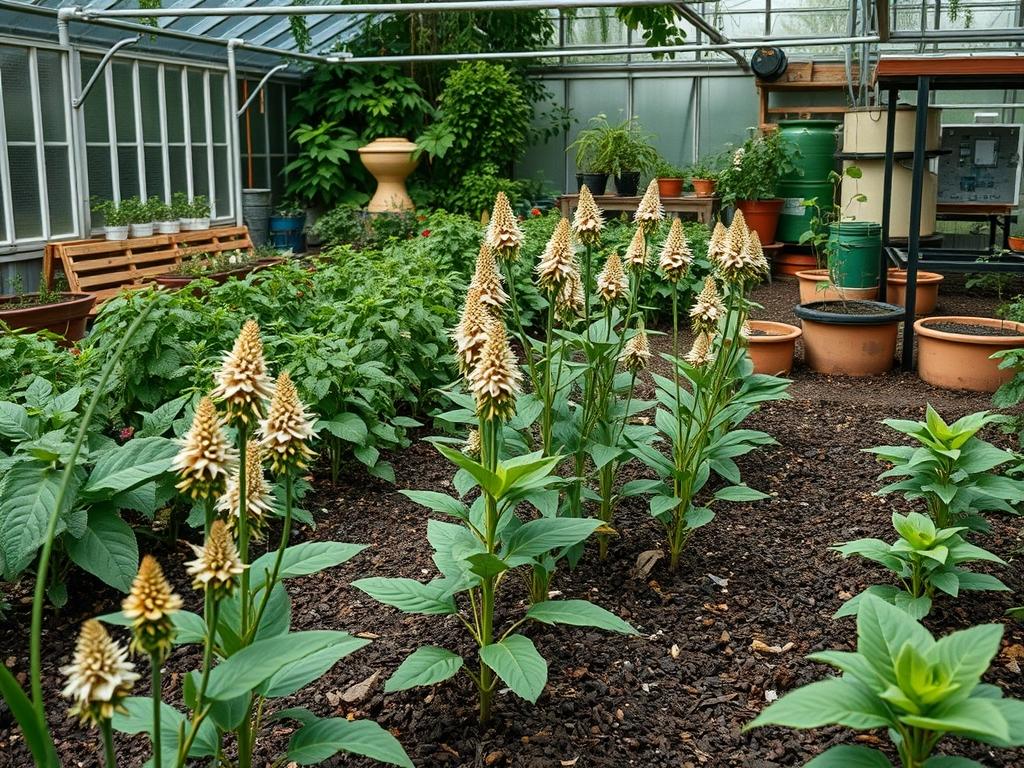
Designing high-performance landscapes in the modern era requires a delicate balance between aesthetic perfection and ecological functionality. For many years, traditional horticulture prioritized manicured lawns and non-native ornamentals that offered little to the local environment. Today, senior landscape architects are shifting the focus toward “wilder” aesthetics that integrate seamlessly with the surrounding ecoregion. The primary challenge in this transition is maintaining curb appeal while introducing species that may have been previously dismissed as weeds. Native Milkweed Varieties (members of the Asclepias genus) are the cornerstone of this design shift. In addition to being the sole host plant for monarch butterflies, these perennials provide architectural structure, vibrant color palettes, and deep root systems that improve soil porosity. Successfully incorporating them into a professional plan requires a deep understanding of site-specific hydrology, soil composition, and the visual hierarchy of the garden.
By selecting the right species for your specific geographic location, you ensure that the landscape remains resilient against local climate stressors such as drought or seasonal flooding. Proper placement affects more than just the health of the plant; it influences personal outdoor living goals by creating a dynamic environment filled with movement. A well-planned milkweed installation can serve as a soft-textured backdrop or a vibrant focal point, depending on the variety selected. Whether you are managing a dry, sandy slope in the Southwest or a heavy clay rain garden in the Southeast, there is a specific milkweed variety that fits the technical requirements of your site.
Landscape Design Principles
Integrating Native Milkweed Varieties into a professional landscape requires adherence to foundational design principles to prevent the space from appearing unmanaged. Symmetry and visual balance can be achieved by “massing” milkweed species rather than planting them in isolation. A single Asclepias tuberosa might look accidental, but a cluster of seven or nine plants creates a powerful drift of orange that guides the eye. This technique provides a clear focal point within the larger garden composition. When planning your layout, consider elevation layers. Taller species like Asclepias syriaca should be relegated to the back of the border, while shorter varieties like Asclepias verticillata can edge walkways or fill the foreground.
Irrigation planning is another critical design pillar. Grouping plants with similar hydro-zones ensures that your low-flow emitters or soaker hoses operate efficiently without overwatering sensitive species. For example, placing swamp milkweed near a drainage outlet or in a low-lying area of the yard allows it to thrive without requiring supplemental irrigation during every dry spell. Conversely, xeric varieties should be placed on higher ground or slopes to ensure proper percolation. Finally, consider the use of hardscaping to “frame” the native plants. A crisp edge created by steel edging, brick pavers, or a low retaining wall signals to the observer that the wilder vegetation is a deliberate, managed choice, thereby preserving the property’s curb appeal.
Plant and Material Selection
| Plant Type | Sun Exposure | Soil Needs | Water Demand | Growth Speed | Maintenance Level |
| :— | :— | :— | :— | :— | :— |
| Asclepias tuberosa | Full Sun | Sandy/Well-Drained | Low | Moderate | Low |
| Asclepias incarnata | Full to Part Sun | Clay/Moist Muck | High | Fast | Moderate |
| Asclepias syriaca | Full Sun | Adaptable/Loam | Low to Medium | Aggressive | Medium |
| Asclepias verticillata | Full to Part Sun | Dry/Rocky | Very Low | Moderate | Low |
| Asclepias speciosa | Full Sun | Loam/Well-Drained | Low to Medium | Fast | Low |
| Asclepias fascicularis | Full Sun | Variable/Clay | Low | Fast | Low |
| Asclepias purpurascens | Part Shade | Rich Loam | Medium | Slow | High |
Implementation Strategy
The transition from a blueprint to a thriving garden begins with rigorous site preparation. First, conduct a soil test to determine pH levels and nutrient density. Most Native Milkweed Varieties prefer lean soil, so excessive fertilization is often counterproductive and can lead to leggy growth. Begin by grading the area to ensure that water moves away from the home’s foundation and toward designated bioswales or garden beds. If the soil is heavily compacted from construction, use a broadfork or tiller to break up the top 12 inches of earth, though many milkweeds with deep taproots will eventually penetrate compaction on their own.
Once the site is prepared, lay out your plant pots according to the spacing requirements noted in your design. Remember that root balls should be planted at the same depth they were in the nursery container; planting too deep can lead to crown rot. After the plants are in the ground, install an irrigation system tailored to the specific needs of each zone. Cover the bare soil with 3 inches of hardwood mulch or pine straw to suppress weeds and retain moisture during the establishment phase. Be careful to keep mulch a few inches away from the stems of the plants to prevent moisture-related fungal issues. Finally, define the beds with professional edging to create a clean transition between the milkweed drifts and the turf or walkways.
Common Landscaping Failures
One of the most frequent errors in native landscaping is improper species selection for the ecoregion. For instance, planting Asclepias incarnata in a dry, upland environment will result in stunted growth and eventual plant death unless excessive potable water is used for irrigation. Another common failure is ignoring the mature size and spread of the plant. Asclepias syriaca spreads via underground rhizomes, and in a small, refined flower bed, it can quickly overwhelm neighbor plants and look chaotic. In confined spaces, it is far better to use clumping varieties like Asclepias tuberosa.
Drainage mistakes also plague many installations. If a site lacks proper percolation, water will pool around the roots, causing oxygen deprivation and rot. This is especially true for western varieties that are adapted to arid climates. Furthermore, soil compaction should never be ignored. If you plant into a “heavily compacted” clay layer without any amendment or physical loosening, the roots may circle within the planting hole rather than anchoring deep into the earth. Lastly, many homeowners fail to realize that milkweed attracts specific insects like aphids. While these are part of the ecosystem, an “over-sanitized” approach involving chemical pesticides will kill the very pollinators the garden was designed to support.
Seasonal Maintenance
Landscape management for milkweed changes significantly with the calendar. In the spring, focus on removing the dead stalks from the previous year once temperatures consistently rise above 50 degrees Fahrenheit. This delay protects overwintering beneficial insects that hide in the hollow stems. Apply a light layer of organic mulch if the ground is bare, but avoid heavy composting. As the summer heat intensifies, monitor new plantings daily. Even drought-tolerant species need regular watering during their first full growing season until their deep taproots are established.
During the autumn, allow the plants to go to seed if you wish to expand your colony, or remove the seed pods before they burst if you want to limit spreading. The “dried pod” look can provide excellent winter interest and architectural silhouette against the snow. In winter, the maintenance is primarily passive. Ensure that your hardscaping and retaining walls are clear of heavy debris, and avoid using salt-based de-icers near milkweed beds, as the salt runoff can significantly alter soil chemistry and damage the sensitive root systems of the dormant perennials.
Professional Landscaping FAQ
How do I stop milkweed from taking over my entire garden?
To control spreading, choose clumping varieties like Asclepias tuberosa instead of rhizomatous species. Additionally, remove seed pods in late summer before they open to prevent wind-blown seeds from germinating in unwanted areas of the landscape.
Can I grow milkweed in partial shade?
While most varieties crave full sun, Asclepias purpurascens (Purple Milkweed) and Asclepias incarnata can tolerate partial shade. However, expect fewer blooms and slightly thinner growth compared to specimens grown in the recommended six to eight hours of direct sunlight.
Is milkweed toxic to pets or livestock?
Yes, milkweed contains cardiac glycosides which are toxic if ingested in large quantities. In a residential landscape, most pets avoid the bitter taste. However, avoid planting it inside fenced areas where curious livestock might graze on the foliage.
Why are the leaves on my milkweed turning yellow?
Yellowing leaves often indicate overwatering or poor drainage, leading to root stress. Ensure the soil is not waterlogged. If the veins remain green while the leaf turns yellow, it may be a sign of iron chlorosis caused by high pH.
How long does it take for milkweed to flower?
Plants grown from nursery stock usually flower in their first season. If starting from seed, expect a two to three year timeline for the plant to establish its root system before it produces a significant floral display.