Effective landscape management begins with a comprehensive understanding of site hydrology and the way water interacts with the built environment. Residential and commercial properties often encounter significant challenges when managing low-lying areas, heavy seasonal runoff, or naturally high water tables. These saturated conditions can compromise the structural integrity of foundations, kill off conventional lawns, and diminish overall curb appeal. However, a professional landscape architect views these damp zones not as liabilities, but as opportunities to install highly functional, aesthetically pleasing rainwater management systems. Integrating native wetland plants into these areas serves a dual purpose. First, it facilitates biological filtration and groundwater recharge. Second, it creates a lush, tiered environment that thrives where standard landscape options fail. The goal of this guide is to bridge the gap between civil engineering and softscape design, ensuring your outdoor living spaces remain functional and beautiful regardless of rainfall intensity.
Landscape Design Principles
Successful drainage-focused landscaping requires a balance of form and function. While the technical goal is to move or absorb water, the visual goal is to create a sense of intentionality and permanence. Symmetry plays a vital role in formal applications; however, in a rain garden or bioswale, we often look for asymmetrical balance to mimic natural riparian corridors. Using focal points, such as a large Bald Cypress (Taxodium distichum) or a strategically placed granite boulder, helps draw the eye across the landscape rather than allowing it to settle on the wet ground.
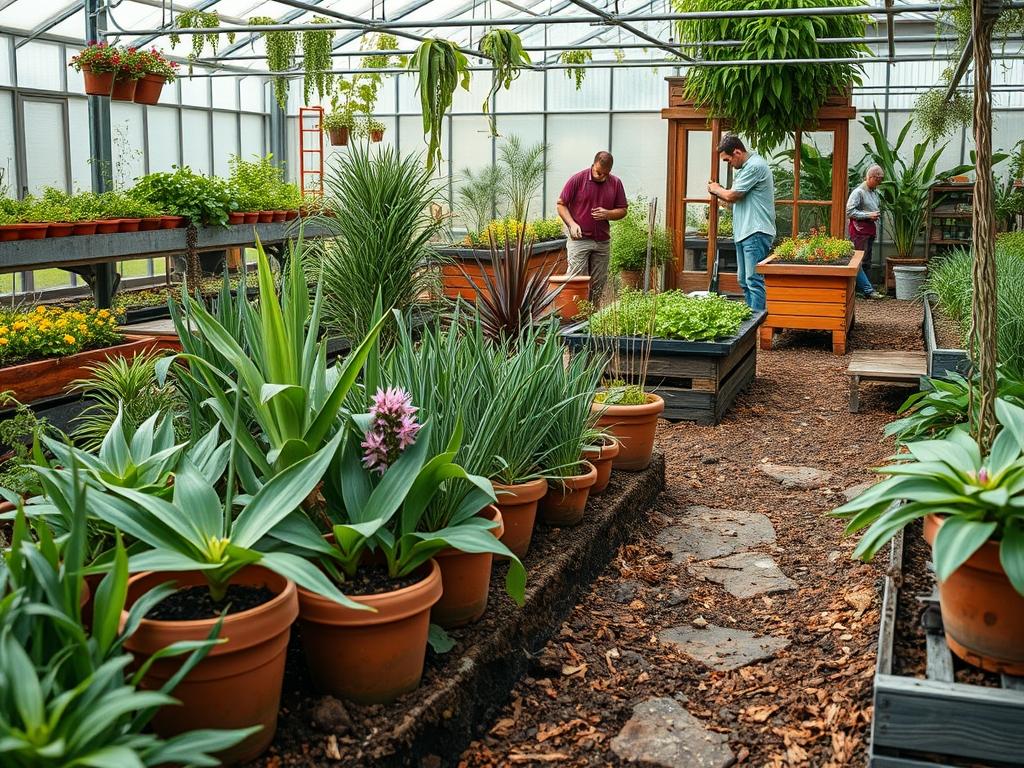
Elevation layers are essential for creating a professional look. By utilizing a three-tier system of groundcovers, mid-sized shrubs, and canopy trees, you can hide the utilitarian aspects of a drainage basin while providing a rich texture. This verticality also helps with water uptake; larger trees can transpire hundreds of gallons of water per day. Walkways within these areas should involve permeable materials like stepping stones or decking boards elevated on piers to allow the soil below to breathe. Finally, irrigation planning might seem counterintuitive in a wet zone, but even native wetland plants require supplemental water during the first two years of establishment to ensure they develop the deep root systems necessary for long-term survival.
Plant and Material Selection
The following selection focuses on species and materials that tolerate the swing between total saturation and dry spells, often referred to as hydro-period fluctuations.
| Plant Type | Sun Exposure | Soil Needs | Water Demand | Growth Speed | Maintenance |
| :— | :— | :— | :— | :— | :— |
| Swamp Milkweed | Full Sun | Wet, Clay | High | Medium | Low |
| Red Osier Dogwood | Full to Part Sun | Moist, Acidic | High | Fast | Moderate |
| Carex (Sedge) | Full Sun to Shade | Hydric Soils | High | Fast | Low |
| Joe Pye Weed | Full Sun | Moist, Loam | High | Fast | Moderate |
| Blue Flag Iris | Full to Part Sun | Wet, Boggy | Very High | Medium | Low |
| Buttonbush | Full Sun to Part Shade | Wet, Sand/Clay | Very High | Medium | Moderate |
When selecting materials, prioritize hardwood mulch over lighter varieties that float away during heavy flooding. River rock (3-inch to 5-inch diameter) is excellent for lining the primary flow channel, as it stays in place and prevents soil erosion near the mouth of PVC drainage pipes.
Implementation Strategy
The transition from a soggy lawn to a professional native wetland garden starts with precise grading. The basin should be excavated to a depth of 12 inches to 18 inches depending on the volume of runoff. The bottom of the basin must be level to ensure even infiltration, while the sides should have a gentle slope of no more than 3:1 to prevent soil slumping. If the soil has high clay content, it may be necessary to amend the area with 2 inches of coarse sand and 3 inches of organic compost to improve the percolation rate.
Once the grading is finalized, install any necessary hardscaping, such as retaining wall blocks or overflow stones. These elements act as the “skeleton” of the design. Next, laying out the plants according to their moisture tolerance is critical. Place the most water-tolerant species, like Blue Flag Iris, in the deepest part of the basin. Position shrubs like Red Osier Dogwood along the upper banks where they can access the water but also benefit from better oxygenation in the soil. Finish the area with a 3-inch layer of triple-ground mulch. This depth is specific; too shallow and it won’t suppress weeds, too deep and it can suffocate the roots of your new plants. Finally, use steel edging or heavy stones to define the perimeter of the garden, creating a clean line that separates the wilder wetland plants from the rest of the manicured turf.
Common Landscaping Failures
The most frequent mistake in drainage landscaping is a lack of consideration for soil compaction. During the construction phase, heavy machinery often presses the soil so tightly that water cannot penetrate the surface, defeating the purpose of a rain garden. If the soil is compacted, it must be aerated or tilled before planting. Another common error is root overcrowding. It is tempting to plant closely for immediate visual impact, but native wetland plants are often vigorous growers. Placing Buttonbush or Joe Pye Weed too close to one another leads to poor air circulation, which invites powdery mildew and fungal infections.
Irrigation inefficiencies also plague many drainage projects. Just because an area is wet does not mean the plants reflect a “set it and forget it” mentality. In the peak of a hot summer, even a wetland area can dry out completely. If a soaker hose is not installed for these drought periods, the plants may go into shock. Lastly, many homeowners fail to plan for an “overflow path.” No matter how well designed a garden is, a 100-year storm event will exceed its capacity. Without a designated path for excess water to exit the property, it often redirects toward the home or neighboring structures, causing significant damage.
Seasonal Maintenance
Landscape management is a year-round commitment. In the spring, the primary focus is cleanup. This includes removing dead stalks from the previous season and checking for any drainage blockages caused by leaves or debris that accumulated in the winter. This is also the best time to apply a thin layer of supplemental compost to provide nutrients for the upcoming growth spurt.
During the summer, monitoring for invasive species is paramount. Wetland environments are highly productive, and weeds like Purple Loosestrife can quickly take over if not managed. Regular weeding ensures the native plants do not have to compete for resources. In the autumn, do not be too quick to “clean up.” Leaving the dried seed heads of plants like Swamp Milkweed and Joe Pye Weed provides essential winter forage for birds and habitats for beneficial insects. Finally, winter is the time for structural assessment. Without the foliage in the way, you can clearly see the “bones” of the landscape. Check for soil erosion around retaining walls and inspect downspout extensions to ensure they are not cracked or clogged by ice.
Professional Landscaping FAQ
Why should I choose native plants over ornamental varieties for drainage?
Native plants have evolved complex, deep root systems specifically adapted to local soil conditions and moisture levels. They are better at absorbing heavy runoff and surviving local pests without the need for excessive chemical fertilizers or constant human intervention.
How do I prevent my rain garden from becoming a mosquito breeding ground?
A properly designed drainage garden should be completely dry within 24 to 48 hours after a rain event. This timeframe is too short for mosquito larvae to mature. Using native plants also attracts dragonflies and birds that act as natural predators.
Can I use wood chips in a high-flow drainage zone?
Light wood chips tend to float and wash away during heavy storms, potentially clogging drains. In high-flow areas, use hardwood mulch or river rock. These materials are heavier and provide the necessary weight to remain in place during significant rain.
Is it necessary to install a French drain alongside native plants?
It depends on the volume of water. For minor saturated spots, plants alone are often sufficient. However, for significant structural drainage issues, a perforated PVC pipe wrapped in filter fabric and buried in 3/4-inch gravel can complement the biological work of plants.
What is the best way to handle clay soil in a wet zone?
Clay soil has poor drainage because of its dense structure. For a professional result, you should incorporate gypsum or leaf mold to help break up the clay particles. This improves the air space in the soil, allowing native roots to penetrate deeper.