
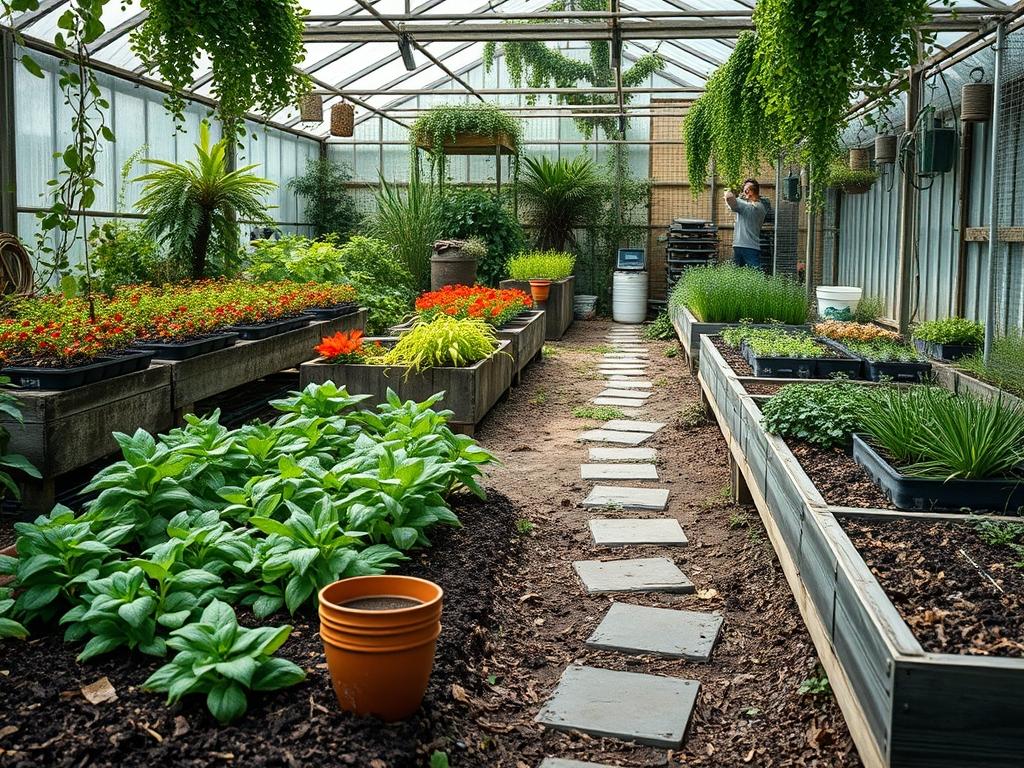
Designing sensory paths goes far beyond the simple installation of a walkway from point A to point B. As a landscape architect, I view these corridors as the nervous system of the outdoor environment, where every step provides a tactile, visual, or olfactory stimulus that grounds the user in the present moment. The primary challenge in designing sensory paths lies in balancing high-traffic durability with soft, experiential textures. Climate considerations are paramount; a material that feels cool and inviting in a temperate coastal zone might become a heat sink in an arid desert or a slippery hazard in a frost-prone mountain region. Beyond functionality, these paths serve as the backbone of curb appeal, guiding the eye through the property and defining the structural hierarchy of the garden. By integrating varied natural textures, we transform a mundane transition into a therapeutic journey that enhances the overall outdoor living experience.
Landscape Design Principles
When designing sensory paths, we must adhere to the core tenets of spatial organization to ensure the final product feels intentional rather than cluttered. Symmetry provides a sense of formal grandeur, while asymmetry fosters a more naturalistic and relaxing atmosphere. For a path to be successful, it requires a clear focal point, such as a large granite boulder, a sculptural fountain, or a specimen tree like a Japanese Maple, to pull the visitor forward.
Elevation layers are crucial for creating a three-dimensional experience. We use retaining walls to manage slopes and create tiered planting beds that bring fragrant foliage closer to nose level. Irrigation planning must be integrated at the blueprint stage, ensuring that different texture zones receive precise hydration without saturating the walking surface. Visual balance is achieved through the repetition of shapes and colors, while varied textures, such as the contrast between sharp flagstone edges and soft moss infill, provide the necessary tactile variety. A well-designed path also accounts for “wayfinding,” using subtle shifts in material density to signal a change in the garden’s purpose or mood.
Plant and Material Selection
| Plant Type | Sun Exposure | Soil Needs | Water Demand | Growth Speed | Maintenance Level |
| :— | :— | :— | :— | :— | :— |
| Thymus serpyllum (Creeping Thyme) | Full Sun | Well-drained | Low | Moderate | Low |
| Lavandula angustifolia (Lavender) | Full Sun | Sandy/Gritty | Low | Moderate | Medium |
| Ophiopogon japonicus (Mondo Grass) | Part Shade | Rich/Moist | Moderate | Slow | Low |
| Festuca glauca (Blue Fescue) | Full Sun | Poor to Average | Low | Moderate | Low |
| Dichondra repens (Kidney Weed) | Partial Shade | Loamy | Moderate | Fast | Moderate |
| Stachys byzantina (Lamb’s Ear) | Full Sun | Well-drained | Low | Fast | Low |
| Irish Moss (Sagina subulata) | Part Shade | Consistently Moist | High | Moderate | Medium |
Implementation Strategy
The process of designing sensory paths begins with a meticulous site survey and layout. First, mark the path using landscape marking paint or a flexible garden hose to visualize the curves. Once the layout is confirmed, excavation begins to a depth of at least 8 inches to allow for a proper sub-base. Grading is the most critical technical step; the path must have a minimum 2 percent slope away from building foundations to prevent water pooling.
After the soil is compacted using a plate compactor, install a heavy-duty geotextile fabric to prevent weed growth and separate the soil from the base materials. For the base, use 4 inches of crushed stone or 3/4-minus gravel, followed by a 2-inch layer of bedding sand if you are laying pavers or flagstone.
Edging is essential for containing the path materials and providing a clean finish. Options include Corten steel, cedar timber, or concrete curbing. If your design includes soft textures like pea gravel or decomposed granite, ensure the edging sits 1 inch above the material surface. For the sensory elements, integrate “scent pockets” by planting Lavandula or Rosmarinus in the gaps between stones. Infill the remaining crevices with creeping perennials to soften the hardscape. Finally, apply a 3-inch layer of hardwood mulch to surrounding beds to regulate soil temperature and provide a contrasting dark texture to the path.
Common Landscaping Failures
One of the most frequent errors when designing sensory paths is neglecting drainage. Without a proper “crowning” or pitch, water will collect in the low spots of the path, leading to algae growth, slippery surfaces, and eventually the failure of the base material. Another issue is root overcrowding. Many homeowners choose fast-growing shrubs for immediate privacy but fail to account for the mature width of the species. Within three years, these plants can overgrow the path, forcing visitors to duck or weave, which ruins the intended flow.
Soil compaction is another silent killer of a beautiful sensory path. If the soil in the planting pockets is too compacted during the construction phase, the “stepable” plants like creeping thyme will fail to thrive because their roots cannot penetrate the earth to find oxygen. Furthermore, improper spacing of stepping stones can lead to an uncomfortable gait. A standard human stride is approximately 24 to 26 inches, so centers of stones should be placed accordingly to prevent guests from overextending or taking unnaturally small steps. Lastly, irrigation inefficiencies, such as over-spraying the path surfaces, can cause stone degradation and promote the growth of unsightly weeds in the joints.
Seasonal Maintenance
Designing sensory paths is a long-term commitment that evolves with the seasons. In the spring, the focus is on “uncovering” and rejuvenation. Remove winter debris, clear away dead foliage, and apply a fresh 1-inch layer of compost to planting pockets. This is also the time to inspect the irrigation system for leaks caused by the winter freeze and to reset timers for the growing season.
Summer maintenance is dominated by hydration and pruning. As temperatures rise, monitor the moisture levels of the pathway plants, as they are often subjected to reflected heat from the stone. Lightly shear the edges of groundcovers to keep them from encroaching too far onto the walking surface. In the autumn, the priority shifts to leaf management. Use a leaf blower on a low setting or a soft rake to clear the path, as decaying organic matter can stain porous stones and create a slippery sludge.
During the winter, maintenance depends on your climate. In colder regions, avoid using heavy salts or chemical de-icers on sensory paths, as these can drastically alter the soil pH and kill the delicate “stepable” plants. Instead, use a small amount of coarse sand for traction. Check for “heaving” where the freeze-thaw cycle may have displaced flagstone or pavers, and mark these for repair once the ground thaws.
Professional Landscaping FAQ
What is the best material for a low-noise sensory path?
Decomposed granite or fine bark mulch are excellent choices for noise reduction. Unlike crushed gravel, these materials muffle the sound of footsteps, creating a quieter, more reflective garden environment that emphasizes the sounds of nature like wind and birds.
How do I prevent weeds from growing between my stepping stones?
Install a high-quality non-woven geotextile fabric beneath the base material. For the joints, use polymeric sand, which hardens when misted with water to create a durable, weed-resistant seal that still allows for slight natural movement.
Can I create a sensory path in a small shady area?
Yes. Use shade-tolerant textures like Moss, Ophiopogon japonicus, and Ferns. Incorporate light-colored materials such as white quartz gravel or light grey limestone to brighten the space and make the path feel more expansive and inviting.
Are sensory paths safe for children and pets?
Absolutely. Ensure you select non-toxic plants and avoid materials with sharp edges. Soft-touch plants like Lamb’s Ear are wonderful for children. Avoid using small pebbles that could be a choking hazard or large gaps that could trip runners.
How much does it cost to install a professional sensory path?
Costs vary based on materials and labor. A basic mulch and timber path may cost $10 per linear foot, while a custom mortared flagstone path with professional retaining walls can exceed $100 per linear foot depending on the stone’s rarity.