
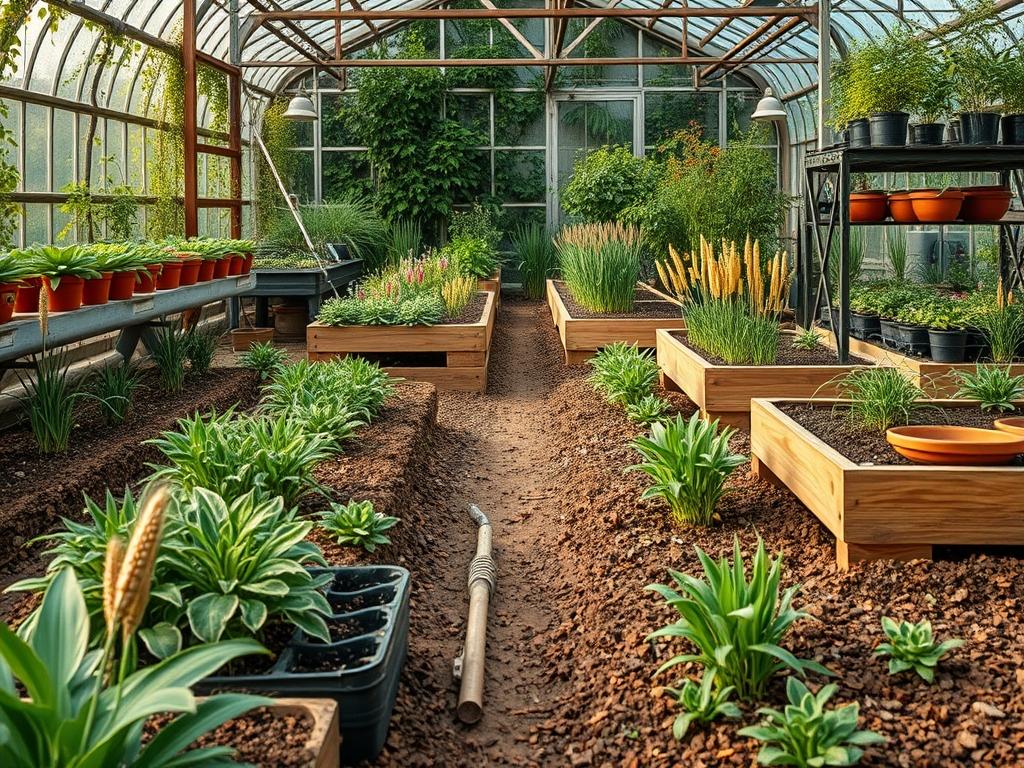
Integrating functional agriculture into high end residential landscaping is no longer a niche hobby for the rural enthusiast; it is a sophisticated design choice for the modern estate. Landscape architects are increasingly tasked with balancing aesthetic elegance with environmental stewardship. One of the most effective ways to achieve this balance is by saving rare heritage grains within the home landscape. These ancient varieties, which include Emmer, Einkorn, and Spelt, offer unique textures and colors that traditional ornamental grasses cannot match. Beyond their beauty, they provide a tangible link to our shared agricultural history. By incorporating these grains into a professional landscape plan, we address the growing demand for cultural biodiversity while solving common site challenges such as erosion control and water management. A well designed grain installation functions as a living tapestry, shifting with the seasons and providing a resilient alternative to the thirsty, high maintenance turf grass that dominates suburban design.
The primary challenge in modern landscape design is creating an environment that feels both curated and natural. Curb appeal is often measured by the vibrancy and structure of the front garden, yet many homeowners struggle with the long term sustainability of exotic ornamentations. Transitioning a portion of the property to heritage grains allows for a more rugged, drought tolerant aesthetic that requires fewer chemical inputs. From a consultant’s perspective, the goal is to optimize outdoor functionality. This means designing spaces that are not only beautiful to look at from a window but are also productive and ecologically sound. Saving rare heritage grains allows a property to serve as a micro sanctuary for genetic diversity, protecting seeds that might otherwise vanish from the global inventory while providing the homeowner with a distinctive, conversation starting landscape.
Landscape Design Principles
Successful landscaping with heritage grains requires a firm grasp of traditional design principles, specifically symmetry and focal points. Because grains like Black Emmer or Purple Karma Barley grow to significant heights, they should be used as structural elements. They work exceptionally well when framed by low lying Evergreens or Boxwood hedges, which provide a formal border for the more fluid, swaying motion of the grain stalks. Symmetry can be achieved by flanking a main walkway with uniform rows of Einkorn, creating a rhythmic entrance that emphasizes the linear perspective of the path.
Elevation layers are critical when planning these installations. In a professional layout, heritage grains serve as the mid tier or background layer. Placing taller varieties at the rear of a tiered planter or along a Retaining wall ensures that they do not overshadow smaller flowering perennials. This layering creates depth, making a small backyard appear much larger than its actual dimensions. We also consider the visual balance of color. Many heritage grains transition from a cool blue green in the spring to a warm, burnished gold or deep mahogany in late summer. This dynamic color palette must be coordinated with the hardscaping materials. For instance, the golden hues of ripened wheat contrast beautifully with Blue Stone pavers or dark Basalt gravel.
Irrigation planning for heritage grains differs significantly from standard lawn care. These plants are often deeper rooted than modern hybrids, making them more resilient during dry spells. However, during the establishment phase, a precisely calibrated Drip irrigation system is essential. By delivering water directly to the root zone, we prevent the fungal issues that can arise from overhead watering while conserving a precious resource. Walkways should be designed to allow maintenance access without compacting the soil near the grain beds. Using Permeable pavers or Decomposed granite for these paths ensures that rainwater can still reach the subsoil, maintaining the hydrological health of the entire site.
Plant and Material Selection
Selecting the right variety is the foundation of a successful heritage grain project. Each variety brings a different architectural form and environmental requirement to the table.
| Plant Type | Sun Exposure | Soil Needs | Water Demand | Growth Speed | Maintenance Level |
| :— | :— | :— | :— | :— | :— |
| Einkorn (Wheat) | Full Sun | Poor to Average | Low | Slow | Low |
| Emmer (Wheat) | Full Sun | Well-Drained | Low | Moderate | Low |
| Purple Karma Barley | Full Sun | Loamy/Rich | Medium | Moderate | Moderate |
| Heritage Rye | Full Sun/Partial | Sandy/Acidic | Very Low | Fast | Low |
| Spelt | Full Sun | Heavy Clay/Loam | Medium | Moderate | Low |
| Black Emmer | Full Sun | Loamy | Low | Fast | Low |
For the hardscaping elements, we recommend using Natural stone, Cedar wood, and Powder-coated steel edging. These materials provide the necessary clean lines to contrast with the organic, wilder appearance of the cereal crops. Hardwood mulch or Pine straw should be used to suppress weeds and retain moisture during the hotter months.
Implementation Strategy
The transition from a design on paper to a physical landscape involves a series of technical steps. First, site grading is paramount. The land must be sloped at a minimum of 2 percent away from any permanent structures to ensure proper drainage. If the backyard has a significant slope, we implement Terracing using Timber or Stone retaining walls to create flat planting pockets. This prevents seeds from washing away during heavy spring rains.
Once the grading is complete, the soil must be prepared. Unlike modern crops that require heavy fertilization, many heritage grains thrive in leaner soils. However, one should still test the pH levels. We typically incorporate 3 inches of organic compost into the top 6 inches of soil to improve structure. For edging, we recommend Steel edging driven 4 inches into the ground to create a crisp transition between the grain beds and the walking paths.
Sowing the grains should be done with precision. For a landscape effect, broadcast seeding is less effective than drilling or hand planting in tight rows. This ensures a uniform “wall” of grain. After sowing, a light layer of Straw mulch (approximately 1 inch deep) is applied to protect the seeds from birds and to keep the soil surface from crusting. As the grains grow, thinning may be necessary to ensure that each plant has enough space for air circulation, which is the primary defense against mildew in humid climates.
Common Landscaping Failures
The most frequent mistake in grain landscaping is poor drainage. Heritage grains are susceptible to “wet feet,” where the roots sit in stagnant water, leading to rot and fungal infections. This is often caused by failing to address a heavy clay subgrade before planting. Another common failure is root overcrowding. While the goal is a dense, lush look, planting too closely prevents the stalks from strengthening, usually resulting in “lodging,” where the grain falls over after a rainstorm.
Soil compaction is another silent killer. During construction, heavy machinery can crush the soil structure, leaving it impenetrable for delicate roots. Professionals must use Aeration tools to loosen the ground before any planting begins. Furthermore, many homeowners over-irrigate. Unlike a golf course lawn, heritage grains prefer a “soak and dry” cycle. Constant moisture encourages shallow root systems, making the plants vulnerable to high winds and heat waves. Proper spacing, usually 4 to 6 inches between plants, and a dedicated Irrigation controller can mitigate these risks.
Seasonal Maintenance
Landscape management is a year round commitment. In the spring, the focus is on soil preparation and the first sowing. This is the time to check the Irrigation lines for leaks and to clear any debris that has accumulated in the drainage gulleys. Pre-emergent weed control is also vital during this window, as you do not want invasive grasses competing with your heritage crops.
During the summer, the primary task is monitoring for pests and ensuring consistent moisture levels as the grains reach their full height. This is the peak aesthetic period where the architectural value of the grains is most apparent. In the autumn, the harvest occurs. Even if the homeowner does not intend to mill the grain for flour, the stalks should be cut back to about 3 inches above the ground. This “clean up” phase is essential for preventing pests from overwintering in the dead foliage. Finally, in the winter, the focus shifts to dormant hardscape maintenance. We inspect the Retaining walls for frost heave and plan the crop rotation for the following year. Rotating the types of grains grown in each bed prevents soil depletion and breaks the cycle of variety specific pathogens.
Professional Landscaping FAQ
How much sun do heritage grains require for growth?
Most heritage grains require at least 6 to 8 hours of direct sunlight daily. Without adequate light, the stalks become leggy and weak, failing to provide the structural focal point needed for high quality landscape design.
Can heritage grains be grown in containers?
Yes, grains like Einkorn and Barley thrive in large, well drained pots. Ensure the containers are at least 12 inches deep and use a high quality potting mix amended with coarse sand to facilitate drainage.
Do these grains attract unwanted garden pests?
While birds are naturally attracted to the seeds, traditional garden pests like aphids are rarely a major issue for heritage varieties. Using Bird netting during the ripening stage can protect the visual integrity of your crop if necessary.
How do heritage grains stabilize the soil?
The deep, fibrous root systems of ancient grains are excellent for erosion control. They bind the soil particles together more effectively than shallow turf, making them ideal for planting on gentle slopes or near Drainage swales.
Is specialized equipment needed for a small grain patch?
No, for residential landscaping, standard garden tools such as a Hula hoe, Hand pruners, and a Broadcast spreader are sufficient. The scale of a home garden does not require the heavy machinery used in industrial agriculture.