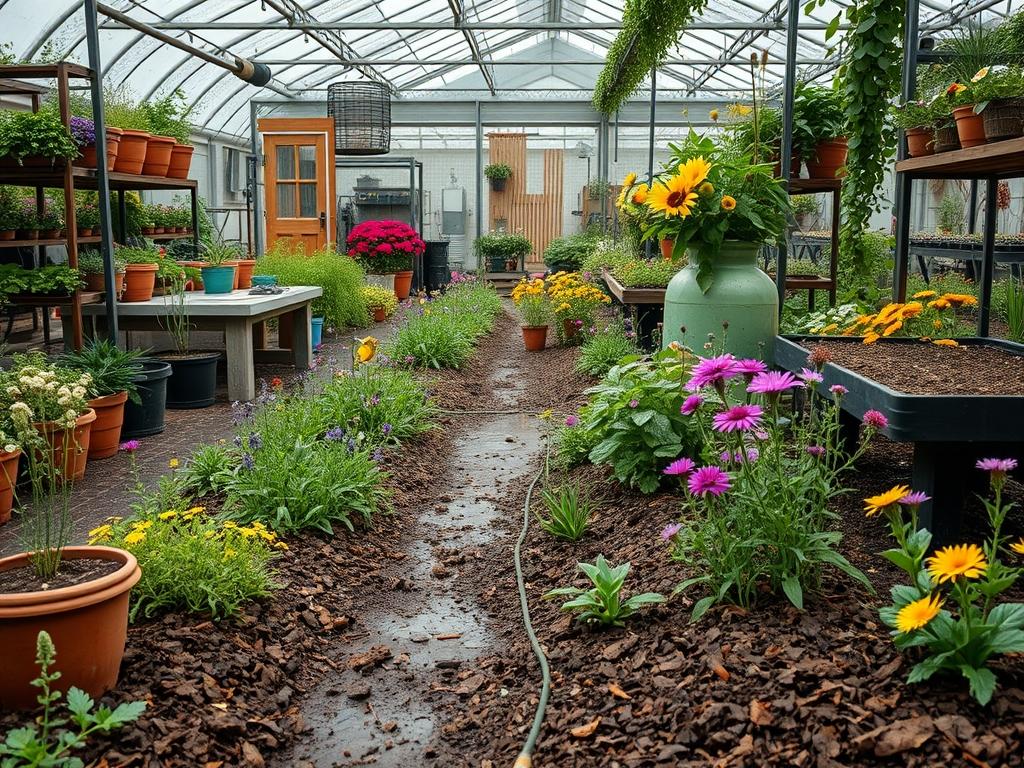
Choosing the right native wildflower mixes requires more than a simple aesthetic preference; it demands a deep understanding of your regional ecosystem and the specific microclimates within your site. As a landscape architect, I look at wildflower integration as a long term investment in the land. These plants provide more than just color; they offer essential services such as erosion control, pollinator support, and stormwater management. The challenge for many homeowners and developers is that commercial seed packets are often generic, containing species that may be invasive in your specific region or ill suited for your soil profile. To achieve a successful meadow or naturalized garden bed, you must match the physiological needs of the plants to the existing environmental constraints. This ensures a resilient landscape that maintains high curb appeal while functioning as a self sustaining habitat.
Landscape Design Principles
Integrating native wildflower mixes into a professional landscape design requires a balance between intentional structure and natural fluidity. One of the most common mistakes is treating a wildflower area as an afterthought, leading to a space that looks neglected rather than curated. I use the principle of focal points to draw the eye through the meadow. This can be achieved by placing a large boulder, an architectural wooden pergola, or a specimen tree like a Quercus alba at a strategic intersection. These elements provide visual weight and a sense of permanence amidst the seasonal shifts of the flowers.
Elevation layers are another critical consideration. In a well designed wildflower garden, we layer plants by height to create a sense of depth and volume. Taller species like Andropogon gerardii serve as a backdrop, while mid height flowering perennials fill the center, and creeping groundcovers define the edges. This structural approach prevents the “flat” look often associated with poorly planned seed applications. Furthermore, the integration of formal walkways is essential for outdoor functionality. Clear, defined paths made of decomposed granite or flagstone provide a structural frame that signals to the viewer that the wildflower growth is intentional. This “cues to care” technique allows for a wilder plant palette without sacrificing the neatness required in residential or commercial settings.
Plant and Material Selection
The following table outlines high performing native species and the materials required to establish a successful wildflower meadow. Selection should always be verified against your local USDA hardiness zone and county level soil surveys.
| Plant Type | Sun Exposure | Soil Needs | Water Demand | Growth Speed | Maintenance Level |
| :— | :— | :— | :— | :— | :— |
| Rudbeckia hirta | Full Sun | Well Drained | Low | Fast | Low |
| Monarda fistulosa | Full to Part Sun | Rich/Loamy | Moderate | Moderate | Moderate |
| Asclepias tuberosa | Full Sun | Sandy/Dry | Very Low | Slow | Low |
| Symphyotrichum novae-angliae | Full to Part Sun | Moist/Clay | Moderate | Moderate | Moderate |
| Echinacea purpurea | Full Sun | Diverse | Low | Moderate | Low |
| Schizachyrium scoparium | Full Sun | Poor/Dry | Very Low | Moderate | Low |
For the installation phase, you will require specific materials to ensure success. I recommend professional grade non-woven geotextile fabric for underlaying any adjacent hardscaping to prevent weed encroachment. Additionally, a seed drill or a handheld broadcast spreader is necessary for even distribution, depending on the scale of your project.
Implementation Strategy
The successful implementation of native wildflower mixes begins months before the first seed hits the ground. Proper site preparation is non negotiable. You must clear the area of all existing cool season grasses and invasive weeds. I typically recommend a process of soil solarization or the application of an organic herbicide over a full growing season to deplete the existing seed bank. Once the site is clear, you must evaluate the grading. Proper grading ensures that water moves away from building foundations and toward designated bioswales or rain gardens. If your site has a steep incline, consider installing limestone retaining walls to create level planting pockets and prevent seed washout during heavy rains.
When it means time to plant, do not till the soil deeply. Deep tilling brings dormant weed seeds to the surface, which will quickly outcompete your native mix. Instead, utilize a no-till method or a very shallow rake to a depth of only 0.25 inches. After broadcasting your seed mix, use a weighted roller to ensure firm seed to soil contact. This step is often skipped by DIY enthusiasts, yet it is the single most important factor in germination rates. If your project includes walkways, install your steel edging and base materials before seeding. This prevents construction foot traffic from compacting the newly prepared planting beds. Finish the edges with a light layer of double-shredded hardwood mulch to provide a clean transition between the wild meadow and the structured path.
Common Landscaping Failures
Failure in wildflower landscaping usually stems from a lack of patience or poor environmental assessment. Drainage mistakes are at the top of the list. Native plants are resilient, but most cannot survive “wet feet” caused by poor soil percolation or blocked drainage tiles. If the site collects standing water, you must choose a mix specifically designed for facultative wetland species or install a sub surface French drain system.
Another frequent error is root overcrowding and improper spacing. While seed mixes are designed for high density, neglecting to thin out aggressive species can lead to a monoculture where one plant, such as Solidago, takes over the entire landscape. This reduces biodiversity and ruins the visual balance of the original design. Soil compaction is also a silent killer; if the area was previously used for heavy machinery or as a high traffic lawn, the aeration is likely poor. Without mechanical core aeration, the delicate root systems of native wildflowers will fail to penetrate the earth, leading to stunted growth and increased susceptibility to drought. Lastly, irrigation inefficiencies often plague these projects. While native plants are drought tolerant once established, they require consistent moisture during the first 6 to 8 weeks of their life cycle.
Seasonal Maintenance
Landscape management for native wildflowers differs significantly from traditional lawn care. In the spring, your focus should be on identifying and removing invasive species before they flower. This is the time to check your irrigation controllers and clear any debris from drainage grates. Avoid the urge to clean up the garden too early; many native bees and beneficial insects overwinter in the hollow stems of the previous year’s growth. Wait until temperatures are consistently above 50 degrees Fahrenheit.
Summer maintenance involves monitoring for extreme drought stress and ensuring that your focal points remain visible. This may require some light pruning of taller species that have leaned over walkways. In autumn, the strategy shifts to seed preservation. Allow the plants to go to seed and turn brown; this provides a vital food source for birds and ensures the meadow will self-sow for the following year. Once the plants are fully dormant, usually after the first hard frost, mow the area to a height of 6 inches using a flail mower or a high clearance brush cutter. This height protects the crowns of the perennials while removing the bulk of the dead biomass. Winter provides a time to evaluate the skeletal structure of the landscape. The dried stalks and seed heads offer a unique aesthetic that can be enhanced by well placed LED landscape lighting, highlighting the textures and forms that define the winter garden.
Professional Landscaping FAQ
How long does it take for a wildflower meadow to look established?
Typically, it takes three years to see the full results. The first year focuses on root growth, the second year brings initial blooms from biennials, and the third year showcases the full maturity of the perennial species within your mix.
Do I need to fertilize my native wildflower garden?
No. Most native wildflowers thrive in poor to average soil. Excessive nitrogen will actually encourage the growth of invasive weeds and cause your wildflowers to become leggy and prone to flopping over, destroying the visual elevation of the design.
Can I plant wildflower mixes over my existing lawn?
This is not recommended. The existing grass, especially aggressive species like Fescue or Kentucky Bluegrass, will outcompete the wildflower seedlings for light and nutrients. You must completely remove the sod or kill the grass before seeding for a successful outcome.
Is supplemental irrigation necessary for native plants?
During the first growing season, supplemental water is critical for establishment. Once the deep taproots of species like Baptisia australis are established, the meadow should survive on natural rainfall, except during periods of extreme, prolonged drought.
How do I prevent my wildflower meadow from looking messy?
Use “cues to care” such as neat flagstone paths, metal edging, and a 3 inch layer of mulch at the borders. Strategic placement of structural shrubs and consistent removal of woody invasive plants will maintain a high level of professional curb appeal.