Architectural integrity in a landscape begins long before the first shrub is planted. As consultants, we view the ground plane not merely as dirt, but as a living canvas that requires stabilization, hydration management, and aesthetic cohesion. Using pine bark mulch is one of the most frequent recommendations in professional landscape design because it serves as a dual-purpose tool. It functions as both a visual frame for high-value botanical specimens and a functional barrier against moisture loss. When we look at a residential or commercial site, we must account for the local climate, the specific soil composition, and the long-term maintenance budget. Pine bark is unique because it is a byproduct of the timber industry, making it a sustainable choice that offers high organic value as it decomposes. However, the decision to use this specific material over hardwood or inorganic stone requires an understanding of its physical properties. It is lighter, more acidic, and slower to break down than many alternatives.
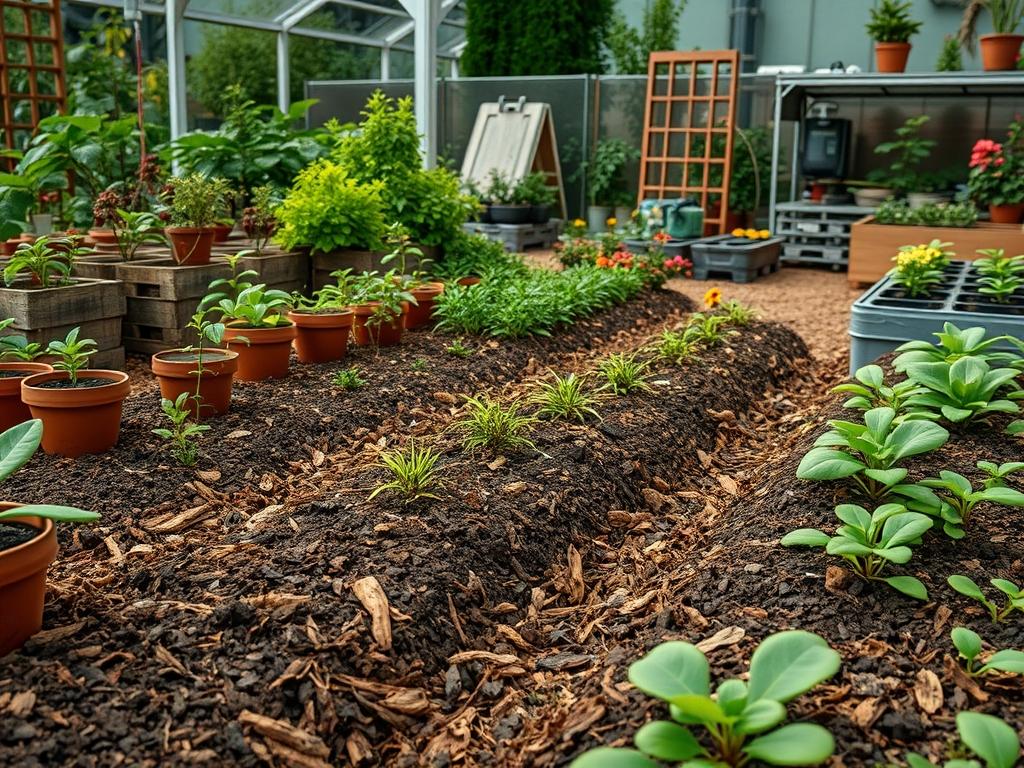
Selecting the right ground cover affects everything from curb appeal to the health of the subterranean ecosystem. In high-wind environments or on steep slopes, the buoyant nature of pine bark can present significant challenges. Conversely, in garden beds where soil compaction is a concern, the airy structure of Pine Bark Nuggets provides a necessary buffer that allows the soil to breathe. The deep, rich browns and reds of the bark offer a naturalistic texture that complements contemporary and traditional architecture alike. It creates a professional finish that signals a well-maintained property. We must evaluate these benefits against the potential for washouts during heavy rain cycles, which can lead to clogged Drainage Grates and messy Walkways. A successful landscape plan integrates these variables, ensuring the mulch enhances the design rather than causing an ongoing maintenance headache.
Landscape Design Principles
In the realm of professional landscape architecture, mulch is the connective tissue of the garden. It establishes the negative space that allows focal points, such as a multi-stemmed Japanese Maple or a sculptural Basalt Fountain, to command attention. Using pine bark mulch effectively requires an adherence to the principle of visual balance. Because bark comes in various grades—from fine fines to large nuggets—the choice of texture must scale with the size of the planting bed. Large Pine Bark Nuggets provide a bold, rugged texture suitable for expansive woodland borders or large-scale commercial installations. In contrast, Pine Bark Mini-Nuggets or shredded varieties offer a refined look that works well in intimate courtyard spaces or small foundation plantings.
Symmetry and layering also play vital roles in the implementation. We often use mulch to define the clean, crisp lines of an Edging Trench, which separates the manicured turf from the ornamental beds. This physical separation is not just for aesthetics; it prevents invasive grass species from encroaching on delicate root zones. Elevation layers also benefit from the use of pine bark. When creating tiered garden beds with Retaining Walls, the mulch acts as the top finishing layer that hides Irrigation Tubing and ensures uniform moisture distribution across different levels. Proper planning allows for the integration of Drip Irrigation systems directly beneath the mulch layer, which maximizes water efficiency by reducing evaporation.
Plant and Material Selection
Choosing the right flora to pair with your mulch is essential for a thriving landscape. Pine bark is naturally acidic, which makes it an ideal companion for plants that thrive in lower pH environments. The following table outlines several species that harmonize well with the chemical and physical properties of pine bark.
| Plant Type | Sun Exposure | Soil Needs | Water Demand | Growth Speed | Maintenance Level |
| :— | :— | :— | :— | :— | :— |
| Azalea | Partial Shade | Acidic, Well-drained | Moderate | Medium | Moderate |
| Blueberry Bush | Full Sun | Highly Acidic, Peat-rich | High | Medium | High |
| Hosta | Shade | Moist, Loamy | Moderate | Fast | Low |
| Gardenia | Full Sun to Part | Acidic, Nutritious | High | Medium | High |
| Japanese Boxwood | Full Sun to Part | Neutral to Acidic | Low | Slow | Low |
| Rhododendron | Partial Shade | Rich, Acidic | Moderate | Slow | Moderate |
Implementation Strategy
The successful application of pine bark mulch begins with meticulous site preparation. First, the area must be cleared of all existing weeds and debris. Using a Hula Hoe or a Spade, technicians should clear the soil surface to ensure direct contact between the organic material and the earth. If the site has history with aggressive weeds, a layer of Landscape Fabric may be considered, though many professionals prefer skip this to allow the bark to decompose and enrich the soil naturally.
Once the area is clear, check the Grading. Soil should slope away from the foundation of the home at a rate of at least two percent to prevent water pooling. Once the grade is established, the mulch can be distributed. Using a Metal Rake, spread the bark to a consistent depth of 3 inches. This measurement is critical; anything thinner will fail to suppress weeds or retain moisture, while anything deeper can suffocate the soil and promote fungal pathogens. Around the base of trees and shrubs, practitioners should use a “donut” technique, leaving a small gap between the mulch and the primary trunk. This prevents bark rot and discourages rodents from nesting against the plant. Finally, use a Power Edger or a manual Edging Iron to create a deep “V” trench at the perimeter of the bed. This creates a professional look and catches any mulch that might otherwise migrate onto the lawn.
Common Landscaping Failures
The most frequent mistake in using pine bark mulch is the phenomenon known as “mulch volcanoes.” This occurs when homeowners or inexperienced contractors pile mulch high against the trunks of trees. This practice traps moisture against the bark, leading to decay, pest infestation, and the growth of adventitious roots that can eventually girdle and kill the tree. Another common failure is ignoring the buoyancy of the material. In areas prone to flash flooding or at the base of Downspouts, pine bark nuggets will float and wash away. This results in wasted money and potentially clogged Drainage Basins. In these specific high-flow areas, a heavier material like River Rock or double-shredded hardwood should be used as a stabilizer.
Soil compaction is another silent killer in the landscape. While mulch helps prevent compaction from foot traffic, the initial installation must be done carefully. Walking over freshly tilled soil while spreading mulch can crush the pore spaces needed for oxygen and water movement. Furthermore, if a landscape designer fails to account for the nitrogen tie-up that occurs as fresh wood chips decompose, the plants may show signs of yellowing. While pine bark has a lower wood-to-bark ratio than other mulches, it is still wise to monitor nitrogen levels and supplement with a balanced Slow-Release Fertilizer if necessary.
Seasonal Maintenance
Landscape management is a year-round commitment. In the spring, the primary goal is rejuvenation. As the ground thaws, use a Garden Fork to lightly turn the existing mulch. This breaks up any “matting” caused by fungal mycelium, which can create a water-repellent layer on the surface. If the color has faded due to UV exposure, a thin top-dressing of 1 inch of fresh bark can restore the aesthetic without over-bulking the beds.
Throughout the summer, the focus shifts to moisture retention. During periods of extreme heat, check the depth of the mulch to ensure it hasn’t settled too thin. Irrigation schedules should be adjusted to account for the mulch layer; water must penetrate the bark to reach the root zone. In autumn, the mulch serves as an insulator. Before the first hard frost, ensure that all delicate perennials are well-mulched to protect their crowns from the freeze-thaw cycle. Winter is the time for observation. Note where wind or snowmelt has displaced the bark, as these will be the priority areas for correction during the spring rollout.
Professional Landscaping FAQ
How often should I replace pine bark mulch?
Typically, you should top-dress your garden beds every twelve to eighteen months. While the bark decomposes slower than shredded hardwood, it will eventually lose its color and structural integrity due to UV exposure and microbial activity.
Does using pine bark mulch attract termites?
Pine bark is not a preferred food source for termites compared to solid wood or stumps. However, any mulch provides the moist, cool environment termites enjoy. Keep mulch 6 inches away from your home’s wood siding or foundation.
Will pine bark significantly change my soil pH?
While pine bark is acidic, its effect on deep soil pH is generally localized and gradual. It is ideal for acid-loving plants, but for neutral-soil plants, the change is rarely drastic enough to cause health issues in the short term.
What is the best way to stop mulch from washing away?
Avoid using large nuggets on slopes or near drainage outlets. Instead, use a fine-shredded version which “knits” together better. Installing a sturdy Aluminum Edging or a Stone Border can also help contain the material during heavy rains.
Can I put fresh mulch over old mulch?
Yes, as long as the total depth does not exceed 3 to 4 inches. If the old mulch has become a hard, hydrophobic crust, you must rake and break it up before adding a new layer to ensure water penetration.