
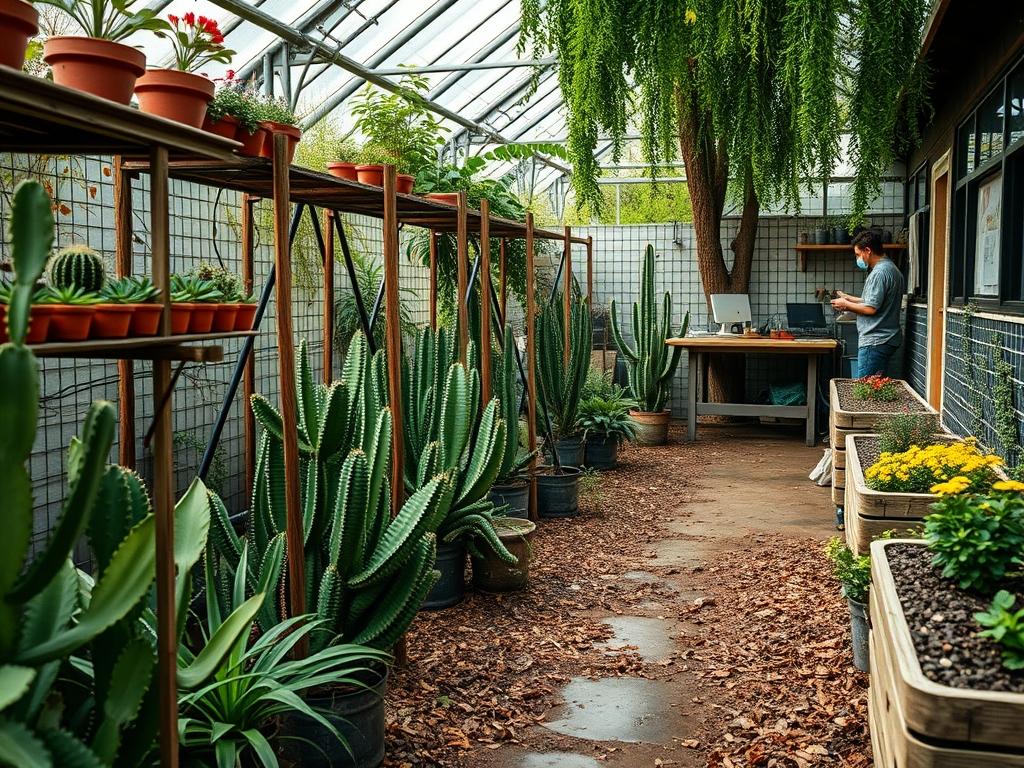
Establishing a secure perimeter while maintaining an aesthetic connection to the local environment requires a strategic shift from traditional hardscaping to biological engineering. The concept of a living barrier, specifically a Native Cactus Fence Design, offers an architectural solution that balances residential security with ecological sensitivity. In arid and semi-arid climates, where water conservation is a primary driver of landscape design, utilizing xeric species provides a low maintenance alternative to wood or wrought iron. A well executed cactus fence acts as a formidable deterrent due to its structural density and formidable spines, yet it remains attractive to look at throughout the year. Beyond mere protection, these installations serve as carbon sinks and habitats for local pollinators, aligning the homeowner’s security needs with the broader goal of environmental stewardship. By integrating these plants into a cohesive outdoor environment, designers can enhance curb appeal while creating a functional “no climb” zone that feels like a natural extension of the desert floor.
Landscape Design Principles
When conceptualizing a Native Cactus Fence Design, symmetry and focal points play a vital role in ensuring the barrier does not appear haphazard or neglected. A professional landscape architect views the perimeter not just as a line, but as a tiered composition. To achieve visual balance, designers often employ the rule of thirds, placing taller specimen plants like the Mexican Fence Post Cactus at key structural intervals to act as vertical anchors. These focal points draw the eye upward, breaking the monotony of a long horizontal boundary and providing a sense of rhythm to the property line.
Elevation layers are equally critical in a protective landscape. By creating a slight berm or a raised retaining wall of roughly 12 to 18 inches, you can increase the effective height of the cacti while simultaneously improving essential drainage. This tiered approach allows for “layering” of security. For example, a low row of spreading Prickly Pear can be positioned in front of a taller row of columnar species. This configuration creates a deep, impenetrable thicket that is impossible to traverse.
Walkways and transition zones must be planned with a clear “buffer” in mind. A minimum clearance of 36 inches between a pedestrian path and the cactus fence is necessary to prevent accidental contact with spines. Designers often use high contrast materials, such as light colored decomposed granite or river rock, to demarcate these boundaries. This not only serves a safety function but also creates a clean, architectural line that highlights the sculptural form of the plants. Irrigation planning should be discreet, utilizing subterranean drip emitters that deliver water directly to the root zone without creating surface moisture that might encourage weed growth or fungal issues.
Plant and Material Selection
| Plant Type | Sun Exposure | Soil Needs | Water Demand | Growth Speed | Maintenance Level |
| :— | :— | :— | :— | :— | :— |
| Mexican Fence Post | Full Sun | Well-Drained | Low | Moderate | Low |
| Prickly Pear (Opuntia) | Full Sun | Sandy/Rocky | Very Low | Fast | Medium |
| Organ Pipe Cactus | Full Sun | Gritty Loam | Low | Slow | Low |
| Silver Torch Cactus | Partial/Full | Porous | Low | Moderate | Low |
| Jumping Cholla | Full Sun | Any (Well-Drained) | Very Low | Fast | Very Low |
| Ocotillo (Accent) | Full Sun | Rocky/Lean | Low | Moderate | Low |
Implementation Strategy
The successful installation of a Native Cactus Fence Design begins with rigorous site preparation. For a residential backyard, the first step is a professional grading plan. The land must fall away from the home at a slope of at least 2 percent to ensure that heavy seasonal rains do not pool at the base of the cactus roots. Once the grade is established, a trench roughly 24 inches wide and 18 inches deep should be excavated along the intended fence line. If the native soil is heavy clay, it must be amended with a 50/50 mix of coarse sand and perlite to facilitate rapid drainage.
Security is improved by the technique of “staggered planting.” Instead of a single straight line, place the cacti in a “W” pattern. This creates a thicker physical mass that prevents gaps from forming as the plants mature. For columnar species like the Mexican Fence Post, use a spirit level to ensure each specimen is perfectly vertical during the backfill process. Firm the soil by hand rather than treading on it with boots, as over-compacting the soil can damage the delicate fibrous roots of young cacti.
Once planted, the application of a 3-inch layer of inorganic mulch is essential. Using crushed volcanic rock or gravel instead of wood chips prevents the retention of excessive moisture around the crown, which is the primary cause of rot. Edging materials, such as weathering steel or concrete curbing, should be installed to keep the rock mulch contained and provide a crisp finish to the landscape. Finally, if the design includes a gate, ensure the cacti are set back far enough to allow for the full swing of the hardware without clipping the plant limbs.
Common Landscaping Failures
The most frequent error in cactus fence design is insufficient drainage. Cacti can survive extreme heat and drought, but they will perish quickly in standing water. When a landscape is designed without considering the “basin effect,” water collects in the planting holes, leading to root rot. To fix this, always check the percolation rate of the soil before planting. If water sits in a test hole for more than 4 hours, an underground French drain or additional drainage tile must be installed.
Another failure involves improper spacing. Homeowners often want an instant fence, so they plant specimens too close together. As the plants grow, they compete for nutrients and light, causing the lower sections to “cork” or turn brown and brittle. This overcrowding also makes maintenance impossible, as there is no room to reach in and remove wind-blown debris or weeds. A minimum of 18 to 24 inches between the centers of columnar cacti is a professional standard for long term health.
Finally, many fail to account for the weight of mature cacti. A large Saguaro or a massive cluster of Prickly Pear can weigh hundreds of pounds. If the soil is too loose or the slope is too steep without a retaining wall, the entire living fence can topple during a high wind event or heavy rain. Ensuring that the structural soil is stabilized with crushed stone helps anchor these heavy biolayers effectively.
Seasonal Maintenance
Seasonal care for a Native Cactus Fence Design differs significantly from traditional lawn care. In the spring, focus on fertilization and inspection. Apply a low nitrogen, high phosphorus water soluble fertilizer at half strength as the growing season begins. This encourages structural strength rather than rapid, “soft” growth which is more susceptible to pests. Inspect the base of the plants for any signs of scale or mealybugs, which can be treated with a targeted application of neem oil.
During the summer months, irrigation should be adjusted based on heat intensity. While these plants are drought tolerant, a deep soak once every 14 to 21 days during the hottest weeks will keep the plants turgid and vibrant. Avoid overhead watering, as water trapped in the “ribs” of a cactus can lead to sunburn or fungal spotting under intense UV rays.
In autumn, reduce watering significantly to allow the plants to harden off for the cooler months. This is the ideal time for minor pruning. Using long handled loppers and heavy duty leather gloves, remove any damaged limbs or sections that are encroaching on walkways. Ensure that any “pads” removed from Prickly Pear are disposed of properly, as they can easily take root where they fall.
Winter maintenance is primarily about protection and dormancy. In areas where temperatures drop below 25 degrees Fahrenheit, some species may require a temporary covering of frost cloth. Do not use plastic, as it traps moisture. Most importantly, withhold all supplemental water during the winter. The cacti should be allowed to shrivel slightly, which increases the concentration of salts in their cells and acts as a natural antifreeze.
Professional Landscaping FAQ
How long does it take for a cactus fence to provide full security?
Depending on the species and the size at planting, a functional barrier usually takes 3 to 5 years to reach a height and density that provides significant physical protection and privacy for the property.
Can I integrate lighting into a native cactus fence?
Yes, uplighting with low voltage LED fixtures is highly effective. Positioning lights at the base of columnar cacti highlights their texture and architectural form at night, while also providing an added layer of security through perimeter illumination.
What is the best way to handle weeds within the cactus line?
A thick layer of rock mulch is the first line of defense. For stubborn weeds, use long reach tweezers or a specialized hoe to avoid the spines. Avoid broadleaf herbicides that could drift onto the cactus.
Are cactus fences safe for households with pets?
While cacti are excellent deterrents, they possess sharp spines. High traffic areas for pets should be separated from the cactus fence using a secondary, soft barrier or a significant gravel buffer zone to prevent accidental injury to animals.
Do native cactus fences require a permit?
Generally, living fences are not subject to the same height restrictions as wood or masonry walls. However, you should always check your local HOA guidelines or city ordinances regarding “prohibited vegetation” or “sight line” requirements for corner lots.