
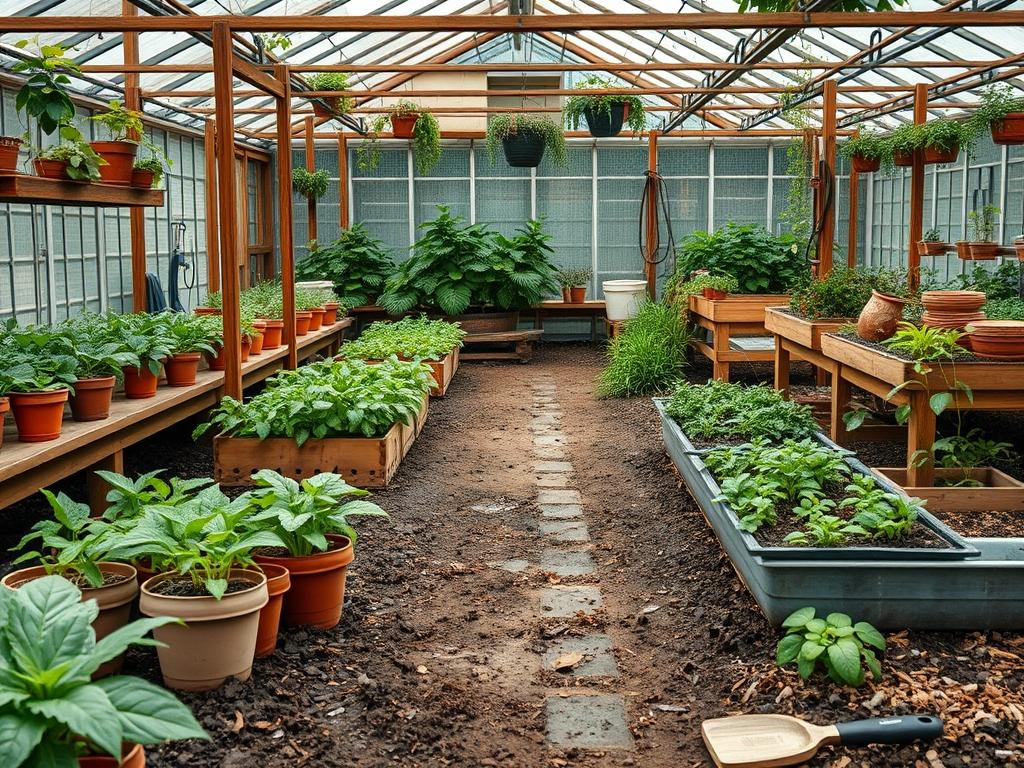
The pursuit of a refined landscape requires more than an eye for aesthetics; it demands a deep understanding of material longevity and environmental synergy. High-end landscape architecture often focuses on the immediate impact of hardscaping and ornamental plantings, yet the long-term viability of these spaces depends on the meticulous maintenance of the instruments used to shape them. Traditional methods, particularly the use of animal fats like tallow, have resurfaced as vital components in sustainable garden management. In a climate where humidity and shifting temperatures accelerate the oxidation of metal and the degradation of wooden handles, tallow serves as a superior, biodegradable moisture barrier. Integrating such traditional materials into a modern landscape strategy ensures that the functional aspects of the garden remain as pristine as the visual elements.
Strategic outdoor planning involves a delicate balance between curb appeal and utilitarian performance. A well-designed garden must account for the local microclimate while providing a seamless transition from the built environment to the natural world. When we specify expensive carbon steel tools or complex irrigation systems, we are making an investment in the land. Protecting that investment via using tallow in the garden provides a non-toxic alternative to petroleum-based lubricants. This material is not only effective for tool preservation but can also be utilized as a physical pest barrier for specimen trees, particularly when protecting against climbing insects that threaten the structural integrity of the canopy. By viewing tool care as an extension of the landscaping process, the architect ensures that every cut made during pruning and every hole dug for a retaining wall is executed with precision and efficiency.
Landscape Design Principles
Achieving a sophisticated garden layout requires a commitment to structural symmetry and the careful manipulation of elevation. A primary design goal is to create focal points that draw the eye toward specific transitions, such as the line where a flagstone walkway meets a lush perennial border. This visual balance is often reinforced through the use of hedges or low-profile walls that define specific outdoor rooms. When planning these spaces, the architect must consider the vertical layers of the environment, placing taller species at the rear to create a backdrop while using ground covers to soften the edges of hard surfaces.
Irrigation planning is equally critical to the design process. A professional landscape incorporates hidden drip lines and drainage basins to ensure that water is directed away from the building’s foundation and toward the root zones where it is needed most. Without proper grading, even the most beautiful design will suffer from stagnant water and root rot. Furthermore, the physical effort required to maintain these elevations and walkways relies on sharp, well-maintained tools. Applying a thin layer of tallow to the metal surfaces of shovels and trowels reduces friction when working through heavy clay soils, allowing for cleaner edges and more accurate execution of the design plan.
Plant and Material Selection
Selecting the appropriate flora is a technical exercise that involves matching the physiological needs of the plant with the specific conditions of the site. The following table highlights key species often utilized in high-performance landscape designs:
| Plant Type | Sun Exposure | Soil Needs | Water Demand | Growth Speed | Maintenance Level |
| :— | :— | :— | :— | :— | :— |
| Boxwood (Buxus) | Full Sun to Shade | Well-Drained | Moderate | Slow | High (Pruning) |
| Japanese Maple | Partial Shade | Rich, Acidic | High | Slow to Med | Moderate |
| Lavender | Full Sun | Sandy/Gritty | Low | Medium | Low |
| Switchgrass | Full Sun | Adaptable | Low | Fast | Low |
| Oakleaf Hydrangea | Partial Sun | Moist, Loamy | Moderate | Medium | Medium |
| Creeping Thyme | Full Sun | Well-Drained | Low | Medium | Low |
Implementation Strategy
The transition from a blueprint to a living landscape involves a sequence of heavy modifications to the earth. Initial grading is the most vital step; it involves moving soil to create a 2 percent slope away from structures, ensuring that runoff follows a predetermined path toward French drains or rain gardens. Once the skeleton of the landscape is established, hardscaping elements like natural stone pavers and timber retaining walls are installed. These features provide the necessary structural support for tiered garden beds and prevent soil erosion on steep elevations.
Following the structural phase, soil preparation begins. This involves tilling in organic matter and ensuring the pH balance is suited for the selected plant palette. When digging deep trenches for irrigation pipes, the use of tallow-coated spades prevents heavy soil from clinging to the blade, which significantly reduces the physical strain on the labor crew. After the plants are positioned according to the density requirements of the design, a 3 inch layer of hardwood mulch is applied. This mulch serves multiple purposes: it suppresses weed growth, retains moisture, and provides a polished finish to the garden beds. Finally, any specialized pruning tools used to shape the new growth should be treated with tallow to prevent the transmission of pathogens between plants, as the fat creates a protective seal that is easily wiped clean.
Common Landscaping Failures
One of the most frequent mistakes in residential landscaping is the neglect of subsurface drainage. Homeowners often focus on the surface beauty, failing to realize that water trapped beneath the soil can drown native plants and cause the collapse of stone walls. Soil compaction is another silent killer; when heavy equipment is used during construction without a plan for aeration, the resulting soil becomes as dense as concrete, preventing root penetration and water absorption.
Root overcrowding also presents a significant challenge. Architects must plan for the “mature spread” of a species rather than its size at the time of purchase. Planting a willow tree too close to a sewage line or an Oak too close to a house foundation results in expensive structural damage years down the line. Additionally, many fail to recognize the importance of tool hygiene. Using rusty or dull pruners creates jagged wounds on branches, which are open invitations for fungal infections and wood-boring insects. Traditional tallow-based maintenance prevents this by keeping the blades slick and sharp, ensuring that every cut is a “clean” surgical strike that the plant can callus over quickly.
Seasonal Maintenance
Landscape management is a cyclical process that evolves with the weather. In the spring, the focus is on “awakening” the garden: removing winter debris, inspecting irrigation heads, and applying pre-emergent weed control. This is the primary window for heavy pruning, where tallow-treated bypass shears are essential for managing the vigorous new growth of shrubs and ornamental trees.
As summer approaches, the priority shifts to moisture management and pest control. Grease bands made of tallow mixed with a bit of grit can be applied to the base of fruit trees to stop crawling insects like earwigs and ants from reaching the fruit. Autumn is the season for soil fortification and bulb planting; it is a time to add compost and prepare the garden for dormancy. Finally, winter is the most critical time for tool preservation. Before storing rakes, hoes, and saws for the season, they should be cleaned of all dirt and coated heavily in tallow. This prevents the winter humidity from pitting the metal and keeps wooden handles from cracking in the dry, cold air.
Professional Landscaping FAQ
How does tallow compare to synthetic lubricants for tools?
Tallow is a superior biodegradable option that will not contaminate the soil with petroleum byproducts. It provides a natural moisture barrier on carbon steel and conditions wooden handles, preventing the brittleness often caused by synthetic chemical exposure.
Can tallow be used to protect plants from pests?
Yes, it is effectively used in “grease banding.” Applying a ring of tallow around a tree trunk creates a sticky, impassable barrier for wingless female moths and other climbing insects, protecting the foliage without the use of toxic pesticides.
What is the best way to apply tallow to garden equipment?
After cleaning the tool with a wire brush, warm a small amount of tallow until it reaches a soft consistency. Use a cotton rag to rub a thin, even coat over all metal surfaces and wooden handles before storage.
Is tallow safe for use near vegetable gardens?
Unlike industrial greases, tallow is a rendered animal fat that is non-toxic and food-safe. It poses no risk to the soil health or the safety of edible crops, making it ideal for maintaining hand trowels used in vegetable beds.
How often should I reapply tallow to my landscaping tools?
For tools in daily use, a light coating should be applied once a week. For long-term storage during the winter, a thicker layer is necessary to ensure the metal remains completely isolated from oxygen and moisture throughout the season.