
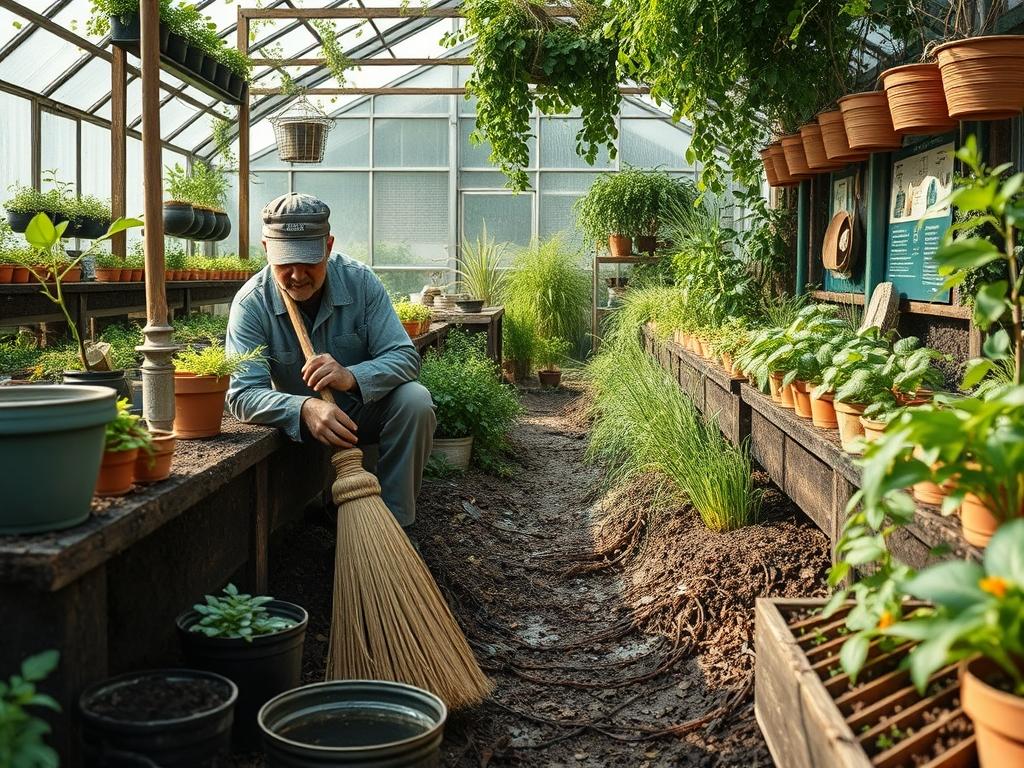
Integrating a functional craft garden into a residential landscape requires a sophisticated balance between utilitarian production and aesthetic harmony. Traditional broom making relies on specific botanical structures, primarily the stiff architectural plumes of broomcorn and the flexible twigs of birch or willow. From a landscape architecture perspective, the challenge lies in managing the height and density of these species without compromising the property’s curb appeal or structural integrity. A well ordered craft landscape does more than provide raw materials; it establishes seasonal interest, defines outdoor rooms, and utilizes elevation to manage drainage. Property owners must view these plants not just as agricultural crops but as structural elements that contribute to the overall spatial hierarchy of the site.
When planning for these materials, climate considerations are paramount. Most broom making plants require significant solar exposure and well drained soil to reach their full structural potential. In many regions, the transition from a traditional lawn to a craft focused garden involves significant site preparation, including the adjustment of soil pH and the installation of professional grade irrigation systems. By treating these functional plants as part of a cohesive design language, we can ensure that the garden serves the needs of the artisan while remaining a beautiful, value adding component of the residential environment.
Landscape Design Principles
Successful landscape design for traditional broom making materials rests on the principles of verticality and layers. Sorghum bicolor, commonly known as broomcorn, can reach heights of ten feet or more. In a professional design, these should be placed at the rear of the planting bed to serve as a seasonal screen or living wall. This creates a backdrop for lower elevation shrubs and perennials, ensuring that the garden feels full rather than cluttered. Symmetry can be achieved by flanking a central walkway with matched stands of tall fibers, creating a formal entrance to a craft annex or backyard studio.
Focal points are essential to prevent a utility garden from looking overgrown. For instance, a specimen Betula pendula (Silver Birch) provides a stately anchor for a corner, while its lower branches offer fine twigs for whisk brooms. Irrigation planning must account for the varying water demands of these species. While broomcorn is relatively drought tolerant once established, willow varieties used for handles or coarse rinds require consistent moisture. Utilizing retaining walls and tiered planters allows for the segregation of these microclimates, ensuring each plant thrives without overcompensating the entire zone. Furthermore, walkways should be constructed with a minimum width of 36 inches to allow for easy harvesting and movement of tools like a wheelbarrow or garden cart.
Plant and Material Selection
| Plant Type | Sun Exposure | Soil Needs | Water Demand | Growth Speed | Maintenance Level |
| :— | :— | :— | :— | :— | :— |
| Sorghum bicolor | Full Sun | Well-drained Loam | Medium | Fast | Moderate |
| Salix viminalis | Full to Partial Sun | Moist/Heavy Clay | High | Very Fast | High |
| Betula pendula | Full Sun | Acidic/Sandy | Medium | Moderate | Low |
| Cytisus scoparius | Full Sun | Poor/Sandy | Low | Moderate | Low |
| Miscanthus sinensis | Full Sun | Versatile | Medium | Moderate | Low |
Implementation Strategy
The transition from a design on paper to a physical landscape begins with professional grading. To ensure proper drainage, the site should have a minimum slope of two percent away from any residential structures. This prevents the accumulation of water around the root zones of Sorghum bicolor, which can lead to fungal issues in the fiber heads. Once the grade is established, define the garden beds using metal edging or stone pavers. This creates a crisp line between the functional craft area and the manicured turf, which is vital for maintaining curb appeal.
Next, address the soil composition. Most fiber producing plants benefit from a rich, organic base. Incorporate three inches of compost into the top six inches of soil using a power tiller. For paths, use a base of crushed stone topped with decomposed granite to provide a stable, permeable surface for foot traffic. When planting, pay close attention to the spacing requirements; broomcorn needs roughly 8 to 12 inches between stalks to allow for adequate airflow. Once the plants are in the ground, apply a wood chip mulch at a depth of three inches to suppress weeds and retain consistent soil temperature. This layer also protects the delicate root systems from the impact of heavy rain.
Common Landscaping Failures
One of the most frequent errors in craft gardening is improper drainage. When tall grasses or woody shrubs are planted in low lying areas without adequate runoff, the roots become suffocated, leading to stunted growth and inferior fiber quality. Another common failure is root overcrowding. Gardeners often plant too many seeds in a small area hoping for a larger harvest, but this result is thin, brittle stalks that lack the tensile strength required for broom making. Professional spacing is non-negotiable for producing high grade materials.
Soil compaction is another significant hurdle. Heavy foot traffic directly on the planting beds compresses the soil, destroying the air pockets necessary for root respiration. This is why the installation of hardscape paths or stepping stones is a critical part of the initial landscape plan. Additionally, many property owners fail to account for the weight of the plants when they reach maturity. Tall broomcorn stalks can lodge or fall over in high winds if they are not properly supported or sheltered by a windbreak. Finally, poor irrigation management, specifically overhead watering, can cause moisture to trap in the broom heads, leading to mold and discoloration before the harvest can occur.
Seasonal Maintenance
The management of a broom making landscape is a year-round commitment that changes with the seasons. In the Spring, the focus is on soil preparation and new growth. This is the time to apply a balanced, slow release fertilizer and to inspect irrigation lines for any leaks or clogs. Pruning of woody species like willow or birch should be completed before the sap rises to encourage the straight, flexible growth needed for broom components.
In the Summer, maintenance shifts to moisture management and pest control. During periods of extreme heat, deep watering at the base of the plants is necessary to prevent stress. Thinning of the broomcorn stands ensures that only the strongest stalks remain, concentrating the plant’s energy into producing high quality fibers. As Autumn arrives, the focus turns to the harvest. Materials must be cut when the seed heads are fully developed but before they become overly dry and brittle. This is also the time for site cleanup, removing spent stalks and refreshing the mulch layers to prepare for the dormant season. During Winter, the landscape architecture is revealed in its skeletal form. This is the period for planning structural changes, repairing trellises, and sharpening pruning shears and loppers for the upcoming cycle.
Professional Landscaping FAQ
How much space is needed for a broom making garden?
A functional area of 200 square feet can provide enough material for several brooms annually. However, larger plots are recommended if you intend to use the plants as a significant visual element or screening for privacy within your landscape.
Can I grow broomcorn in a small urban backyard?
Yes, broomcorn can be integrated into small spaces by using it as a vertical accent in corner beds. Ensure the location receives at least eight hours of direct sunlight and use landscape edging to prevent it from encroaching on other zones.
What is the best way to prevent tall stalks from falling?
Planting in blocks rather than single rows allows the plants to support each other. For high wind areas, installing a decorative post and rail fence or using bamboo stakes with garden twine provides the necessary structural reinforcement.
Will these plants attract unwanted pests to my home?
Like any garden, these species can attract insects. However, maintaining proper airflow through correct spacing and removing debris significantly reduces pest pressure. Using native plants as a border can also encourage beneficial predatory insects to balance the ecosystem.
How do I manage the high water needs of willow?
Install a dedicated drip irrigation zone for thirsty species. Planting them near a natural low point or using a rain barrel system to supplement their water supply ensures they thrive without wasting resources on the rest of the landscape.