
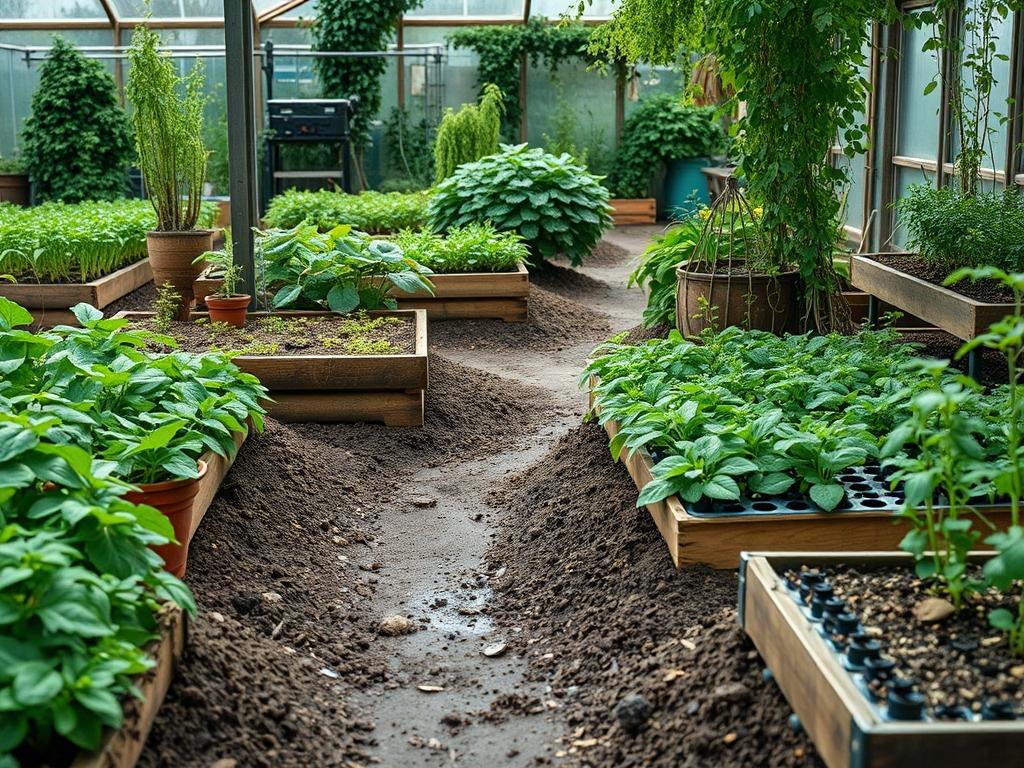
The structural integrity of a high-end residential landscape depends entirely on the biological health of its living components. While many homeowners and developers focus primarily on the aesthetics of Natural Stone Pavers or the clean lines of Retaining Walls, the actual vitality of the foliage determines whether a property feels like a lush sanctuary or a neglected construction site. One of the most significant challenges in modern landscaping is maintaining soil fertility without relying on synthetic chemicals that can leach into local watersheds or damage the delicate subterranean ecosystem. This is where the strategic application of organic amendments becomes vital. Using Alfalfa Mulch has emerged as a professional-grade secret for landscape architects who require rapid growth, deep green pigmentation, and long-term soil structure improvement.
Alfalfa is a legume that possesses a unique ability to pull nitrogen from the atmosphere and store it within its tissues. When this plant material is harvested, processed, and applied to garden beds, it acts as a slow-release fertilizer that feeds both the plants and the beneficial microbes in the soil. Beyond the standard macro-nutrients, alfalfa contains a naturally occurring growth stimulant known as triacontanol. This fatty alcohol significantly boosts the metabolic rate of surrounding plants, encouraging vigorous root development and helping specimens recover from the shock of transplantation. For a landscape architect, this means that a newly installed Boxwood hedge or a focal Japanese Maple will establish itself far more quickly, closing gaps in the design and providing the immediate curb appeal that clients expect.
Achieving a balance between outdoor functionality and aesthetic beauty requires a deep understanding of how organic matter interacts with different microclimates. Whether you are managing an expansive backyard in a humid coastal region or a refined terrace in a semi-arid climate, the goal remains the same: creating a resilient environment that requires minimal corrective intervention. Using Alfalfa Mulch provides a dual benefit by suppressing weeds and retaining moisture while simultaneously decomposing to improve soil tilth. This process prevents the soil from becoming hydrophobic or excessively compacted, two common issues that lead to drainage failures and plant decline in urban settings.
Landscape Design Principles
A successful landscape design is grounded in the concepts of symmetry, focal points, and elevation layers. When I approach a new site, I look first at the existing topography to determine how we can create visual interest through varying heights. This is often achieved by installing raised beds or using Timber Edging to define different zones. Symmetry does not necessarily mean an exact mirror image, but rather a balance of visual weight across the space. For example, a massive Oak Tree on one side of a property can be balanced by a cluster of Ornamental Grasses and a well-placed Stone Bench on the other.
Focal points are the anchors of the garden. They draw the eye and provide a sense of purpose to the layout. To ensure these focal points remain vibrant, the soil surrounding them must be exceptionally rich. Using Alfalfa Mulch around a central Sculpture or a specimen Rose Bush provides the necessary nitrogen surge to keep the foliage dense and the blooms frequent. Furthermore, irrigation planning must be integrated into the initial design phase. We utilize Drip Irrigation systems hidden beneath the mulch layer to ensure water reaches the root zones directly, reducing evaporation and preventing the foliage diseases often associated with overhead watering. Walkways should be wide enough for two people to walk side-by-side, typically 4 feet to 5 feet in width, and should lead the viewer through these different elevation layers with a sense of discovery.
Plant and Material Selection
| Plant Type | Sun Exposure | Soil Needs | Water Demand | Growth Speed | Maintenance Level |
| :— | :— | :— | :— | :— | :— |
| Hydrangeas | Partial Shade | Loamy, Rich | High | Fast | Moderate |
| Boxwood | Full to Partial | Well-Drained | Moderate | Slow | Low |
| Hostas | Full Shade | Organically Rich | Moderate | Medium | Low |
| English Roses| Full Sun | High Nitrogen | High | Fast | High |
| Fountain Grass| Full Sun | Sandy/Loamy | Low | Fast | Low |
| Daylilies | Full Sun | Versatile | Low | Fast | Very Low |
| Lavender | Full Sun | Grit/Well-Drained | Very Low | Medium | Low |
Implementation Strategy
Planning a garden layout requires a systematic approach to ensure the hardscape and softscape work in harmony. The first step in any implementation is professional grading. We use Transits and Grade Stakes to ensure the land slopes away from the home at a minimum of 2 percent. This prevents moisture from pooling near the foundation, which can cause significant structural damage over time. Once the grade is established, we mark the boundaries of the garden beds using Landscape Marking Paint.
Next, we address soil preparation. For high-performance beds, we blend the existing soil with Compost and Aged Manure. This is the stage where Using Alfalfa Mulch becomes a tactical advantage. By incorporating Alfalfa Pellets or shredded Alfalfa Hay into the top 6 inches of soil, we kickstart the microbial activity. After the plants are positioned and the Irrigation Lines are tested, we apply a finishing layer of alfalfa mulch. For a professional finish, the mulch should be applied at a depth of 3 inches, tapering off as it approaches the base of any tree or shrub. This “donut” method prevents bark rot while still providing the thermal insulation and nitrogen boost necessary for the root system. Finally, installing Metal Edging or Stone Borders provides a crisp line that separates the manicured beds from the lawn, enhancing the overall professional appearance of the project.
Common Landscaping Failures
One of the most frequent mistakes I encounter in residential landscapes is improper drainage planning. When water cannot escape the root zone, it displaces oxygen, leading to anaerobic conditions and root rot. Many homeowners try to solve this by adding more soil, but without a clear path for runoff, such as a French Drain or a Dry Well, the problem only intensifies. Soil compaction is another silent killer of high-end landscapes. Heavy foot traffic or the use of heavy machinery during construction crushes the pore spaces in the soil, making it impossible for roots to expand. Using Alfalfa Mulch can actually help mitigate this over time as earthworms are drawn to the alfalfa, tunneling through the soil and naturally aerating it.
Root overcrowding is another common failure, often caused by a desire for “instant” privacy. When Emerald Green Arborvitae or other screening plants are spaced too closely, they compete for the same limited pool of nitrogen and water. Within three to five years, the internal branches begin to die back due to lack of light and airflow, creating a patchy and diseased hedge. Lastly, many people fail to account for the eventual height and width of a plant. A tree that looks perfect in a 5-gallon pot at the nursery may eventually reach a 20-foot spread, potentially damaging Roof Gutters or lifting up Concrete Walkways.
Seasonal Maintenance
Landscape management is a year-round commitment that changes with the cycles of the environment. In the spring, the focus is on rejuvenation. This is the optimal time for Using Alfalfa Mulch to provide that initial nitrogen surge as plants break dormancy. We clear away any winter debris, prune dead wood from Deciduous Trees, and check all Irrigation Timers.
During the summer, the priority shifts to moisture retention and stress management. We monitor the depth of the mulch and replenish areas where it has thinned. If we notice yellowing leaves on heavy feeders like Roses, an additional application of Alfalfa Tea can provide a quick nutrient pick-up. Autumn is for preparation and planting. The soil is still warm, which is ideal for root growth. We apply a fresh layer of mulch to insulate the roots against the coming frost. Finally, in winter, we focus on protection. We use Burlap Wraps for sensitive evergreens and take the time to sharpen Pruning Shears and service Mowers. This cyclical approach ensures the landscape remains an asset rather than a liability.
Professional Landscaping FAQ
How often should I apply alfalfa mulch to my garden beds?
Apply a fresh layer of Alfalfa Mulch at least twice a year. The best times are early spring to support new growth and late autumn to protect soil and provide slow-release nutrients throughout the dormant winter season.
Can using alfalfa mulch attract unwanted pests or rodents?
While alfalfa can occasionally attract rabbits, proper application minimizes risks. Use Aged Alfalfa Pellets rather than fresh hay to reduce seed content, and ensure the mulch is spread evenly to avoid creating nesting sites for small rodents.
Is alfalfa mulch safe for all types of ornamental plants?
Yes, it is generally safe and highly beneficial. However, for acid-loving plants like Azaleas or Blueberries, monitor the soil pH. Alfalfa is relatively neutral but its high nutrient density may occasionally require balancing with acidic amendments.
How does alfalfa compare to standard wood chip mulch?
Wood chips primarily provide weed suppression and moisture retention but can temporarily tie up nitrogen. Using Alfalfa Mulch provides those same benefits while actively contributing a significant nitrogen boost and growth stimulants to the soil.
Do I need special tools to apply alfalfa pellets or hay?
No specialized equipment is required. You can distribute the material by hand or using a standard Seed Spreader for pellets. A simple Garden Rake is sufficient to level the mulch to the desired 3-inch depth.