
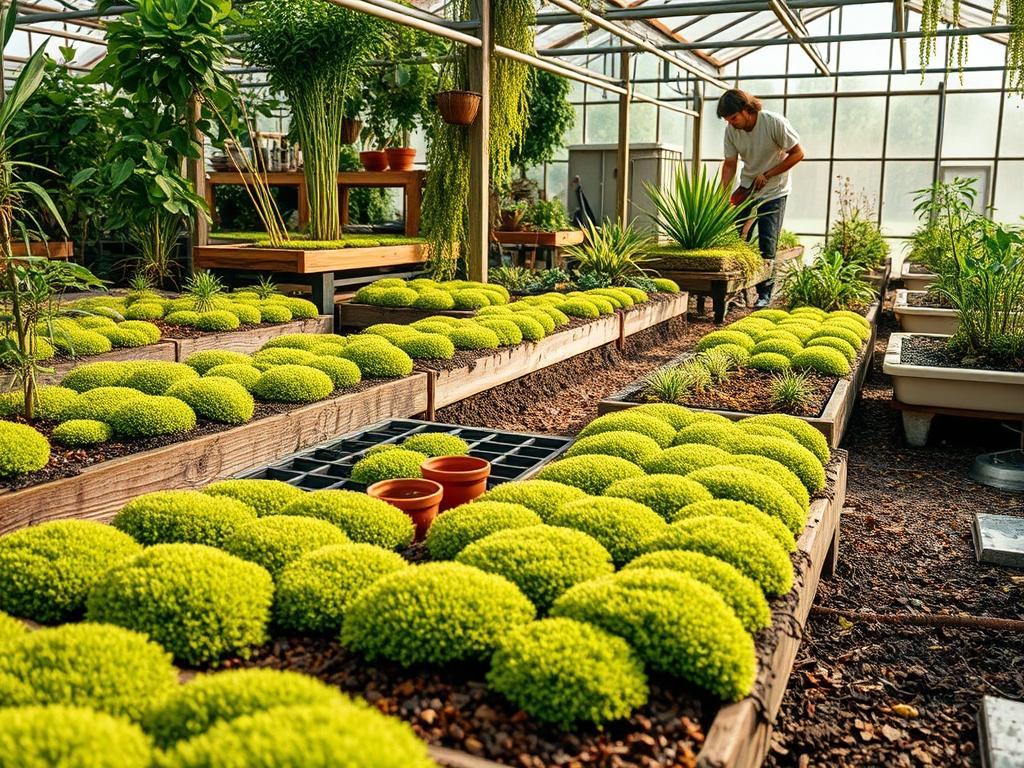
The quest for a vibrant, low maintenance landscape often leads homeowners and designers toward a frustrating battle against shade and acidic soil. In many temperate regions, traditional turfgrass fails to thrive under the dense canopy of ancient oaks or in the damp recesses of north-facing slopes. This is where native moss gardening offers a sophisticated, ecologically sound solution. By embracing the velvet texture and deep emerald hues of these non vascular plants, we can transform problematic shadowy patches into resilient, high impact outdoor environments. A well designed moss garden enhances curb appeal by providing a timeless, forest floor aesthetic that looks established from the moment of installation. Beyond the visual allure, moss serves a functional purpose by stabilizing the soil and offering high moisture retention without the necessity of chemical fertilizers or intensive mowing.
When we approach a site from an architectural perspective, we must view moss as more than just a groundcover. It is a biological carpet that defines the negative space between larger structural elements. In areas where the climate provides consistent humidity, moss can become the dominant feature of a landscape design. It offers a unique tactile quality that softens the harsh lines of modern architecture and integrates seamlessly with the surrounding natural ecosystem. For the homeowner, the primary goal is often the creation of a sanctuary. Moss facilitates this by dampening acoustic vibrations, creating a quiet, contemplative atmosphere that is nearly impossible to achieve with hardscapes alone.
Landscape Design Principles
Integrating native moss into a broader landscape plan requires a keen eye for visual balance and an understanding of site specific conditions. Unlike a traditional lawn, which demands perfect flatness for mechanical mowing, a moss garden thrives on undulating terrain. We use elevation changes to our advantage by creating small mounds or “hummocks” that mimic the natural rise and fall of a woodland floor. By varying the height of the substrate, we create microclimates that allow different species of moss to coexist. Basalt Boulders and Granite Fieldstones serve as essential focal points within these green expanses, providing the necessary contrast in texture and color.
Symmetry in moss gardening is rarely the goal. Instead, we aim for a naturalistic, asymmetrical balance. We might place a grouping of Fern Moss near a stone water feature to emphasize its moisture loving nature, while using the more upright Haircap Moss to transition into taller shrub layers. Walkways are a critical component of the design. Because most mosses cannot withstand heavy, repetitive foot traffic, we install Flagstone or Pennsylvania Bluestone steppers. These paths should be laid out in a winding, organic fashion to encourage a slower pace through the garden. To ensure the longevity of the design, irrigation planning is paramount. We often specify a dedicated Mist System or a series of low volume Micro-Sprays to maintain the high humidity levels moss requires during dry spells.
Plant and Material Selection
| Plant Type | Sun Exposure | Soil Needs | Water Demand | Growth Speed | Maintenance Level |
| :— | :— | :— | :— | :— | :— |
| Sheet Moss (Hypnum) | Full Shade to Part Shade | Acidic, Compacted | Moderate | Fast | Low |
| Mood Moss (Dicranum) | Deep Shade | Consistent Moisture | High | Slow | Medium |
| Haircap Moss (Polytrichum) | Part Sun to Shade | Sandy, Well-Drained | Moderate | Medium | Low |
| Fern Moss (Thuidium) | Shade to Dapple Sun | Rich, Organic | High | Moderate | Medium |
| Cushion Moss (Leucobryum) | Part Shade | Sandy, Poor Soil | Low | Very Slow | High |
Implementation Strategy
Starting a native moss garden begins with meticulous site preparation. First, we must remove all existing competing vegetation. This includes grass, weeds, and invasive groundcovers that might choke out the slower growing bryophytes. Once the area is clear, we evaluate the grading. Moss requires a stable base, but it also needs a surface that does not allow water to pool for extended periods. We use a Garden Rake to smooth the soil and a Manual Tamper to create a firm, compacted surface. Unlike most plants, moss does not have true roots; it anchors itself via rhizoids. Therefore, loose, fluffy soil is actually a detriment to successful establishment.
After the ground is firmed, we test the pH levels. Most native mosses prefer an acidic environment, typically between 5.0 and 5.5. If the soil is too alkaline, a light application of Elemental Sulfur can help lower the pH over time. For the planting process, we utilize two primary methods: transplanting whole “carpets” or using the fragmenting technique. When laying whole sections of moss, it is vital to press them firmly into the soil to eliminate air pockets. We often use a Smooth Hand Roller or even our own body weight to ensure total contact. For larger areas or steep slopes, we may use Landscape Staples to secure the moss until it anchors itself naturally. Once the layout is complete, we apply a thin layer of Finely Shredded Bark Mulch only at the edges of the moss beds to define the transition and help retain moisture at the perimeter.
Common Landscaping Failures
The most frequent mistake in moss gardening is improper drainage management. While moss loves moisture, it is highly susceptible to rot if it sits in stagnant water. We must ensure that the transition between the moss and any Hardscaping allows for a clear exit path for heavy rainfall. Another common failure is the lack of debris management. Falling leaves and twigs are the primary enemies of a healthy moss colony. If left to decay on top of the moss, they will block the light and trap excessive heat, leading to fungal brown patches. We always recommend using a Soft Bristle Broom or a low power Leaf Blower to keep the surface clear.
Root overcrowding is another issue, though not from the moss itself. When we plant moss under shallow rooted trees like beeches or maples, the tree roots can sometimes heave the soil, causing the moss to lose contact with its substrate. Proper spacing of supplemental plantings is essential to avoid this competition. Additionally, soil compaction is generally good for moss, but excessive compaction from foot traffic will eventually crush the delicate leaf structures. Finally, irrigation inefficiencies often kill new moss gardens. A standard lawn sprinkler that produces large, heavy droplets can actually dislodge moss fragments. We insist on using misting heads that deliver a fine fog, mimicking the natural dew that mosses utilize for hydration.
Seasonal Maintenance
Seasonal care for a moss garden is markedly different from traditional turf maintenance. In the spring, we focus on cleaning and repair. As the ground thaws, moss may “heave” away from the soil. We walk the beds and press any loose sections back into place. This is also the best time for patch repair, using small sections of moss taken from a dedicated “nursery” area to fill in gaps. Throughout the summer, the primary challenge is heat and drought stress. During hot spells, a brief, three minute misting in the early morning and late evening can prevent the moss from going into a dormant, brown state.
When autumn arrives, the workload shifts toward leaf removal. This is the most labor intensive part of moss gardening. We must clear the beds weekly to ensure the moss receives enough light during its peak growing season in the late fall. In winter, most native mosses remain evergreen, providing a stunning contrast against the snow or bare wood. We avoid using salt or chemical deicers near moss beds, as the runoff will be fatal to the plants. If a heavy freeze is predicted after a rainstorm, it is best to leave the moss undisturbed, as walking on frozen moss can shatter the frozen cells within the leaves.
Professional Landscaping FAQ
How much sunlight can native moss tolerate?
Most native mosses, such as Mood Moss, require deep to dappled shade. However, Haircap Moss can tolerate significant morning sun if the soil remains consistently moist. Generally, if you can grow healthy fescue, the site may be too sunny for moss.
Is it possible to walk on a moss garden?
Occasional light foot traffic is acceptable, but moss should not be used as a high traffic path. We recommend installing Flagstones or Cedar Planks for regular access. This protects the moss cushions from crushing and maintains the uniform appearance of the bed.
How often does a moss garden need watering?
During the establishment phase, moss requires daily misting to keep the surface damp. Once established, it can survive periods of drought by going dormant. However, for a lush green look, a three minute misting every two days is usually sufficient.
What kind of soil preparation is required?
Unlike flowers, moss needs compacted, nutrient poor soil with an acidic pH. You should remove all weeds and loose organic debris. Use a Hand Tamper to create a firm surface, ensuring the moss has direct contact with the mineral soil.
Do I need to fertilize my moss?
No, moss does not require traditional fertilizers and can actually be harmed by them. High nitrogen levels encourage weed growth that competes with the moss. If growth seems stunted, a light application of Diluted Buttermilk is an old professional secret for boosting acidity.