
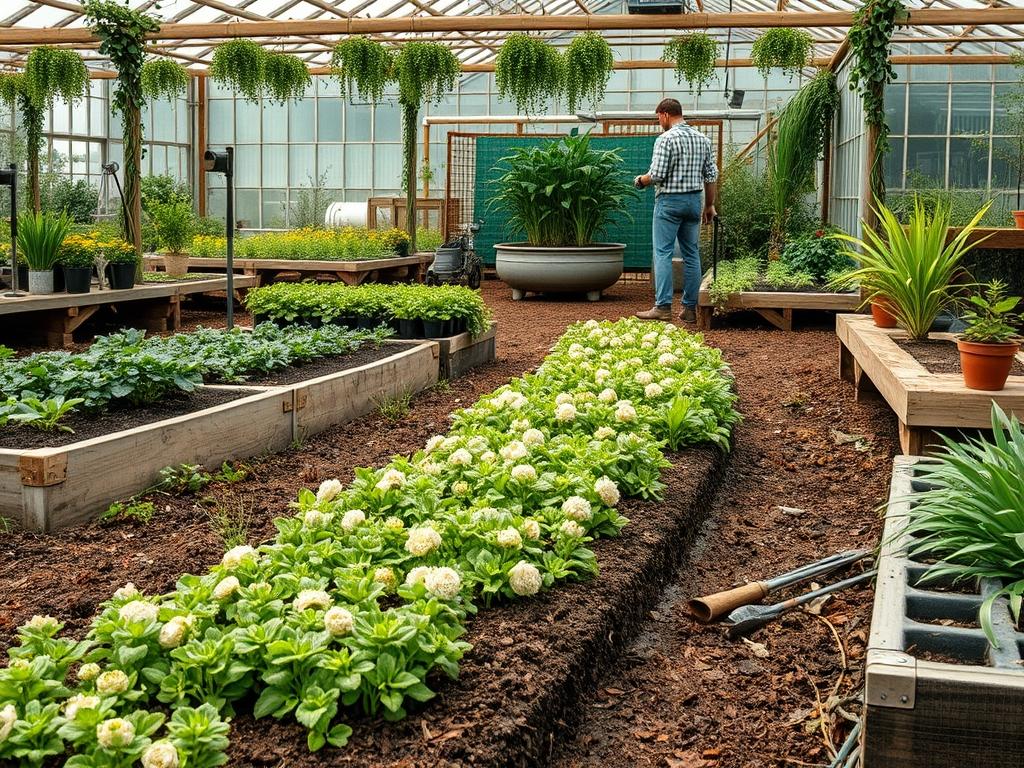
High-performance landscaping requires more than aesthetic appeal; it necessitates a sophisticated understanding of soil thermodynamics and moisture management. In the context of berry production, gardeners often struggle with the dual challenges of shallow root systems and high water demands. Traditional wool mulching, an ancient technique revitalized for modern sustainable estates, offers a high-utility solution to these issues. By utilizing raw wool fleece, landscape architects can create a self-sustaining nutrient cycle that enhances the structural integrity of the soil while providing a unique, tactile visual element. This approach aligns with modern outdoor functionality goals by reducing the carbon footprint associated with plastic-based weed barriers and decreasing the frequency of required irrigation.
Integrating raw fleece into a landscape design serves several purposes beyond simple weed suppression. The natural properties of wool fibers, including high keratin and lanolin content, act as a slow-release fertilizer and a moisture regulator. For clients looking to balance curb appeal with productive garden spaces, wool provides a neutral, organic texture that complements the architectural lines of modern garden beds. It creates a professional finish that transitions smoothly between the wilder elements of a forest garden and the structured precision of a formal patio or walkway.
Landscape Design Principles
In professional landscape architecture, every element must contribute to the overall symmetry and visual balance of the site. When planning a berry garden utilizing traditional wool mulching, designers must consider the focal points of the outdoor space. Berry shrubs, such as Blueberries or Raspberries, often serve as mid-level elevation layers that bridge the gap between low-lying groundcovers and taller fruit trees. The application of raw wool at the base of these plants provides a distinct color contrast that draws the eye downward, grounding the vertical growth of the shrubs.
Irrigation planning is another critical design principle. Because wool is highly absorbent, it can store up to 40 percent of its weight in water, which then percolates slowly into the root zone. This allows for more discreet irrigation layouts, such as sub-surface drip lines that remain hidden beneath the fleece. Furthermore, the use of wool mulch necessitates well-defined walkways and edging to prevent the fibers from migrating into lawn areas. Using natural stone or treated timber edging provides a crisp border that contains the wool while maintaining a sophisticated, high-end look. Visual balance is achieved by ensuring that the thickness of the mulch layer is consistent across the entire planting bed, preventing an uneven or neglected appearance.
Plant and Material Selection
| Plant Type | Sun Exposure | Soil Needs | Water Demand | Growth Speed | Maintenance Level |
| :— | :— | :— | :— | :— | :— |
| Blueberries | Full Sun | Acidic (pH 4.5-5.5) | High | Moderate | High |
| Strawberries | Full Sun | Well-drained Loam | Moderate | Fast | Low |
| Raspberries | Partial/Full Sun | Rich Organic Matter | High | Fast | Moderate |
| Blackberries | Full Sun | Heavy Loam | Moderate | Fast | Moderate |
| Currants | Partial Shade | Moist/Cool Soil | High | Moderate | Moderate |
| Raw Wool Fleece | N/A | High Nitrogen Source | Retains Moisture | N/A | Low |
Implementation Strategy
The successful implementation of traditional wool mulching begins with proper site grading and drainage. Before any fleece is laid, the soil surface must be leveled to ensure that water does not pool under the wool, which could lead to anaerobic conditions or root rot. Once the grading is complete, the landscape architect should oversee the installation of any hardscaping elements, such as retaining walls or stone paths, which define the boundaries of the berry patch.
To apply the wool, start by teasing out the raw fleece into manageable sections of approximately 2 to 4 inches in thickness. It is vital not to pack the wool too tightly; airflow is necessary for the biological breakdown of the fibers and for the health of the soil microbiome. Lay the wool around the base of the berries, leaving a 2-inch gap around the main crown or stem to prevent collar rot. Secure the wool using 6-inch metal landscape pins to ensure it remains in place during heavy winds. Historically, the best wool for this purpose is “skirtings” or “belly wool,” which is often discarded by the textile industry but contains high levels of nitrogen-rich organic matter. For a professional finish, the wool should be tucked neatly against the steel edging or cobblestone border of the garden bed.
Common Landscaping Failures
One of the most frequent mistakes in traditional wool mulching is ignoring the initial soil chemistry. While wool is an excellent source of nutrients, it is slightly alkaline as it begins to decompose. If a landscape consultant is working with acid-loving plants like Blueberries, they must monitor the soil pH closely and potentially supplement with elemental sulfur to counteract any fluctuations. Another failure involves improper spacing. Berries need significant air circulation to prevent fungal diseases; if the wool mulch is used to fill a space that is already overcrowded with plants, it can trap excess humidity and exacerbate mildew issues.
Irrigation inefficiencies are also common. While wool retains moisture, the surface can appear dry while the soil beneath is saturated. Landscape managers must use a moisture meter to determine actual irrigation needs rather than relying on visual cues. Additionally, failing to address soil compaction before laying the wool will limit the effectiveness of the mulch. If the ground is too hard, the wool will simply sit on top, and the beneficial lanolins and nitrogen will not penetrate deeper into the root zone where they are needed most.
Seasonal Maintenance
Seasonal management of a wool-mulched berry garden is straightforward but requires consistency. In the spring, the primary task is to inspect the wool depth. Over the winter, the fibers will have compressed and started to break down. Adding a fresh layer of 1 to 2 inches of raw fleece will replenish the barrier and provide a boost of nitrogen for the coming growing season. This is also the time to check the integrity of landscape pins and ensure that no nesting rodents have disturbed the mulch layer.
During the summer, the focus shifts to moisture monitoring. The wool acts as a powerful insulator, protecting roots from the peak heat of July and August. However, if the summer is particularly dry, a deep soaking once a week is usually more effective than frequent light watering, as the wool needs to be saturated for the moisture to reach the soil. In autumn, as the berries go dormant, the wool can be lightly worked into the top layer of soil with a garden fork if it has significantly degraded. This incorporates organic matter into the ground for the winter. Finally, in the winter months, the wool serves as a frost blanket, protecting the sensitive root crowns of Strawberries and Raspberries from the freeze-thaw cycles that can heave plants out of the ground.
Professional Landscaping FAQ
How often should raw wool mulch be replaced in a berry patch?
Typically, you should top dress the wool every spring. The bottom layer will naturally decompose into the soil over 12 to 18 months, providing a continuous supply of nitrogen and improving soil structure without the need for total removal.
Does raw wool fleece attract pests or rodents for nesting?
While wool is a natural material, the residual lanolin and the coarse texture of raw fleece act as a deterrent for many slugs and snails. To discourage rodents, ensure the wool is not piled too thickly against plant stems or structural foundations.
Is it necessary to wash the wool before using it as mulch?
No, you should use “greasy” or raw wool. The unwashed fleece contains lanolin and sheep manure, both of which are highly beneficial for the soil. Washing the wool removes the very nutrients that make it an effective fertilizer for berries.
Can I use wool mulch on a sloped landscape?
Yes, but you must secure it more aggressively. The interlocking fibers of wool naturally cling together, making it better for slopes than wood chips. Use 8-inch landscape staples spaced every 12 inches to prevent the mulch from sliding.
Does wool mulch have a strong odor in the garden?
Raw wool has a mild, earthy scent when first applied. However, after the first few rains and exposure to the sun, the scent dissipates almost entirely. It is far less pungent than commercial manures or certain dyed wood mulches.